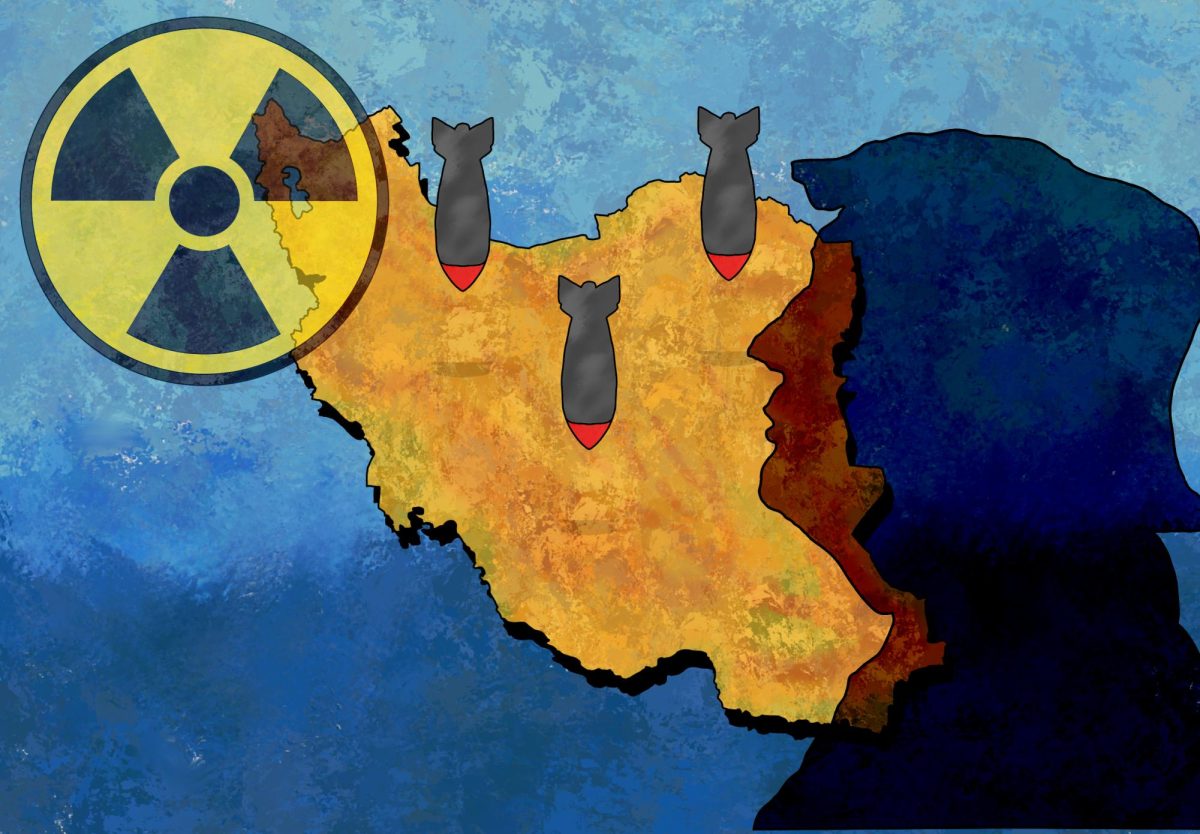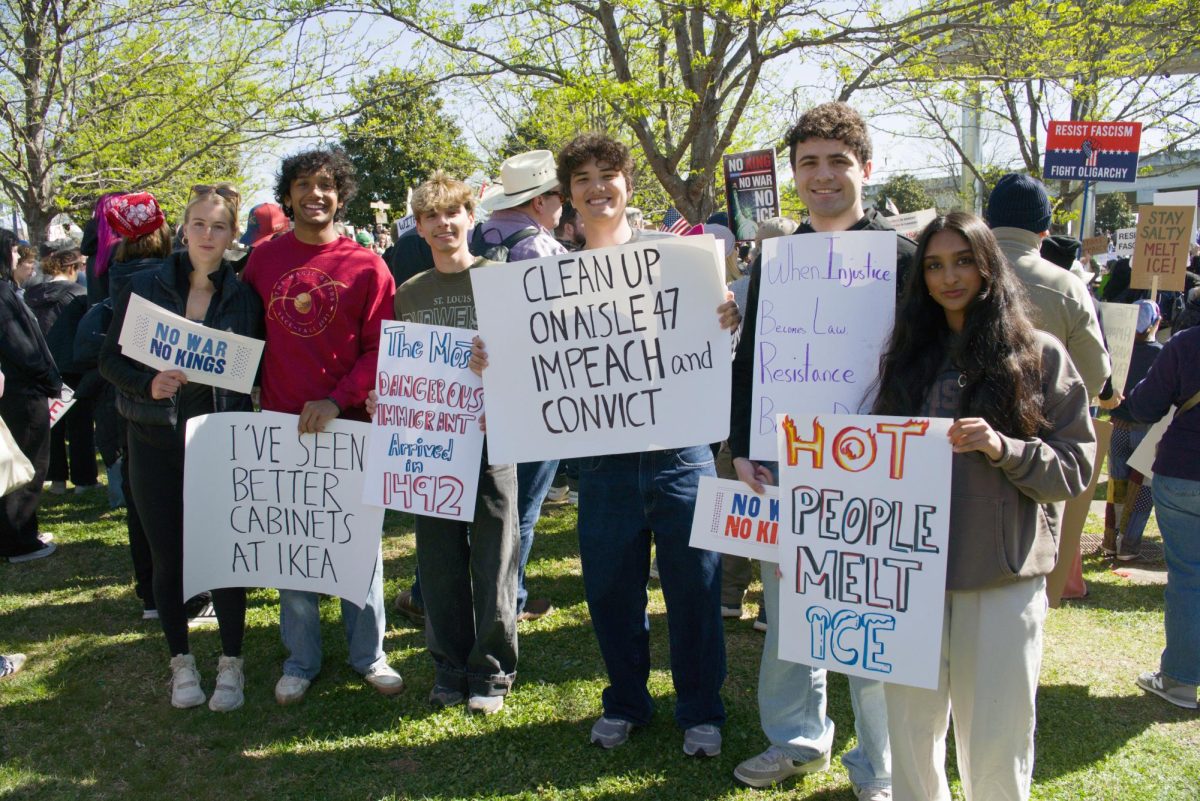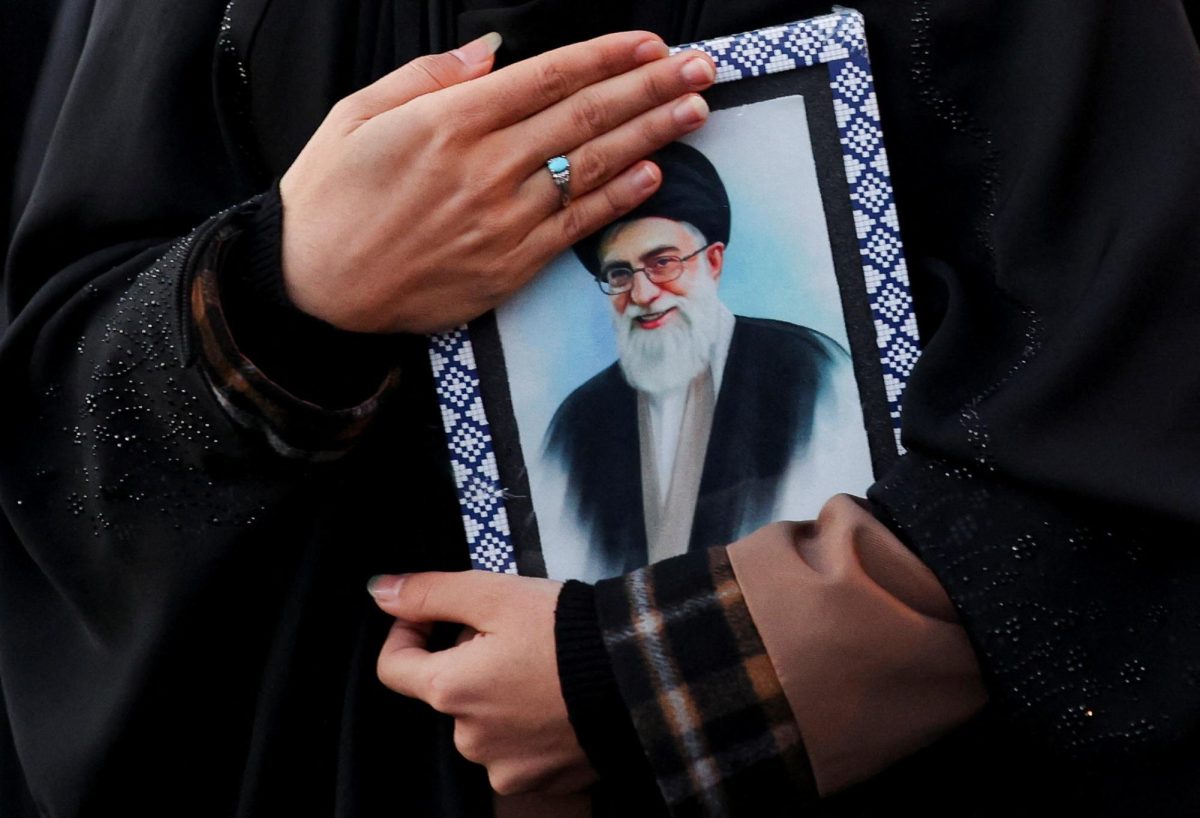
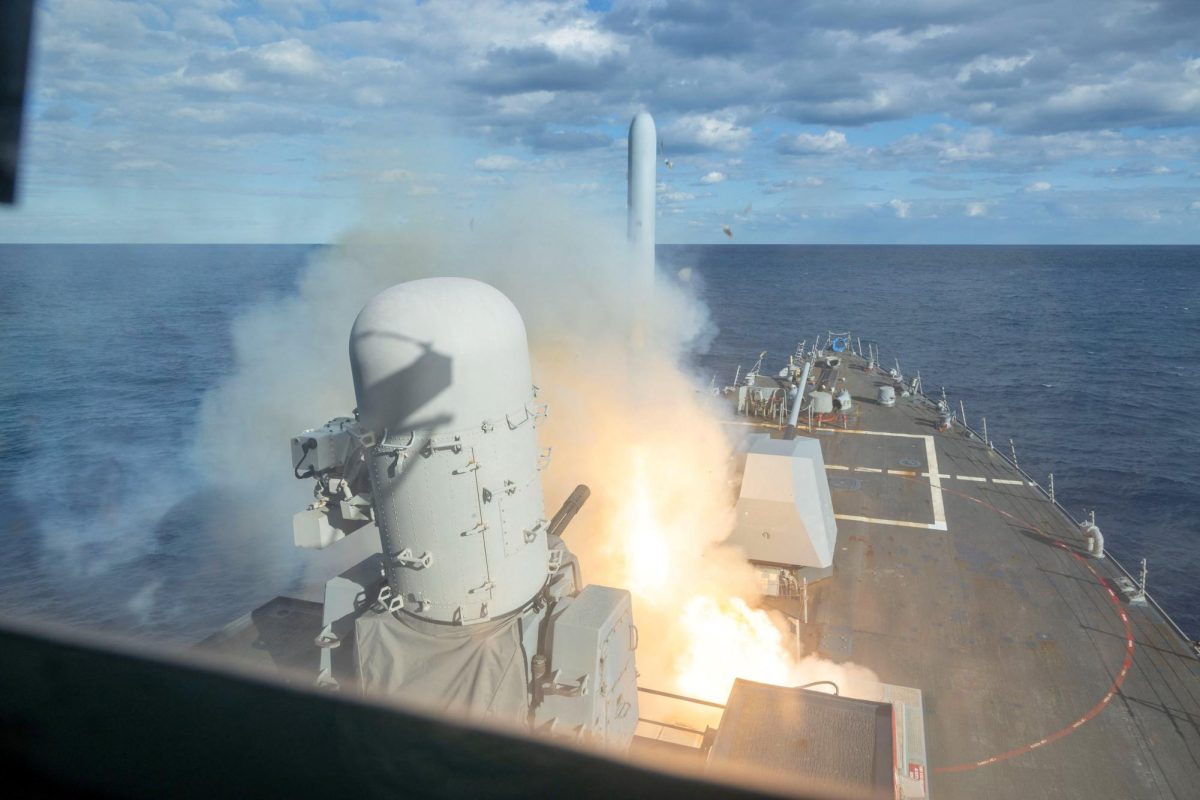


The United States, working in conjunction with the Israeli military, launched an attack on Iran dubbed operation “Epic Fury” Feb. 26. The war has seen six U.S. soldiers and nearly 800 Iranians killed, including Iran’s reigning Supreme Leader for 36 years, Ayatollah Ali Khamenei.
President Donald Trump confirmed this news via a post on X, which has since been removed.
“Khamenei, one of the most evil people in History, is dead. This is not only Justice for the people of Iran, but for all Great Americans, and those people from many Countries throughout the World, that have been killed or mutilated by Khamenei,” the post read.
In a March 1 interview with The New York Times, Trump said the assault may last weeks, though Congress has yet to officially declare war. The initial strikes on Iran have since evolved into a regional war, with attacks occurring throughout the Middle East in Kuwait, Lebanon and Jordon, among other nations. The death toll has amounted to 11 people in Israel and 8 across the Gulf states.
Sophomore Austin Frantz expressed optimism at the news of the U.S. strikes and Khamenei’s death.
“First impressions are that this is a really exciting thing for me and the Iranian people, that the Supreme Leader has been killed and that there’s a very high likelihood of a revolution,” Frantz said. “It’s definitely hard to know how the situation will unfold, and hopefully there’s not too many casualties along the way.”
Junior Ava Aria, co-president of the Vanderbilt Iranian Student Association, said her primary concern was for the safety of civilians caught in the crossfire.
“It’s a very complex and rapidly changing geopolitical situation, and obviously, involving many world leaders and governments, but at the end of the day, it’s affecting real people,” Aria said. “I lived part of my childhood in Iran, and I have family there, so my biggest concern, and what worries me the most, is [for] ordinary civilians who just want safety and stability.”
Sam Rahbin (B.S. ‘25) similarly expressed worries for the well-being of his family in Iran.
“I’m used to [seeing] this level of conflict, but this type of war with actual bombs being sent [to Iran] is always unsettling because I have a lot of family in Iran, and whenever this happens, we can’t get internet communication with them,” Rahbin said. “We don’t know how they’re doing, and life becomes harder. A lot of times schools shut down, and there’s bread shortages [in Iran]. It’s just a harder way of life for our family, and it’s always unsettling not knowing if they’re safe.”
In a message to The Hustler, Vanderbilt College Republicans affirmed the Trump Administration’s decision to intervene in Iran and expressed sympathy for the U.S. casualties.
“We support President Trump’s actions to put America first and to ensure that the American people and our allies are protected from the Iranian regime’s imminent threats and continued pursuit of nuclear capabilities. We extend our thoughts and prayers to the families of our brave service members who lost their lives. We pray for our troop’s safety and lasting peace in the Middle East,” the statement reads.
Political Science professor Katherine Carroll said she does not believe Khamenei’s death has quelled further mass violence.
“What is most significant to me is that there seems to be an underappreciation of the level of regime support in the Iranian population. And those supporting the regime are armed, while those contesting the regime are not,” Carroll said in a message to The Hustler. “What this means, I am afraid, is either more of the same regime (though perhaps as a face-saving outcome we will pretend that it has changed significantly) or perhaps civil war. The Iraq analogy is strong here, and so I worry.”
Carroll also described the potential implications for alliances in the Middle East.
“Oman’s position is going to be interesting here. We have put that key ally in a difficult spot. Oman is our traditional go-between for tension between Iran and the Kingdom of Saudi Arabia, and between us and Iran, and they are not happy,” Carroll said. “In the end, they are a small state with longstanding ties to both the US and Iran, so they will muddle through, but we have sent an unfortunate signal that we are unconcerned about both friends and enemies.”
Pouya Mehr (B.A. ‘23), a research assistant at Vanderbilt University Medical Center, expressed their frustration at those who have remained silent on the humanitarian crises in Iran in a message to The Hustler.
“I just want to emphasize that it has been deeply disheartening, infuriating and dehumanizing to witness progressive and leftist people in the West who have been rightfully vocal on social media and in person about other humanitarian causes in their respective countries and beyond be overwhelmingly silent on the massacres of the Iranian protesters at the hands of the Islamic republic regime last month and only start to care when Israel and the U.S. bomb Iran,” Mehr said
Mehr described this “selective activism” as “disingenuous” and also explained their hopes for the future of the conflict.
“I wish that all parties involved stop the bombardments and aggression immediately,” Mehr said. “As much as the people who support this war insist that the U.S. and Israel target the regime bases and government buildings exclusively, we see innocent people who might have actually been part of the protesters last month die as well along with innocent civilians in neighboring countries who have been injured and killed in a conflict they have never had any say in.”
Vanderbilt College Democrats did not immediately respond to a request for comment.