

The United States and Iran signed a memorandum of understanding June 15 for a ceasefire to end their months-long conflict.
The memorandum outlined a 60-day negotiating period to finalize provisions of the deal: the termination of military operations on “all fronts,” the reopening of the Strait of Hormuz without tolls for “60 days only,” an affirmation by Iran that it will not develop nuclear weapons, the termination of all U.S. sanctions on Iran, the release of frozen Iranian assets by the U.S. and a pledge of at least $300 billion for the “reconstruction and economic development of Iran” by the U.S. and its regional partners.
The entire deal is incredibly lopsided in favor of Iran. Iran gets sanctions lifted, assets released and $300 billion in what can only be considered reparations.
The deal does require Iran to reopen the Strait of Hormuz without tolls, but the strait was already open before the war, and now the memorandum opens the possibility of Iran charging tolls beyond the outlined 60-day period.
The deal also prevents Iran from developing nuclear weapons, but U.S. and international intelligence indicate that Iran had no plans to construct such weapons regardless. Looking back, the previous Joint Comprehensive Plan of Action, negotiated by the Obama administration but later rescinded during Trump’s first administration, already barred Iran from developing nuclear weapons and mandated international oversight to ensure Iran’s compliance.
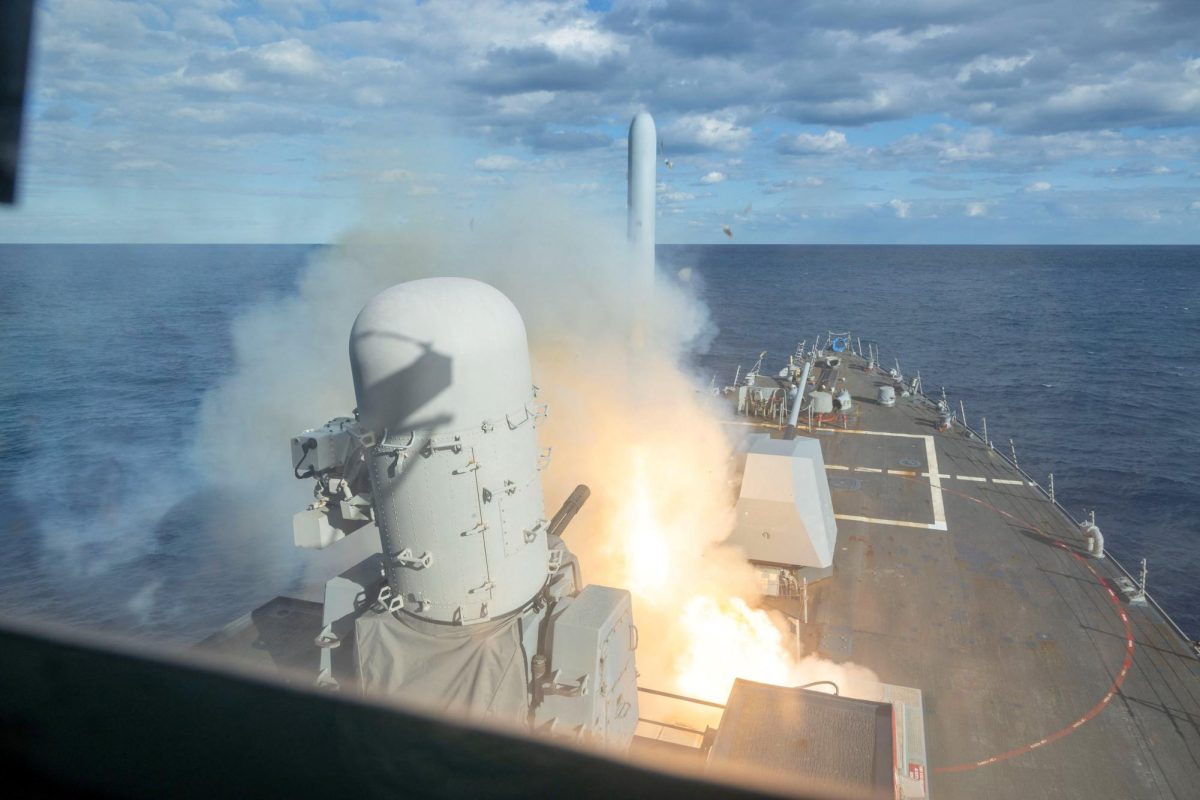
When the Iran War first began in late February 2026, President Donald Trump announced the war’s objective of “eliminating imminent threats from the Iranian regime.” Yet, while Iran’s military has been greatly weakened, it’s not irreparably broken, and Iran has gained immense geopolitical power, both with its influence over the Strait of Hormuz and by making its American-allied neighbors weary of hosting U.S. bases in the future for fear of being targeted by Iranian strikes.
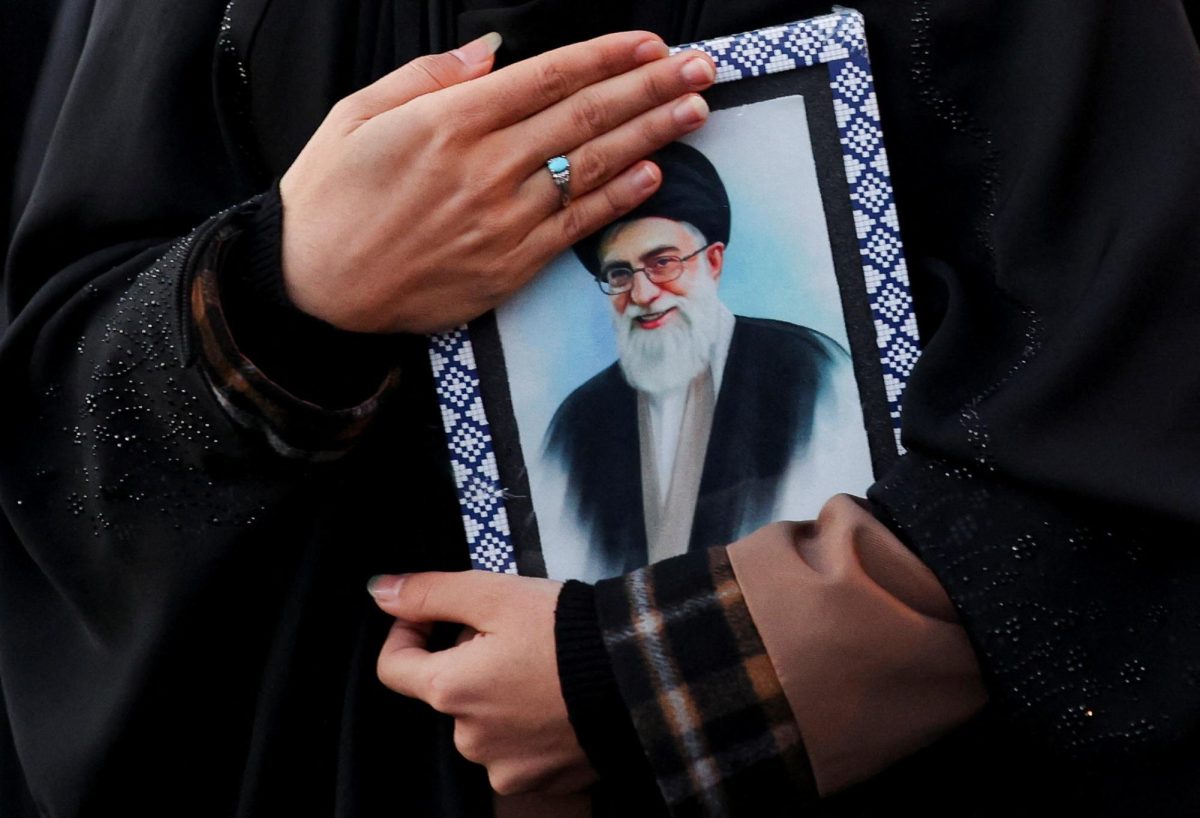
Further, while U.S.-Israeli strikes did assassinate former Supreme Leader of Iran Ali Khamenei, he was succeeded by his more hardline son, Mojtaba Khamenei, who holds closer ties to the extremist Islamic Revolutionary Guard Corps.
On all ends, this war was a loss for the United States: Americans gained absolutely nothing. The war did, however, claim over 7,000 lives and is estimated to have reduced global GDP by $2.2 trillion.
What came next? A messy and not credible ceasefire.
Trump has a history of failed negotiations in the Iran war. Past ceasefires would go through the process of being announced by Trump and then be cut short very quickly with military strikes by the U.S. or Israel violating the agreements.
Even the current memorandum faced difficulties, with ongoing Israeli attacks in Lebanon leading to Iran reneging on the deal and temporarily reclosing the Strait of Hormuz. However, Trump publicly and privately urged Israel to comply, enabling the negotiations for a permanent treaty to go on. Iran and the U.S. later resumed attacks, before both parties agreed to stand down.
As of the time of writing, talks are ongoing, with the Strait of Hormuz technically open but operating slowly.
Trump’s attitude toward Israel has shifted over time, as he now freely rebukes Israel. In the past, Trump and other presidents would temper any criticism of Israel’s actions. However, this rhetoric against Israel, and the urgency with which the administration now works toward a lasting deal with Iran, comes not out of a moral opposition to genocide and war, but out of fear of disaster.
The Strait of Hormuz is a crucial choke point in geopolitics, with around 20% of the world’s oil flowing through it during peacetime. Its closure has led to higher gas prices, with ripple effects around the economy leading to a spike in inflation. Yet, the situation could become much worse.
Since the Strait of Hormuz closed, the U.S. has been relying on strategic oil reserves to prevent prices from soaring too high. Yet as it expends those stockpiles, the fast decline in oil is beginning to cause major operational stress on facilities and supply chains, becoming untenable within months unless normal oil supply is regulated. Some facilities — such as the West Texas Intermediate oil facility — have already reached this condition.
Trump agreed to this deal not because he wanted peace, but because he had to. He even admitted that he signed the memorandum to avoid an “economic catastrophe.”
Trump got us into this ruinous war in Iran. His aggression got thousands, including hundreds of primary school girls in Iran, killed. He brought the world to the brink of economic collapse, which pressured him to agree to a memorandum on Iran’s terms. Only suffering and chaos came from this conflict. We lost this war, and we should never have waged it.
Foreign adventurism does not work. Our undeniable loss in Iran only proves this.
Americans aren’t new to these pointless assaults. From Vietnam to Afghanistan, American foreign policy has consisted of interventionism and nation-building around the globe for decades. Yet, people are sick of this endless warfare.
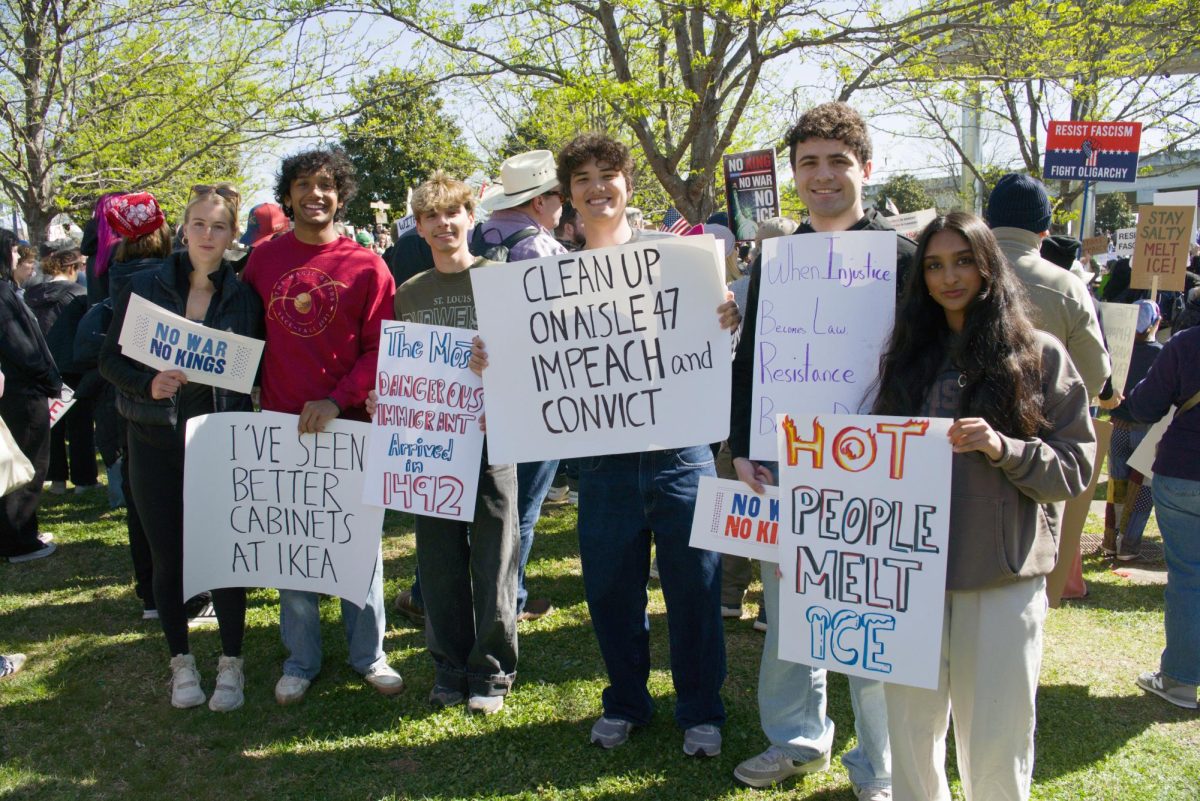
A Reuters/Ipsos poll showed that only 24% of Americans think the war in Iran was worth it. The same poll indicated that only 18% think the preliminary deal with Iran will lead to lasting peace. The deal has been controversial even among members of Trump’s own party, leading to the rare passage of a war powers resolution to urge an end to the war, although Republicans later reversed this vote under pressure from Trump.
Proponents of foreign intervention point out the atrocities committed by governments like Iran. But the answer to all our problems isn’t bombing them.
Bombing oppressed people doesn’t save them — it only radicalizes the suffering, which strengthens the extremist government. We saw this clearly with Iran installing a more extremist leader upon the Ayatollah’s assassination.
Iran’s government obviously should not be supported. But neither should these needless attacks on innocent civilians.
Iranian students at Vanderbilt noted these very fears upon the onset of the war. As Vanderbilt Iranian Student Association President Ava Aria said, the ordinary civilians in Iran “just want safety and stability.” These wars have real human costs, and they rarely lead to positive outcomes in the long run.
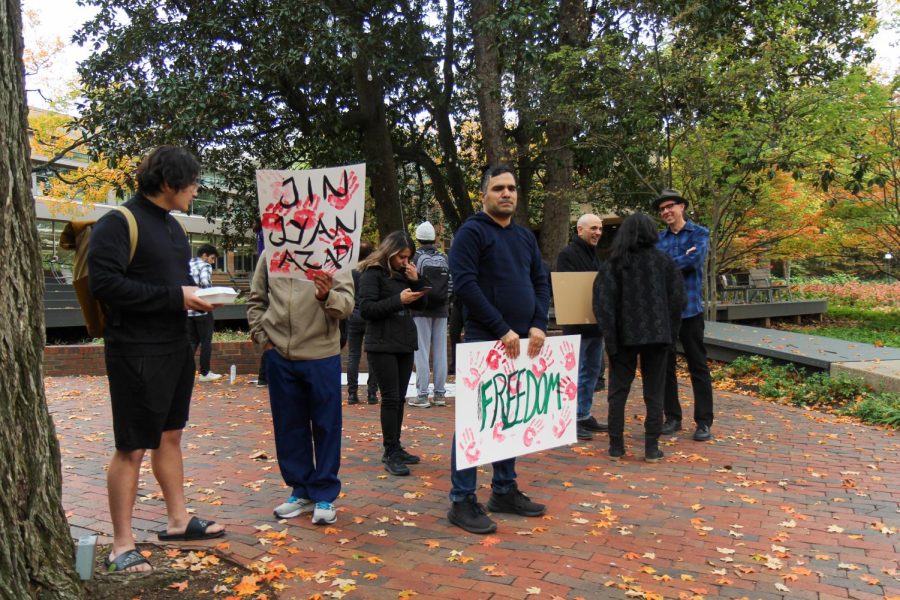
Vanderbilt students have demonstrated our support for peace and human rights. In 2022, after the killing of Mahsa Amini by the Iranian government, Vanderbilt students demanded solidarity with Iranian women against their oppressive government. And now, we are again standing in solidarity with the Iranian people against this oppressive war, against the slaughtering of innocents.
The Trump administration ran this war particularly recklessly, ignoring the obvious leverage Iran held with the Strait of Hormuz. This war’s failure reflects not only on Trump, but also on the broader tendency of U.S. administrations, regardless of party, to jump into unnecessary conflicts.
This must end. We must take Iran as a lesson to temper our use of military force around the world. Diplomacy must be prioritized before any use of arms is considered. We cannot continue to hand away human lives so easily.