

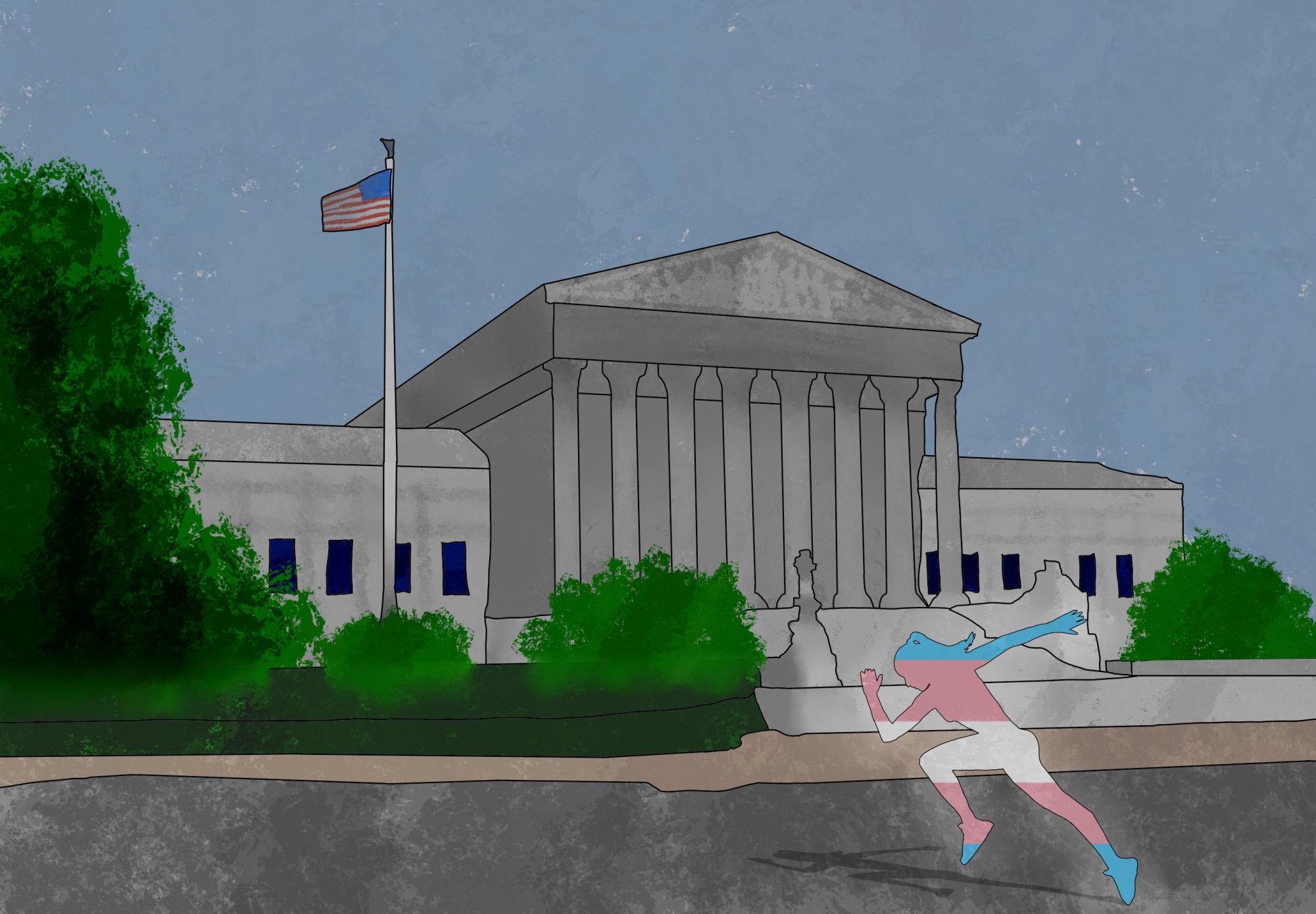
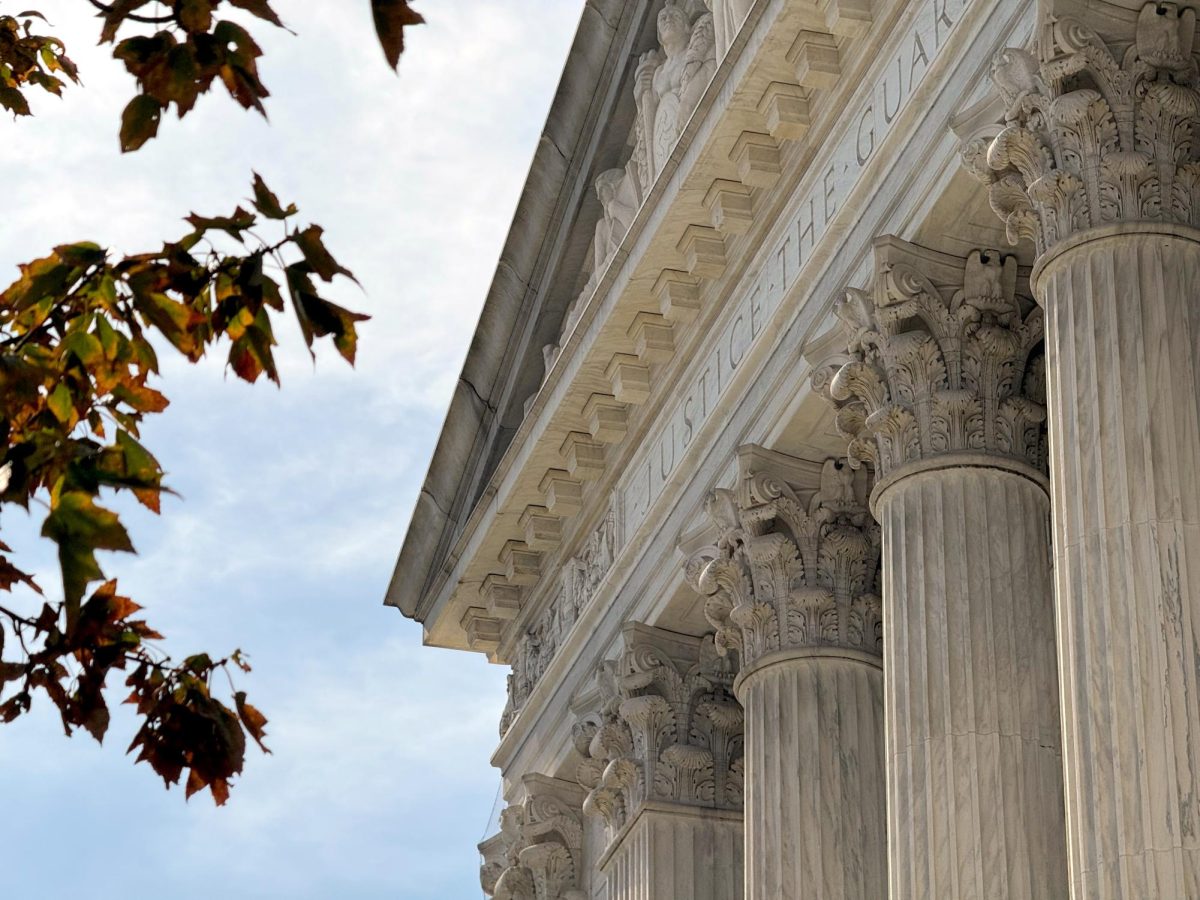
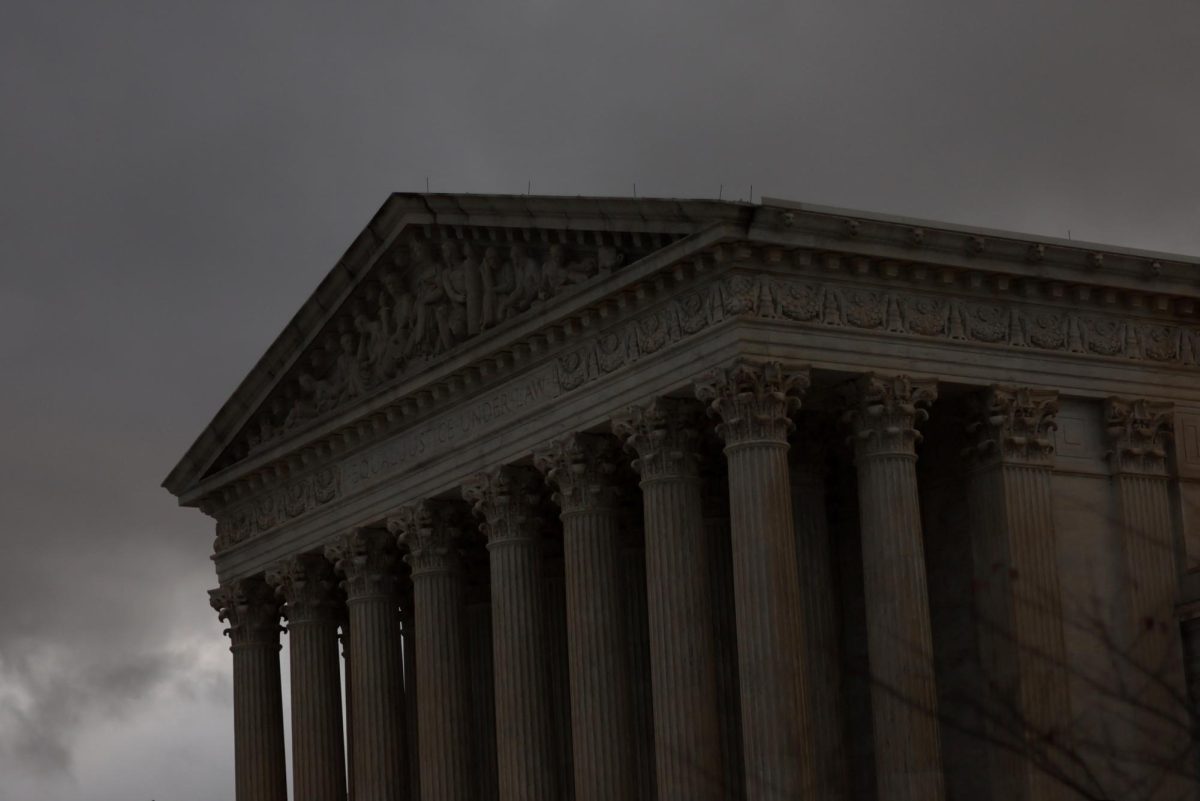
On June 30, 2026, the Supreme Court ruled to uphold state bans on transgender athletes’ participation in school sports. This decision follows in the footsteps of a culture war politicians have waged against a group of people consisting of just 1% of the United States population.
This Supreme Court has a mixed history regarding trans rights. The Court ruled in the 2020 case of Bostock v. Clayton County that Title VII of the Civil Rights Act, which prohibits employment discrimination, does protect trans individuals. However, in the 2025 case of U.S. v. Skrmetti, the Court upheld state laws that banned lifesaving gender-affirming care for trans minors.
In 2021, West Virginia passed a law banning trans people from participating in school sports on teams that correspond with their gender identity. Becky Pepper-Jackson, a trans girl who was just a middle schooler at the time, sued her state over this discriminatory law. The plaintiffs argued that sports bans like those in West Virginia violated trans individuals’ freedoms under Title IX of the Education Amendments of 1972, which protects against sex-based discrimination in education, and the Equal Protection Clause of the 14th Amendment, which enshrines equal protection under the law.
The Supreme Court rejected both arguments in the recent ruling of West Virginia v. B.P.J.
The Court’s reasoning? This form of discrimination was acceptable since preventing trans women from participating in women’s sports was a “reasonable” government objective.
We hear this narrative so often: trans women have some biological advantage over cisgender women – people assigned female at birth who also identify as women.
But is it even true?
A 2023 systematic review of research on trans people’s athletic abilities found that trans women who had undergone hormone replacement therapy had few advantages in comparison to cis women, which were overshadowed by the wide range of variation in abilities within cis women based on factors such as height. A 2024 study found that trans women may even have disadvantages in sports compared to cis women. Further, a review by the Canadian Centre For Ethics In Sport concluded that trans women who had undergone testosterone suppression had “no clear biological advantages” over cis women in athletics.
The seemingly intuitive justification for restricting trans people from sports falls apart when confronted with research.
The Supreme Court’s decision in West Virginia v. B.P.J., which found that states had reason to exclude trans people from sports, insinuates a supposed advantage that evidence does not back up. But we should extend the conversation about sports beyond this unsubstantiated accusation.
The demographic primarily affected by trans participation in sports is not cis people – it’s trans people. There are incredibly few trans athletes competing in sports. Trans and nonbinary people face immense mental health challenges, and participate in sports at a rate much lower than their cis counterparts due to harassment, experiences of being unwelcome and legal barriers. However, participation in physical activity and sports teams has been shown to reduce suicidal ideation and behavior among high school students, and depression and stress among trans youth specifically. Individual experiences and research alike demonstrate how sports participation can boost trans people’s mental health.
Equitable participation in sports can uplift trans kids’ mental health, yet lawmakers insist on barring them from accessing the basic communal activity of sports based on baseless claims of unfairness.
These transphobic policymakers don’t only hurt trans people, however. Cis women are affected as well. Natalie Cline, a now-former member of the Utah State Board of Education, shared a social media post attacking a supposedly trans member of a high school girls’ basketball team, leading to a swarm of cyberbullying targeting the girl.
The victim wasn’t trans, however: she was a cis girl caught in the storm of transphobia spewed by her state government.
The trans sports bans also lack a reasonable enforcement mechanism. In the absence of a birth certificate, as a Kansas lawmaker who sponsored the state’s sports ban admitted, medical examinations, possibly including genital testing, may be used to identify a child’s sex to determine whether they should be allowed to play.
Transphobic sports bans hurt cis women as well. They hurt us all. Discrimination helps no one.
West Virginia v. B.P.J. is just another example of state-sponsored discrimination against an already vulnerable minority. Trans people have been used as political scapegoats for politicians. States around the country have implemented a firestorm of anti-trans laws, including sports bans, which perpetuate health disparities that hurt my community. Over 500 anti-trans bills have been proposed around the country in 2026 alone.
As a trans person myself, I have faced hate at every turn, including sexual harassment in high school, difficulties accessing lifesaving healthcare and an inability to participate in sports because of draconian laws like the ones the Supreme Court just upheld.
This issue hits hard against Vanderbilt especially. Located in a state like Tennessee, with a horrendous record on trans rights, Vanderbilt administrators have been quiet on the anti-trans crusade happening in their own backyard. A trans student recounted his experiences of fearing for his safety on campus in a guest editorial in The Hustler in 2023 – which he had to write anonymously for protection.
Despite this backlash, in a 2022 debrief, when asked about students’ perceptions that Vanderbilt has not done enough to support them, Chancellor Diermeier insinuated that the university has done everything it could have. But has it?
“I’m not really quite sure what else people would be looking for at this point,” Chancellor Diermeier said.
Just months later, he posed for a picture with Tennessee Gov. Bill Lee, the architect of Tennessee’s anti-trans regime.
Ironic.
This Supreme Court decision is just the latest in a barrage of anti-trans oppression across the United States. Yet while being just a couple of miles from one of the state capitals leading the charge of hate, with trans students facing safety concerns on campus, our chancellor poses with the governor and doesn’t know what more he can do to help trans students.
Ultimately, the power to end the regime of transphobic hate doesn’t sit with Diermeier. It sits with all of us.
The Supreme Court failed 2.3 million transgender Americans. It is up to us to demand better of our leaders and government.







Anon • Jul 6, 2026 at 3:32 pm CDT
Big disagree. I really feel for trans kids because it’s such a tough thing, but of all of the trans girls I’ve competed against in my athletic career (~10) none of them had undergone hormone replacement or therapy. Furthermore, nothing can undo higher bone density, higher lung capacity, and heightened muscle mass that biological males are born with. I think, whilst it is devastating for trans athletes who are competing, it is on the whole way more far to allow for bans. Besides, SCOTUS just upheld that states are allowed to choose to ban, which means for now, many will choose not to. There’s no perfect solution, but allowing bans is the best at the moment imo.