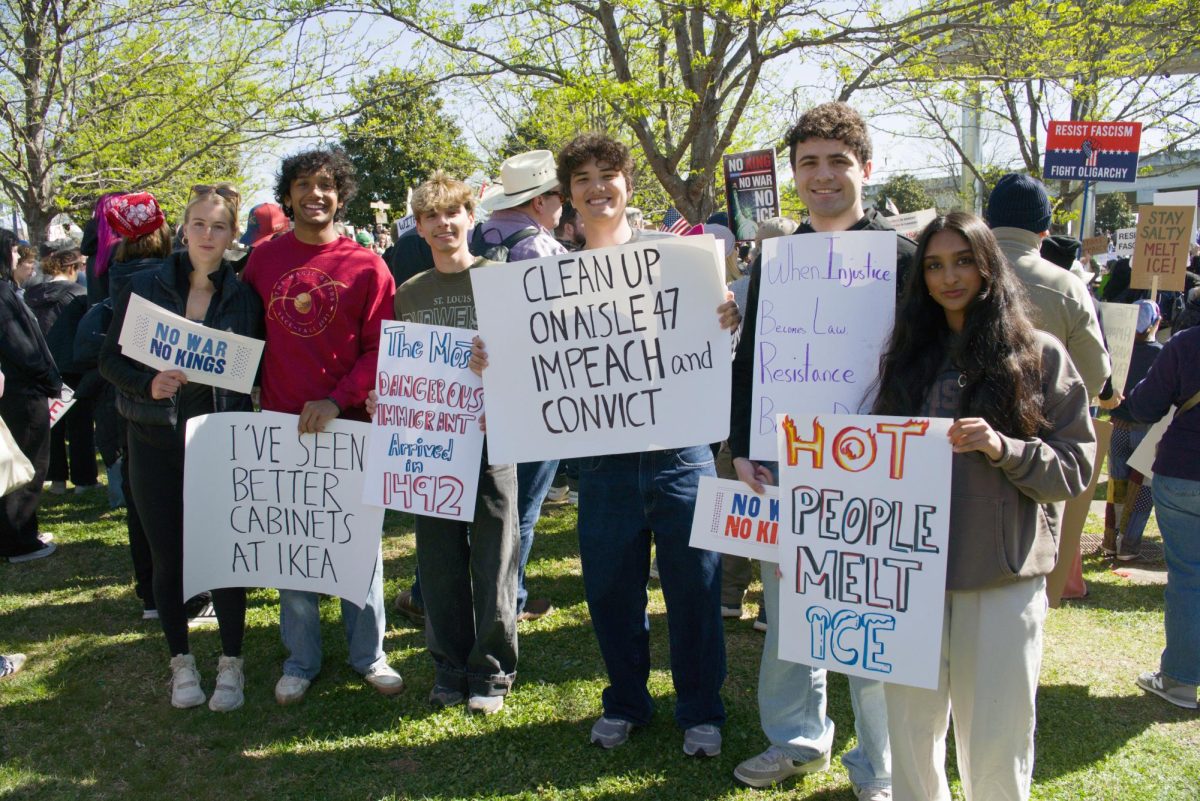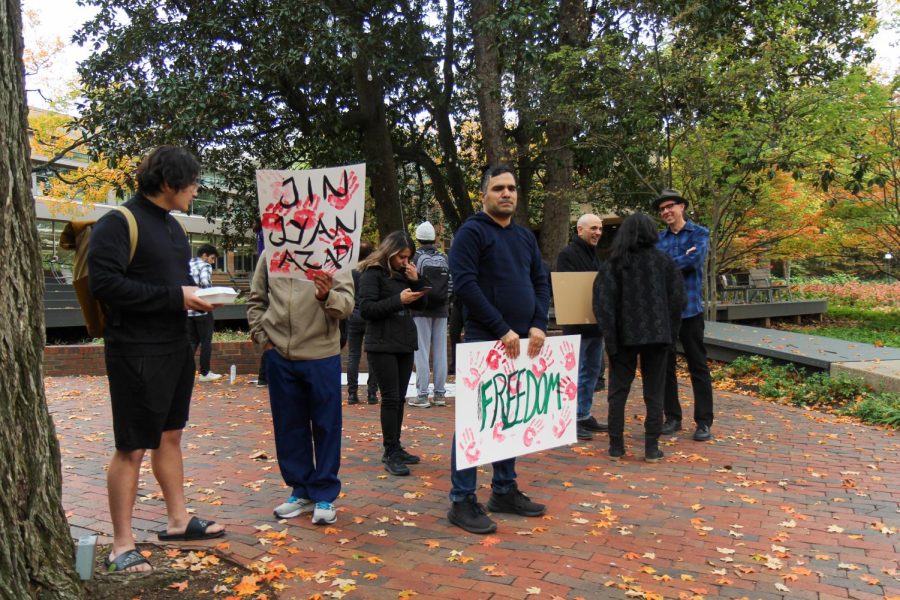

Early this year, in a brutal crackdown of anti-government protests, the Iranian regime reportedly killed over 30,000 Iranian citizens in a mere 48 hours in what has been called a “state-orchestrated massacre.” The on-the-ground scenes resembled a horror movie: a surgeon emptying the eye sockets of a 13-year-old shot in the face by regime forces, 300 body bags spread across a morgue parking lot, a woman shot in the neck vomiting blood as her husband held her face. Yet, while for years there have been countless demonstrations on U.S. campuses for various human rights causes — such as the plight of the Palestinians — for this, near radio silence. No protests, sit-ins or slogans. Aside from a deeply moving memorial organized by the Iranian Student Association in front of Rand, there was nearly no visible response on campus.
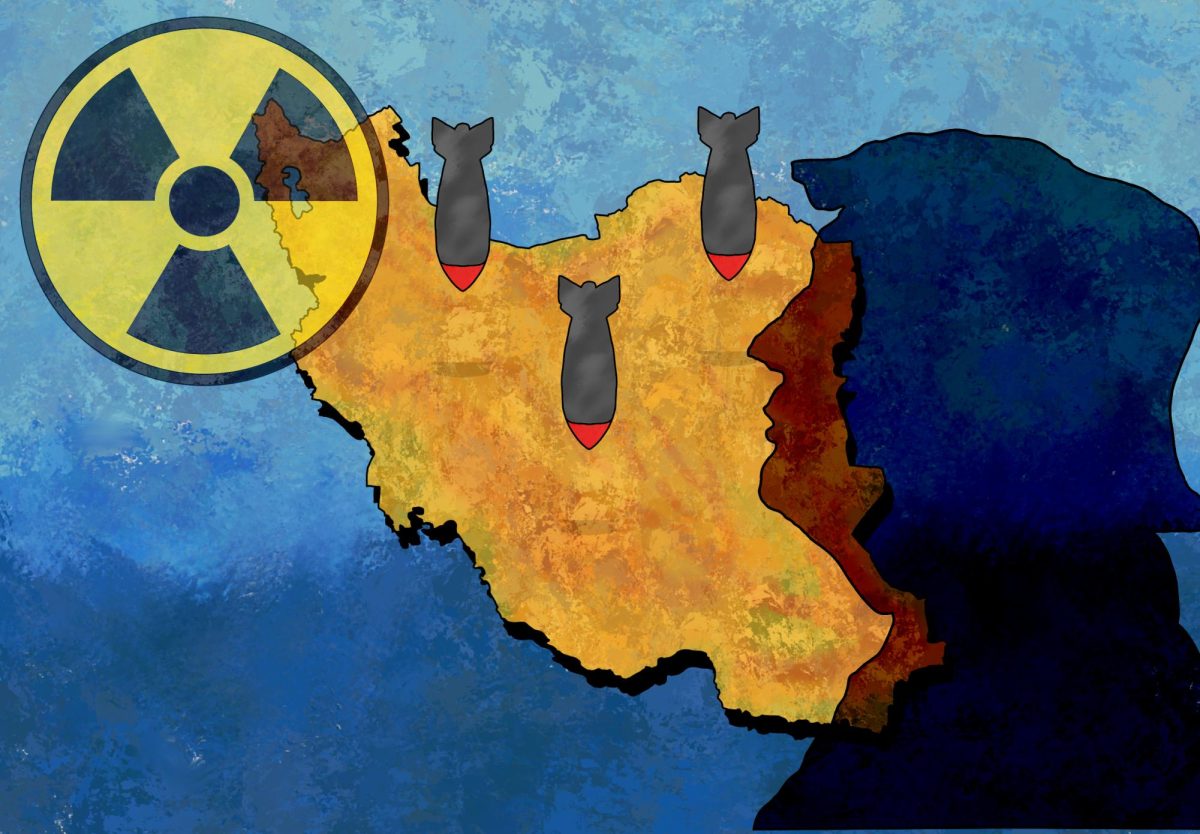
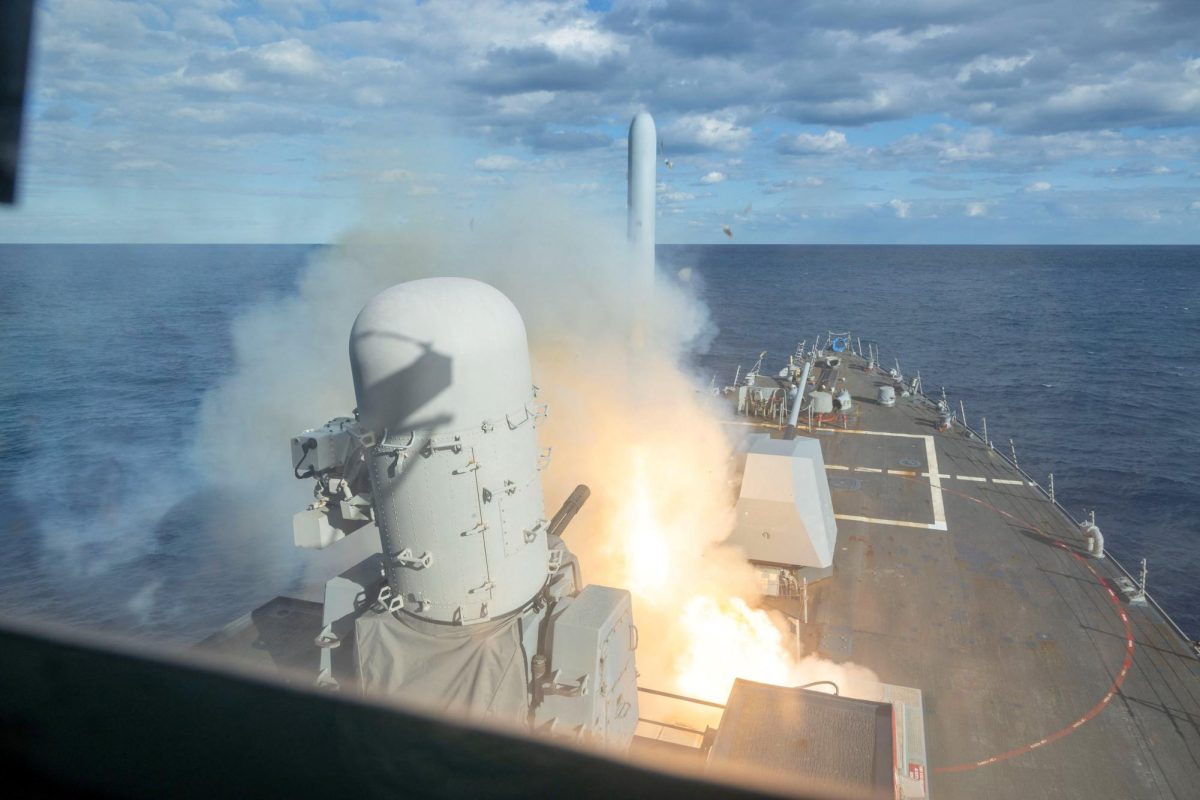
Then, the United States and Israel launched strikes on Iran, and, suddenly, there was widespread outrage and criticism. Suddenly, people cared about Iran. That dichotomy raises a simple question: why? Some are outspoken in their fear that U.S. military action will drag the country into another Iraq- or Afghanistan-style forever war, concerns which are understandable and deserve consideration.
But acknowledging those risks does not explain how government-ordered mass killings of protesting Iranians on an industrial scale failed to brew an activist movement comparable to those related to past crises, but U.S. and Israeli strikes against that same government did. This cause seems as worthy as any of our activism: years-long severe human rights violations against citizenry, especially minorities, alongside a plethora of brutal crackdowns on protestors demanding reform. Pertinently to us, this Shiʿa Islamist theocratic regime has waged a decades-long anti-American and anti-Western war, causing much despair and suffering to our fellow citizens, with venomous rhetoric and horrific violence. So, before deciding how you feel about the war, the question of our selective outrage deserves serious consideration, because its answer reveals something important about our political and cultural moment, especially given this adversary.
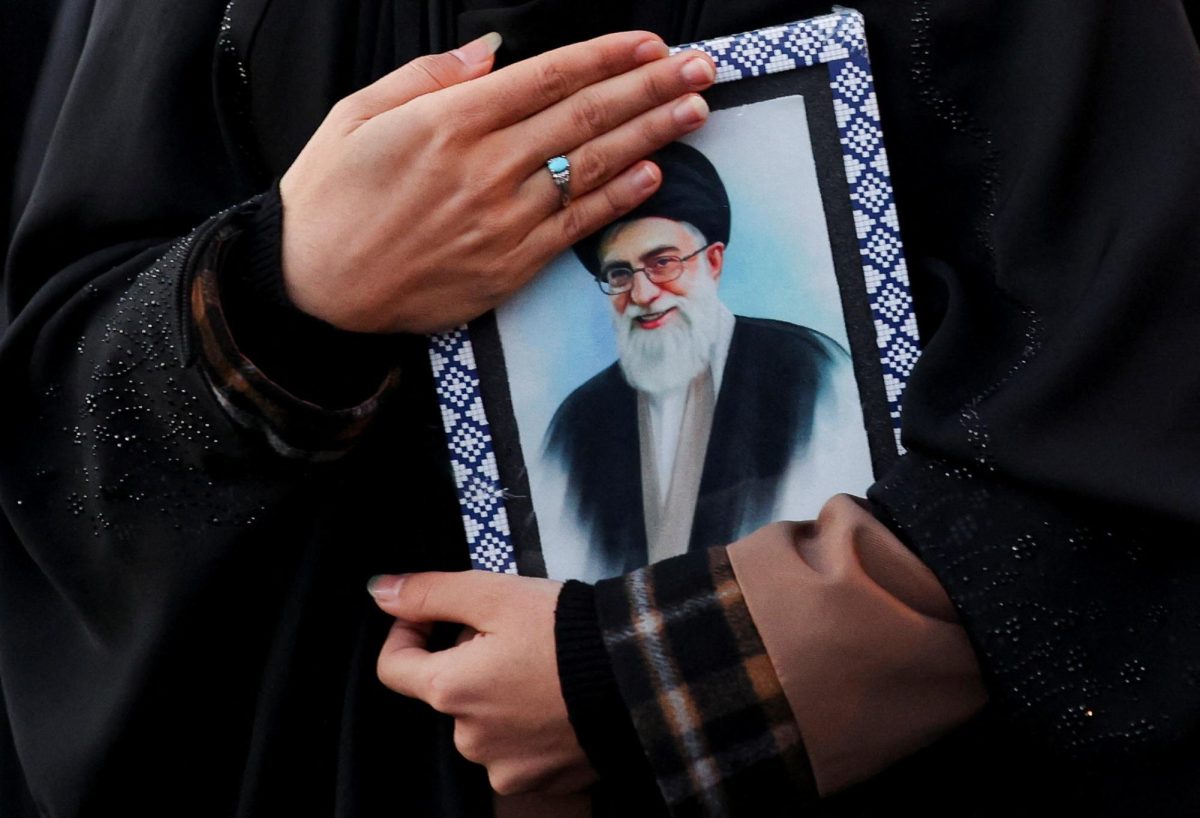
This regime has declared itself in conflict with our country since its inception. Iran’s first supreme leader, Ayatollah Ruhollah Khomeini, famously branded the United States as “the Great Satan” before labeling the Western World as “devourers led by America, Israel and Zionism.” His hostility has shaped the regime’s rhetoric and policy since. Decades later, Iranian Revolutionary Guard Corps commander Hossein Salami declared their desire to “break America, Israel and their partners and cleanse the planet from the filth of their existence.” For decades, Ayatollah Ali Khamenei repeatedly described the United States as Iran’s “most wicked, sinister” and “number one enemy.” When you chant “Death to America!” he claimed, “it is not just a slogan. It is a policy.” The regime has embedded these doctrines across Iranian society, from school assemblies to city billboards. Every Friday across Iran, as Americans prepare for a weekend of relaxation, state-appointed Prayer Imams lead crowds in rhythmic chants of “Death to America” and “Death to Israel” — “Marg Bar Amrika, Marg Bar Esrail.”
These words summarize the regime’s broader modus operandi: deep hatred of our country and our way of life. But words are cheap and in this case actions certainly speak louder. Iran’s words have repeatedly translated into horrific violence. History shows that when they chant death to America, they mean it. Shortly after the revolution, Iranian assailants seized the U.S. Embassy in Tehran, taking over 50 Americans hostage for 444 days. In 1983, in one of the deadliest attacks on U.S. forces since World War II, an Iran-backed Hezbollah truck bomb drove into the U.S. Marine barracks in Beirut, killing 241 American servicemen while simultaneously killing 58 French paratroopers. These insidious involvements have continued for decades. Between 2003 and 2011, Iranian-backed militias killed at least 603 U.S. soldiers in the Iraq War. More recently, it was Iran who has for years supported groups like Hamas, sponsoring their October 7 attacks on Israel that killed 1,200 people, including 46 Americans.
The nuclear angle is what makes this an existential threat for our generation and our progeny. For years, Western powers have attempted to halt Iran’s nuclear enrichment programs through negotiations and sanctions to no substantive avail. Repeatedly, they have been rebuked as Iranian officials describe their nuclear program as a “red line…which cannot be discussed or negotiated under any circumstances.” Even with the “devastating” bombings of their nuclear and military facilities last June, the regime was only delayed. The reality is, where there is a will, there is a way. They are motivated by fanatical ideology, not reason, so no matter the cost, they will always reconvene, rebuild and reconstitute their programs, even if it takes many years. This is the threat over which people are outraged that the United States is acting against.
The United States cannot be faulted for a lack of trying diplomatically, engaging in months-long intense negotiations with Iranian officials until the eve of the strikes which assassinated Ayatollah Khamenei. Despite claiming for years that their enrichment pursuits were merely for civilian purposes, they rejected an offer by the United States to provide free nuclear fuel for civilian energy use into perpetuity, calling it an affront to their dignity. Why? The answer is simple. They seek not peaceful coexistence but to bring destruction to the United States and our allies. While many in the West would prefer to avoid confrontation, Iran has made clear that coexistence with the United States and its allies is intolerable to them. A nuclear-armed Iran with this ideology and track record would be our generation’s problem to inherit. It is in all of our interests, therefore, to see this threat neutralized, something we should all hope to see succeed.
Whatever emerges from this moment will be our generation’s inheritance, and we should think carefully about what we want that to be. You would be hard pressed to find anyone on campus who would not resoundingly condemn the atrocities of the Iranian regime.
This should not be a political question, however. War is hard and brutal, and there is never a perfect moment to confront a dangerous adversary. However, the world is a better place without the number one state sponsor of terrorism in it. So, let’s be honest about our motivations when choosing activism because the demise of this regime should not be difficult to welcome.