

If you’ve spent any time on social media recently, chances are you’ve seen rose-tinted photos and throwback songs flooding your feed. With the arrival of 2026, a wave of nostalgia has come for a seemingly simpler time: 2016.
For years, jokes have circulated online that 2016 was when life peaked — when girls showing up to class in a full beat was normal, 30 likes on an Instagram post felt viral and Rihanna was still releasing music. There truly is a sense of community surrounding this longing for a ten-year rewind.
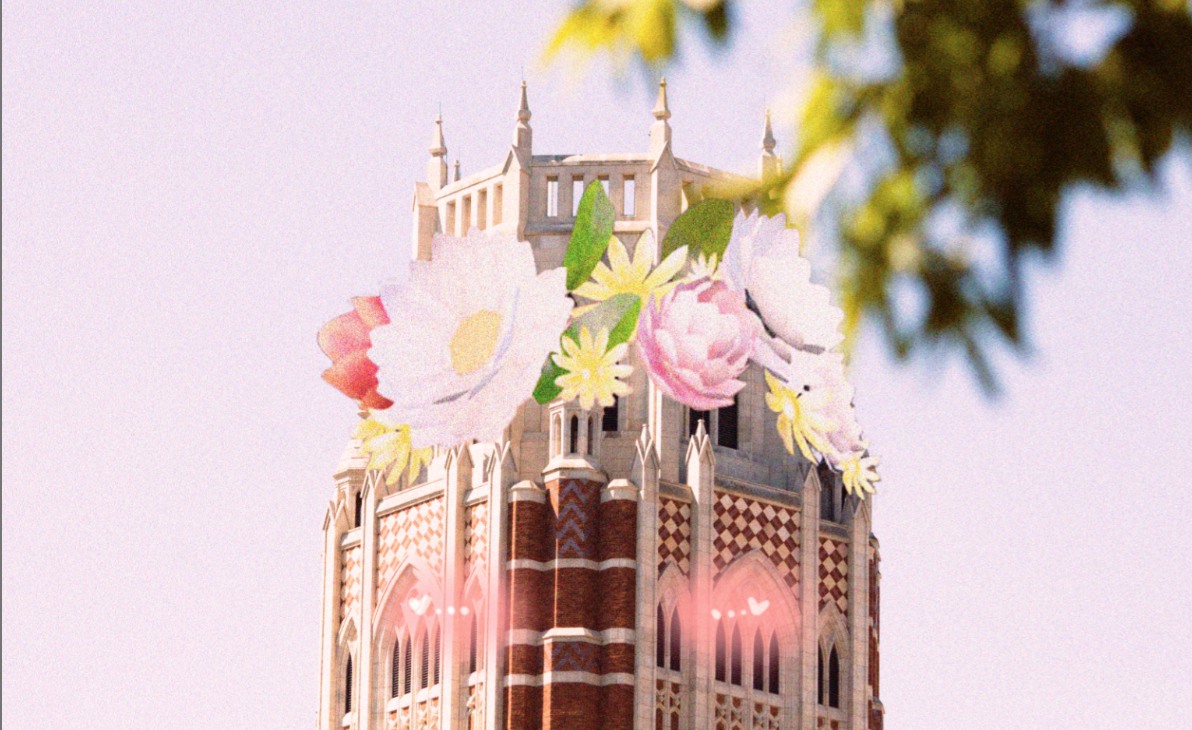
With this in mind, we couldn’t help but wonder what Vanderbilt looked like in 2016 — before the endless construction, before ChatGPT and before the recent rise of our sports teams. We took it upon ourselves to do a little time travel and research what life on campus was like then, and why, ten years later, students can’t seem to stop looking back.
Snow days and déjà vu
One of the first things that stood out was how familiar even the most mundane moments felt. On Jan. 22, 2016, Vanderbilt canceled classes due to snow, giving students a rare day off to build snowmen on Alumni Lawn and sled in Centennial Park. Nearly ten years later, students found themselves in an almost identical position, navigating an unprecedented stretch of snow days and reliving the same joy — and chaos — that winter weather brings to campus. Despite everything that has changed, some things remain the same.
Admissions and enrollment
As we look forward to the Class of 2030’s arrival on campus, we took the time machine and dialed it back to 2016 to see what admissions and enrollment looked like a decade ago. According to Vanderbilt’s Common Data Set, the campus saw the hustling and bustling lives of 12,567 students (6,883 undergraduates, 5,684 graduate students) in the 2015-2016 school year. That same year, the admissions rate dropped to 8.8%, in which 1,887 men and 1,787 women were admitted from the 13,871 and 17,593 applicants, respectively. 815 male and 792 female students enrolled from the applicant pool.
Ten years later, enrollment has increased by almost a thousand: Vanderbilt currently has 13,670 students, with 7,366 undergraduates and 6,304 graduate and professional students. Class of 2029 undergraduate admission statistics include an overall (Early Decision 1, Early Decision 2 and Regular Decision) admissions rate of only 5.3% — a 3.3% decrease over the past decade — from a pool of 48,658 applicants. This represents an increase of 17,194 applications compared to 2016. Vanderbilt has not published a gender breakdown of applicants or enrollment figures.
Athletics
Sports coverage in 2016 paints a striking contrast to Vanderbilt’s current athletic moment. The Jan. 27, 2016, issue of The Hustler features opinion pages debating the future of then-head football coach Derek Mason, with pieces arguing both for patience and for change. Looking back, it’s hard not to notice how far Vanderbilt athletics has come, shifting from being known almost exclusively as an academic powerhouse to becoming a school increasingly recognized for its competitive sports programs.
Life on campus
If there is one Hustler section where time almost feels suspended, it’s Life. The Feb. 3, 2016 issue devoted multiple pages to Nashville’s music scene, spotlighting venues like Exit/In, the Ryman and The Basement East, while highlighting Vanderbilt Radio as a hub for student-driven music culture. Reading those pages now feels less like nostalgia and more like a reminder that Nashville’s standing as “Music City” has always shaped Vanderbilt’s identity.
Food coverage also reads like a historical record of Nashville’s growth. A Feb. 17, 2016, piece celebrated the opening of Proper Bagel, a restaurant that has since become a staple for many students. Seeing its debut framed as breaking news highlights how quickly Nashville’s food scene and Vanderbilt’s relationship to it have expanded.
Campus infrastructure, however, tells a different story. A Feb. 10, 2016, article highlighted new spaces opening in Branscomb Quadrangle, describing their importance to student life. Today, walking past Branscomb means watching excavators dismantle buildings that once anchored campus routines. The physical landscape has shifted dramatically, even if student experiences inside those spaces feel familiar.

Style, too, offers a striking snapshot of the era. A Hustler article titled “Fall trends of 2016: New and old styles that are essential for your fall wardrobe” now reads like a time capsule. The cover photo alone — chokers, side parts and lots of denim — instanlty immerses the reader in a specific moment in time. Walking around campus today, the uniform looks different: Lululemon sets, Aritzia basics and Goyard bags dominate. But as many students know, trends work in cycles. Who’s to say that chokers and off-the-shoulder tops won’t find their way back to campus sometime soon?
One undeniable change is the loss of Gmail. Launched Oct. 2, 2009, Vanderbilt Gmail became central to student life, powering everything from student organizations to professional networking through Google’s suite of tools. In 2016, students relied heavily on these accounts. That era ended in 2025: undergraduates began migrating emails in May, and by August, alumni lost Google Workspace access entirely. Unlike visible campus changes, this shift was nearly invisible, yet it quietly reshaped the daily routines of students and alumni alike.
Looking back, moving forward
Reading through old Hustler archives makes one thing clear: while Vanderbilt has evolved in countless ways, much of what defines student life has stayed remarkably consistent. The headlines change, buildings come and go and sports programs rise and fall, but the essence of campus life remains familiar.
Maybe that’s why 2016 feels so close, even ten years later. In revisiting the past, students aren’t just longing for a different era; they’re recognizing pieces of themselves in it. And in that way, 2026 really might be the new 2016.