
Many of us who menstruate do not think much about buying period products, going to class or doing our favorite activities during that time of the month. For some people worldwide, however, it’s a different story, and one that a current Vanderbilt student is trying to change.
Menstrual stigmatization, which includes the cultural and societal taboos surrounding menstruation and even the discussion of it, takes place in countless cultures and communities. Junior Reena Ramani is working to address this stigmatization by providing period products and education to menstruating girls around the world through her nonprofit, Project ME, which stands for Menstrual Equity.
Ramani, who is on the pre-med track studying medicine, health and society as well as integrated biology, credits her immigrant community roots as bringing about the start of Project ME while she was a student in high school.
“I come from an immigrant background, an immigrant family and an immigrant community. Later in high school, I got to talking to a lot of people within my community, hearing stories about the way that they grew up,” Ramani said. “And not per se my generation, but generations before, they expressed that menstruation was stigmatized in certain parts of India and even today. [Project ME] was something I started as an awareness project. Menstruation isn’t something that should be avoided as a topic.”
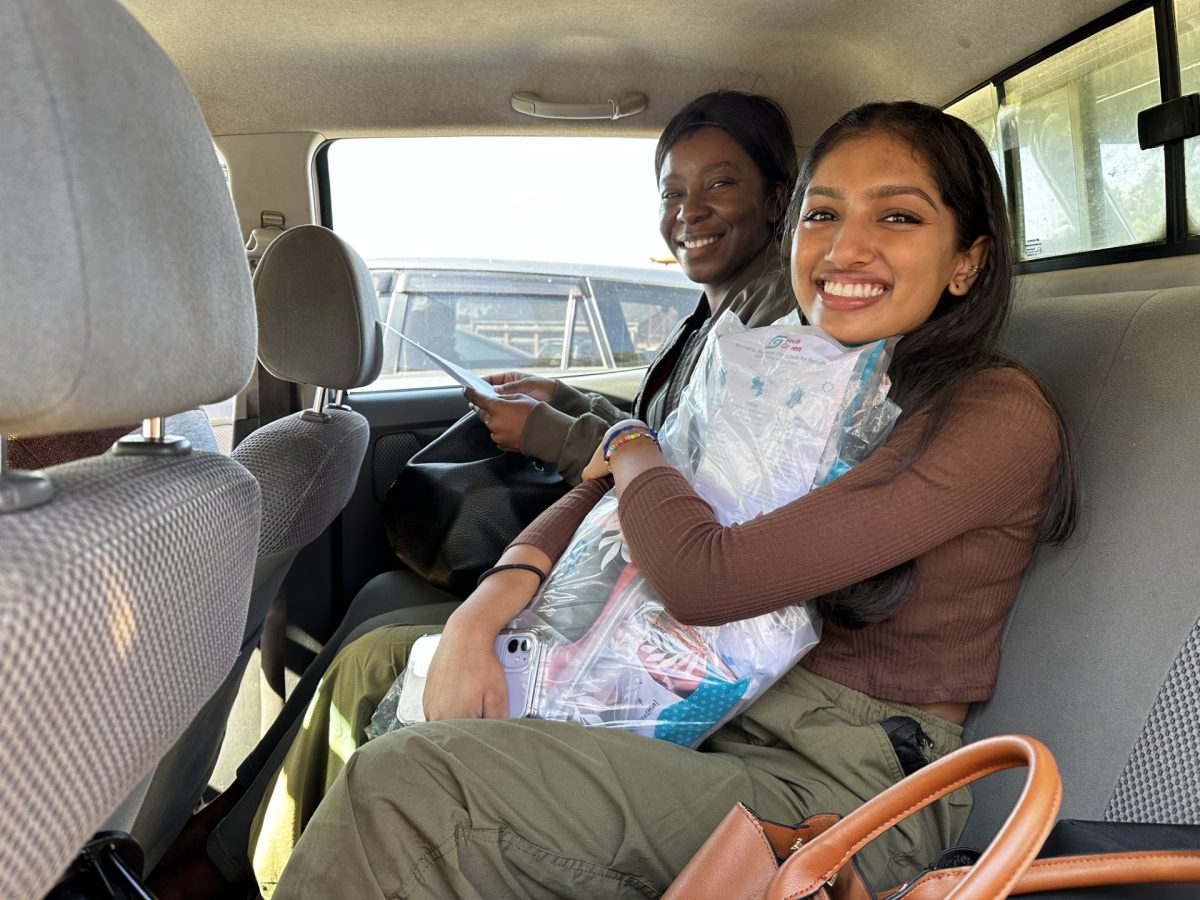
Since its start, Project ME has expanded to six different countries: Zambia, the Democratic Republic of the Congo, Guatemala, Sri Lanka, Cambodia and Myanmar. The initiative has distributed reusable period products to over 2,000 girls in these places. While Ramani has gone to some of these sites herself, Project ME also collaborates with local nonprofits and contacts in the area to accomplish its mission.
For example, Ramani works with SochGreen, an Indian company that makes reusable, sustainable and affordable hygiene products. Together, they developed reusable sanitary products.
“Within a year, I was able to work with [SochGreen] and develop a product where we could provide a sustainable and eco-friendly solution for hygiene products that are so hard to come by,” Ramani said. “We developed our own product, which is hygienic, easy to wash, easy to remove stains and is comfortable.”
The reusable sanitary pads allow girls to attend school while menstruating safely and comfortably.
“Our mission is to keep these girls in school. The only way to do that is to give them something that they can reuse, wash and continue to use or even request more of all the way throughout high school,” Ramani said. “Having this reusable pad is not only cost effective on our end, but it provides a sustainable solution for the girls who participate in this program.”
Project ME also provides lessons on menstrual health to the girls they help and check-ins to see if communities need additional hygiene products.
“For every school that we enter, we like to supply these girls with pads until graduation, so this isn’t ever a problem they need to face,” Ramani said.
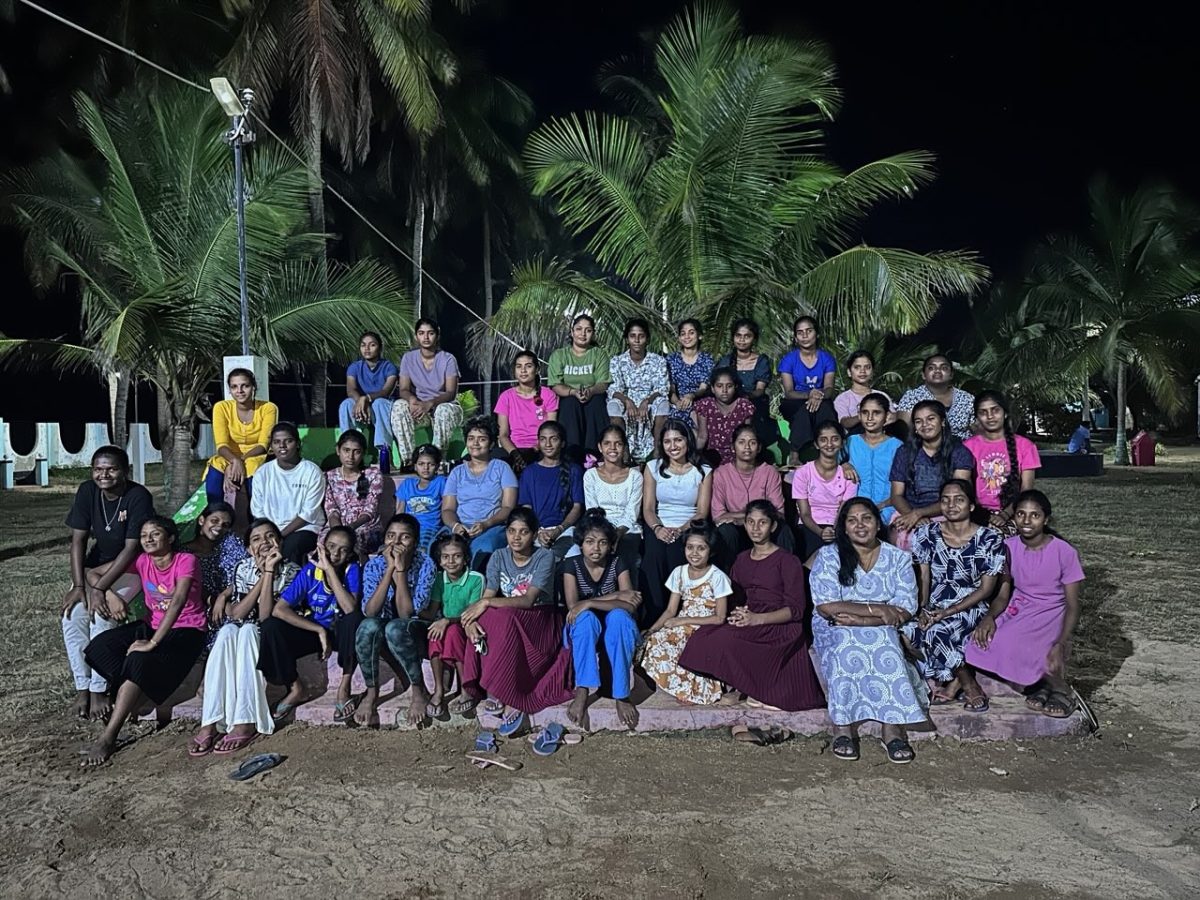
Ramani’s other collaborations with local nonprofits and organizations in Project ME’s target locations allow her to run Project ME and balance being a student at Vanderbilt.
“I’ve had the privilege to be able to visit a couple of our sites, but not all of them, and so having someone equally invested in this project, whether that’s from an education standpoint or a sustainability standpoint, was also important,” Ramani said. “We really like to have that local aspect of being able to tune the content based on the country or the culture because every culture is different.”
Project ME is currently working on developing a study to identify quantifiable long-term effects that the program has on reducing school absenteeism.
“Anecdotally, we have heard from a lot of these locations in different parts of the world. They are seeing a difference in these girls being able to come to school. Not only just come to school, but [for there to be] a safe space for these girls to talk about their problems,” Ramani said. “Once you’ve talked about it once, it becomes easier for these girls to talk about it within the school setting. It’s kind of their safe space in that way as well.”
By providing education, support, discussion and menstrual products to girls who need them, Project ME allows more girls around the world to stay in school and feel empowered to take on the world any time of the month. Project ME’s latest project in Myanmar is currently supporting 1,000 girls.