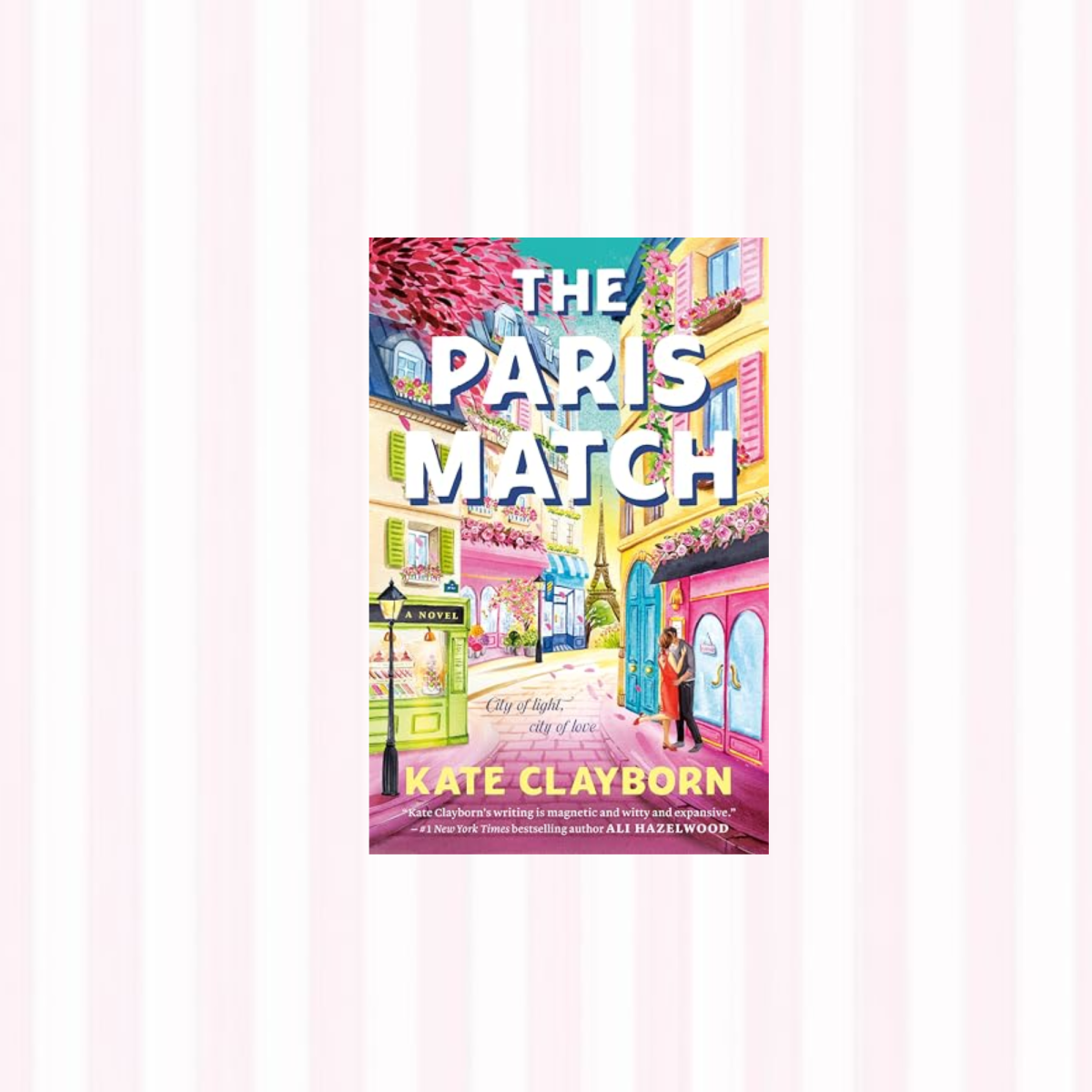


The opportunity to share my thoughts publicly about a book and receive an advanced reader copy is never one that I will turn down. “Yours for the Season” caught my eye not only with the contrasting colorful cover, but with the tag from Mindy’s Book Studio.
Upon further exploration, this collection of books is hand-selected by Mindy Kaling herself in collaboration with Amazon Publishing to share “emerging and diverse voices” in the sphere of written media. My first exposure to Kaling’s expansive repertoire wasn’t until “The Sex Lives of College Girls,” an HBO Max comedic drama series she worked to write and produce. The show starred Reneé Rapp, one of my favorite musical artists and performers, and I became hooked on the intricate college relationships built between four roommates. Four years later, Rapp’s absence from the third season led to the show’s recent cancellation. Still, Kaling’s success has continued from the film industry to the celebration of diversity worldwide.
Upon receiving this cute romantic comedy novel, I prepared for an early winter season of reading as I cuddled up with my cat on a chilly weekend morning in my dorm. Though I did objectively enjoy “Yours for the Season” and awarded it with four out of the five stars on Goodreads, it took me much longer to get through than a typical novel of the same length, at just 284 pages. Let’s jump into why!
WARNING: SPOILERS AHEAD!
The strangers-to-lovers trope involving a meet-cute in which neither Sameera Malik nor Tom Cooke was looking to fall in love caught me off guard from the start. Even though already having one another clearly laid out as love interests from the first chapter can provide a road map as to where the story will continue, I yearned for more of the suspense associated with other common tropes of romance novels (such as enemies-to-lovers). Still, I thought the chemistry between the characters was evident from their first meeting.
My absolute favorite part of this book was the diversity and representation presented with the Malik family’s Muslim heritage in contrast to the traditional Americanized Christmas. It is important to note also that Jalaluddin’s main character, Sameera, is not only a woman of color but has complex relationships and personality traits woven into her character outside of that identity. Her story teaches about Muslim holidays, such as the Eid celebrations twice throughout the calendar year, without being overly informational or taking away from the genre of a romantic comedy.
Separate from the nuggets of education sprinkled throughout the story, I do feel that there was an absurd number of details that could have been left out for the story to promote the same message. Many conversations between Sameera and Tom, who becomes her love interest, felt very redundant as they were finally vocalizing things to one another that had been obvious to the reader for several chapters.
Additionally, some characters seem to serve only to slow the story down. The added turmoil of rocky familial relationships did give the story an extra layer of nuance, which I enjoyed. This allowed for a point of connection between Jalaluddin and her audience, whether their specific personal conflicts surround the sovereignty of a small Alaskan town.
As an aspiring elementary educator with several classes surrounding how to choose children’s literature for a future classroom, we talk frequently about how to leverage three different types of stories: mirrors, in which children are able to see their own identities represented; windows, in which children can broaden their worldview with observation of what the lives of others may be like; and sliding glass doors, which serve for readers to go a step further and actually immerse themselves with said new perspective.
Being students at Vanderbilt, it is unlikely that we will ever be in one concentrated place ever again with such vast diversity — events constantly available showcasing differences from religions to cultures to several sectors of identity and interest. This only further emphasizes the importance of exposing ourselves now to diverse experiences while we have the opportunity.