


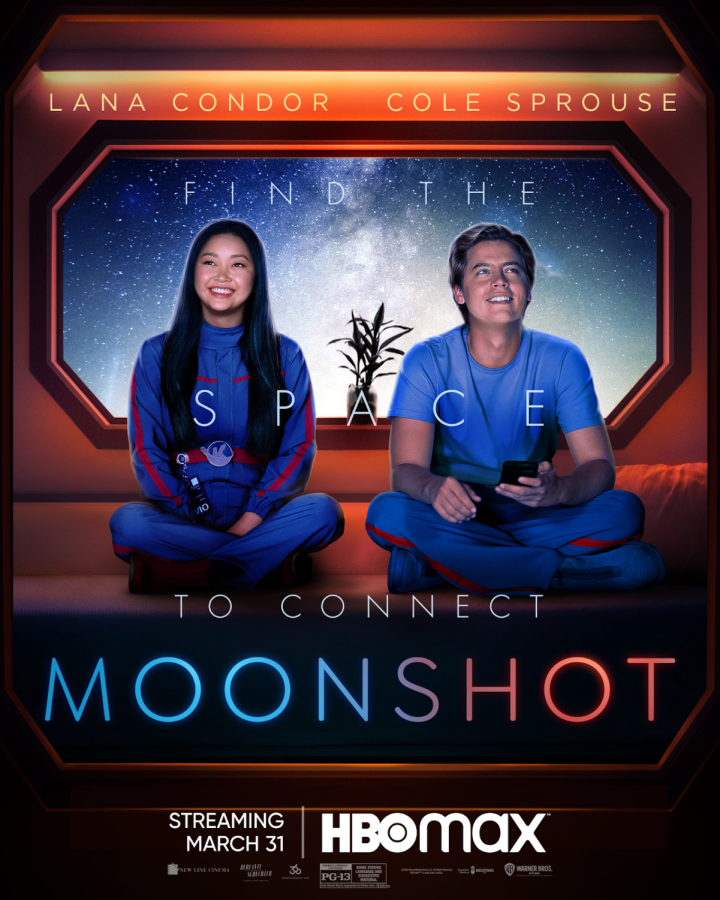
Romantic comedies lied to me. They told me I would bump into my soulmate in line at the local campus coffee shop, marry in my twenties and live happily ever after. Instead, I’m realizing college is the last place people find love, let alone get married.
For decades, college was painted as the perfect place to find “the one,” a concentrated bubble of young adults tasting independence for the first time. The college sweetheart was a cultural ideal, reinforced not only by Hollywood but by statistics. In the mid-20th century, a significant number of couples actually did meet in college. But today? Dating apps, hookup culture and shifting priorities have flipped the script. Fewer students expect to find love on campus, and fewer Americans are getting married at all. This isn’t just a college issue but part of a bigger cultural shift in how we view relationships.
To understand this shift, we need to see what marriage once looked like. In 1949, 78.7% of U.S. households included a married couple. These households often reflected the nuclear family archetype: a working father, a stay-at-home mother and their children. Meanwhile, women who worked outside the home earned, on average, only 59 to 64 cents for every dollar earned by men in the same job. This wage gap made solo living difficult, so marriage felt not only like a societal expectation but also a practical financial choice. At the same time, cultural norms reinforced the idea that women should marry young and have children. The 1950s made marriage feel inevitable; however, this would not last, and it set the stage for a broader shift in how Americans approached relationships.
As the decades passed, the cultural pressures that once pushed young adults into early marriage began to ease. College — once seen as a prime place to find a spouse — gradually shifted its focus toward education and personal growth rather than romance. In the mid-20th century, only about 7-8% of couples reported meeting in school or college; today, that share has fallen even further, to just a few percent. With more young adults prioritizing their education and careers, campus is no longer a hotspot for finding love.
But that’s a harsh reality, especially considering what the media has fed us our entire lives. Rom-coms and social media often present an idealized version of love: perfect partners and effortless relationships. As one study notes, rom-coms “may provide an unrealistic view of the way in which people meet their partners, as not every real-life experience begins with a meet cute.” It’s no wonder students often approach romance with these inflated expectations. Brittley Foster, a first-year at Vanderbilt, emphasized this reality.
“Social media especially changes how everyone sees love. It makes you think people are supposed to be perfect — that there’s this ‘perfect someone’ out there for you,” Foster said. “But nobody’s perfect. It creates this facade of perfection that just doesn’t exist.”
As a result, these depictions can make it harder for college students to navigate the real-world complexities of dating and relationships. That gap between what we expect and what we experience doesn’t just shape our time on campus; it also influences how we move into adulthood. If we walk into college expecting fairytale romances but instead face messy realities, disappointment can creep in and affect how we see ourselves and others. At the same time, recognizing that college isn’t about finding “the one” can be freeing. It gives us room to focus on friendships, self-discovery and growth without the pressure of living up to an outdated narrative. How we process this change could shape not just our love lives but also how we define fulfillment and success beyond college.
All of this leaves us in a strange place: caught between the glorified love stories we were promised and the more complicated reality we’re living. That doesn’t mean love is off the table forever, it just means fewer of us will find it in college than previous generations did. The truth is, most of us won’t find our soulmate in a campus coffee shop line, and that’s okay. Because if college is less about finding “the one,” it becomes more about discovering ourselves, what we care about, what we want and who we’re becoming.
Rom-coms lied to me, but maybe that’s the point. College isn’t a meet-cute; it’s a turning point. The love stories might not be like fairytales, but the lessons we carry with us — about independence, resilience and self-worth — are what prepare us for whatever comes next.





Sofia • Sep 30, 2025 at 4:54 pm CDT
Very insightful and honest perspective in this piece, I really liked the utilization of the other Vanderbilt students’ thoughts. I feel like you made a great point regarding romance on campus, this phenomon and the overarching idea of the article is definitely applicable to just about all college campuses!
Alicia • Sep 30, 2025 at 9:27 am CDT
Great perspective! I graduated Vandy class of ’08 as did my husband. We met on campus our freshman year. Looking back, it does seem like we gave up some developmental stages/opportunities to prioritize an awfully young and naive relationship. We’re still together, but with a daughter in middle school, I find the changes refreshing. I especially appreciated your concluding paragraph about self-actualization.