

January 18. A cold winter afternoon that was probably one of the best days of my life: TikTok was suspended and removed from the App Store. It took everything I had to hide my glee while most people acted like the sky was falling. In each room I walked in, the suspension was the first topic raised. Hearing others talk was a welcome departure from watching others scroll, even if there was little substance to the conversation. TikTok captured the attention of the world, particularly Gen Z, shortly before the pandemic. In the ensuing years, the app announced itself as a major player in the social media landscape and became a staple of American society. However, it also threatens how people interact with one another, and that is why I firmly believe the world would be a better place without TikTok.
My experience with TikTok trends and terminology is reminiscent of an out-of-touch grandfather. A few examples come to mind. In high school, I had no idea why people would dance in seemingly odd and random ways in front of a phone, only to learn that the movements were part of a dance called The Renegade. Another embarrassing moment came a couple of years ago, when a co-worker said that I was “spitting some rizz” as I was simply escorting a customer to a table. I had to ask him to repeat himself twice before my manager asked me if I was on TikTok. Urban Dictionary has since become my best friend.
Though the app infiltrated its way into most of the conversations I was a part of, it was nice to see people bond. Socioeconomic class, race, prior experiences and differences did not matter; complete strangers laughed over a reel or a viral meme regardless of where they came from or what they believed. There are some positive aspects concerning TikTok, but they are outweighed by the detrimental impacts on socialization, focus and the ability to engage in face-to-face conversation. Research in the last five years has definitively outlined these negative effects.
A study conducted among Chinese high schoolers explored TikTok’s effects on social development by gathering details from a random selection of students. The conclusion of the study emphasized that most students believe the negative implications of TikTok outweigh the benefits, and some students believed that videos can unfavorably influence their outlook on life and adoption of social values imperceptibly. The researchers concluded that TikTok should strictly enforce and check video content, and adjust the algorithm recommendation system to focus on high-quality and reputable content involving science, culture, technology, politics, etc. Though this article focuses on attention and well-being, TikTok’s political impact also deserves scrutiny for its influence on cultural discourse. However, even with improved content guidelines, concerns about attention span and focus remain unresolved.
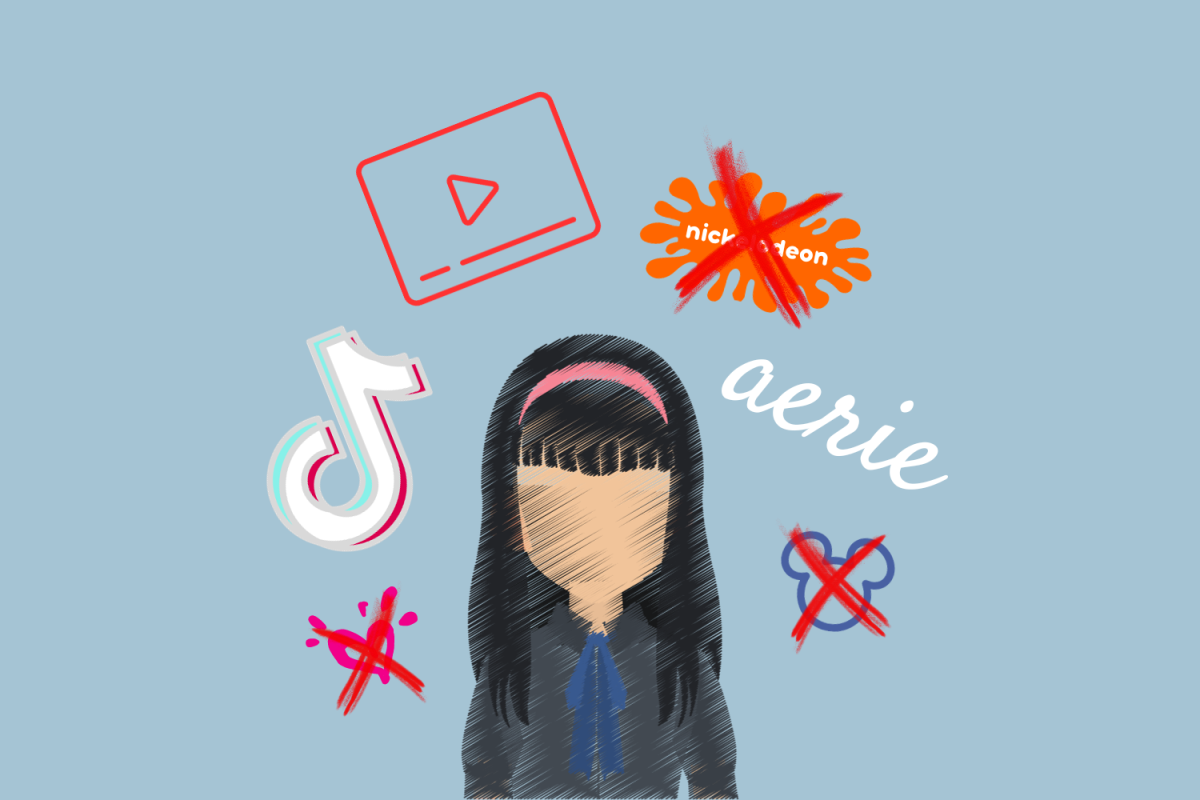
Anecdotally, I hear terms like “brain rot” and the glorification of the inability to pay attention during an academic lecture or a simple task like watching a movie. I know several people who watch films entirely through YouTube Shorts, rather than in one continuous sitting. Additionally, some of my peers struggle to read a five-page, simplistic article for homework because they are checking social media apps like TikTok between paragraphs. Stanford-affiliated undergraduate journal, Intersect, published a study involving freshman students at a public high school in Overland Park, Kansas, and TikTok’s impact on their attention spans. Two groups of students were given a set of instructions: Group A could use TikTok during a lecture while Group B could not use their phones. Both groups received a quiz after the lecture, and Group B significantly outperformed Group A. TikTok’s dopamine-driven feedback loop compromises recall and decreased retention of lecture content. In other words, real world activities are not as rewarding as watching a short video on your phone.
Even more concerning, 81% of the students acknowledged they feel less productive when they are on TikTok, but the app’s addictive nature prevents them from limiting their usage. The compulsive engagement of users and their inability to moderate themselves is often described as “doomscrolling,” a pattern of behavior that traps individuals in negative or overstimulating media. When left unaddressed or unsupervised, “doomscrolling” may worsen attention spans and fuel anxiety, especially when driven by optimized feeds on TikTok. Other research indicates that this dependency threatens mental health.
Instagram infamously contributes to eating disorders among young women by promoting unrealistic beauty standards, and TikTok poses similar risks. Certain topics contribute to toxic masculinity and inferiority. Young boys, no more than eleven or twelve years old, have looked at me directly in the eyes and said they were “bulking” and asked me for advice. Other scholars corroborate what I experienced. An article published in the Journal of Primary Care & Community Health compiled results from 26 studies involving 11,462 participants. The researchers found that frequent TikTok use was strongly associated with increased anxiety and depression symptoms in users under the age of 24. TikTok usage is determined by multiple factors: procrastination and escapism are notable behavioral motivators. People with higher levels of boredom, anxiety and depression also use the app as a coping mechanism, and the dopamine boost that the app targets can cause one not to want to engage with non-digital stimuli. Notably, one cited study claimed that 20 minutes of TikTok use led to a 12% increase in depressive symptoms and a 15% rise in anxiety levels. TikTok’s interface promotes compulsive engagement at the expense of the user.
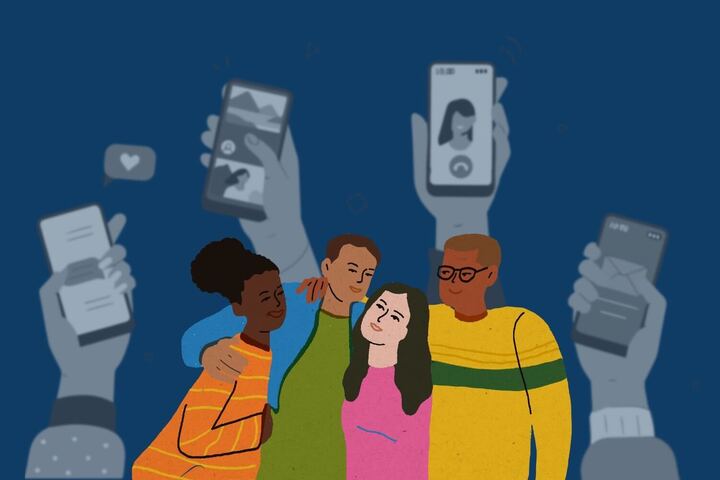
Society’s preference for phones rather than people has led to a sad term: phubbing. TikTok and social media use does not affect just the internal state of an individual user, but their offline behavior as well. People openly ignore others during conversations to check notifications or posts from various social media sites. Social media itself is a recent development in society, but the manner in which apps are used needs to be further investigated and explored in academic research to prevent users from developing depressive symptoms, anxiety and a lack of social interaction.
TikTok is an app that threatens mental health and society’s capacity for meaningful human connection. Hours lost to mindless swiping or passive consumption of reels and memes are not meaningless. Rather, those hours threaten humanity’s ability to understand oneself and others. If TikTok is banned, then society can remember the joy of a real conversation, shared excitement over something meaningful and maintaining consistent focus. Other apps threaten this idyllic society other than TikTok, namely Instagram, Snapchat and even YouTube. What makes TikTok so dangerous is its hyper-personalized algorithm, endless scrolling unlike other apps, and unfiltered content without user control. Without a destructive platform replacing curiosity with passivity and puzzlement over hours lost, we can regain our humanity. In that world, we will not need an app to tell us the meaning of comfort.