
The cruelest thing was not the rumor, but watching my strength become something to fear.
There is a poison that comes with being unapologetically yourself. Too often, authenticity is misread as weakness, and old wounds become easy targets. My visibility and conviction have always made me a strong leader — but what happens when that becomes the reason others try to tear you down?
I remember that being admitted to Vanderbilt came with many things: new stickers for my laptop, safety modules for me to complete over the summer and of course, my very own Vanderbilt email address. With that email address, I immersed myself in the world of Fizz, an anonymous platform that made it feel as though anyone could say whatever they wanted without attacking it to their name.
It was addictive. My first experiences with an anonymous platform like Fizz was YikYak during my high school Youth in Government days. The app teemed with anonymous comments ranging from calls for others to vote down specific bills to everyone buzzing about who the hot purple-pant-suited speaker of Blue House was and if she had a boyfriend. YikYak was based on geography, but Fizz had a layer of exclusivity to it; it housed only Vanderbilt students.
I’ve seen beautiful and positive messages on Fizz, like shoutouts to dining workers, reminders to love one another and, of course, others bonding over the latest gen chem exam scores. In the same vein, I have also borne witness to its darker side: relentless cyberbullying of individuals, rating others based on appearance and horrible, horrible rumors circulating. I’ve seen what that kind of platform can become at its worst.
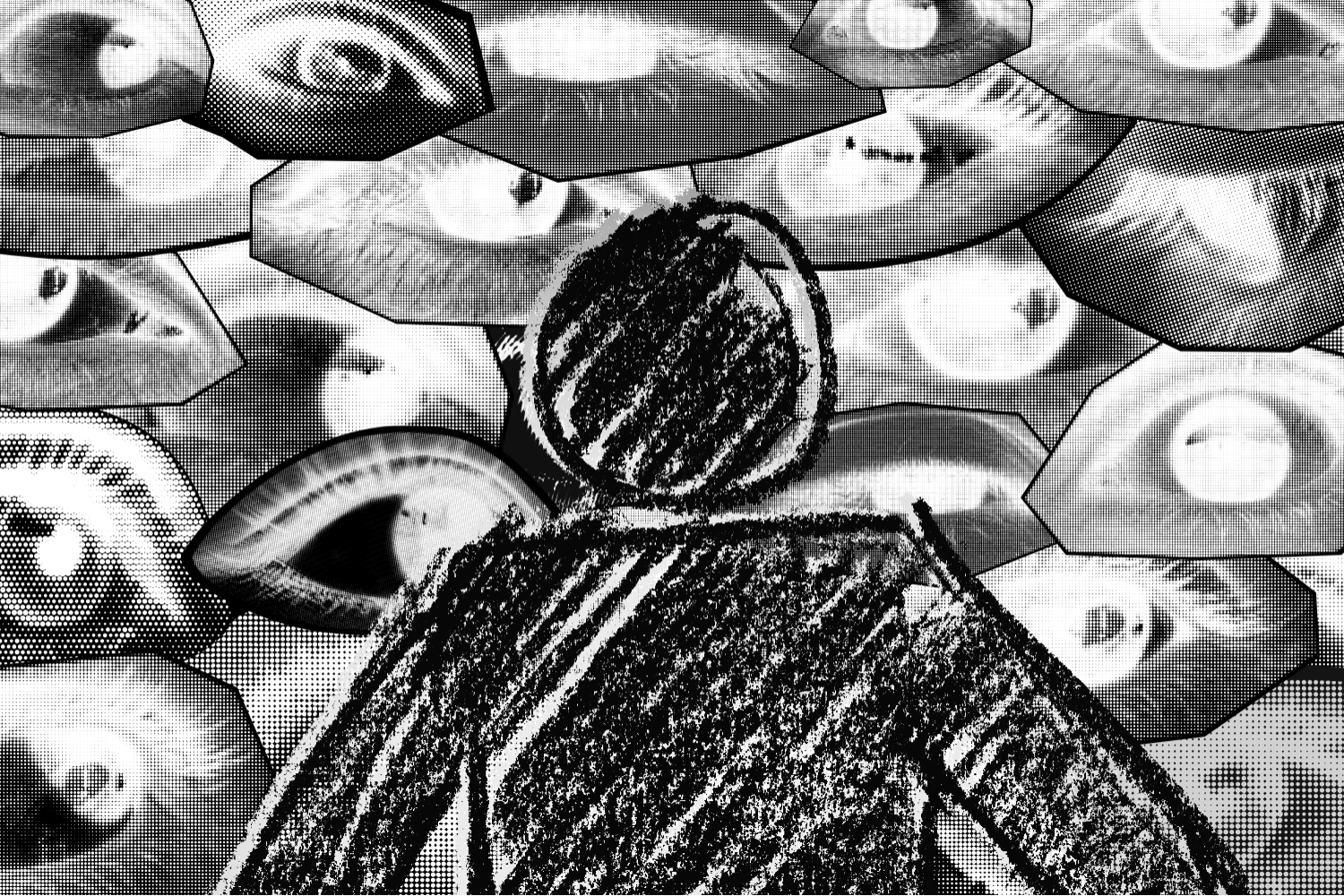
I know this because I experienced it during my own campaign for Vanderbilt Student Government. As my name became more visible, so did the cruelty that anonymity makes possible. Rumors circulated at the very moment my name became more visible, and their effect was to create doubt, weaken credibility and punish someone for being seen.
But this is not my sob story, and it certainly isn’t a sad excuse to garner pity. In fact, this experience revealed something more glaring to me: the audacity of anonymity.
There is nothing ethically neutral about spreading rumors behind a screen; anonymous defamation is still defamation, even when no one claims ownership of it. Hidden behind a screen, people say things they would never dare to attach to their own names. Speculation begins to carry the weight of fact. And the person at the center of it all is no longer treated like a person at all but a spectacle to be consumed by everyone else.
It is a sort of social isolation that no one deserves to go through. So, how does anonymity become a tool people use to justify their worst instincts?
The audacity of anonymity is not just that it hides people. It changes what they feel permitted to say. Psychologists call this the online disinhibition effect: the phenomenon in which distance, facelessness and lack of consequence make people say things online that they would never say aloud. Behind a screen, cruelty becomes easier to dress up as humor, concern or opinion.
Anonymity also breeds deindividulation, where responsibility dissolves into the crowd. No one person feels fully accountable because everyone is participating at once. Then, it becomes a war between an uneven fight: one person on one side, and a crowd on the other. Doomed from the beginning.
Anonymity does not merely conceal; it distorts. It gives people the courage to be cowardly. And it becomes addictive because the lack of consequence can make that kind of cruelty easy to repeat.
What disturbed me most was not simply that people were willing to speculate. It was how quickly that speculation became spectatorship. My life, my name and my personhood risked being flattened into something consumable. Suddenly, I could not even dictate who I was to others because the first something others heard about me was what the online entity created.
And for women, especially, visibility is a double-edged sword. To be outspoken, self-assured and publicly certain of yourself is too often read as arrogance, threat or invitation. When leadership meets womanhood, it is only admirable until it becomes too visible, too powerful or too difficult to control.
Leadership is a part of my identity. But never did I imagine it would become an avenue through which my visibility could be weaponized against me. On anonymous apps, it increased visibility that can quickly make student leaders into targets. You cannot exist freely on a campus meant to keep you safe and support your endeavors as a student if your visibility can so easily be turned against you. Because something like this can happen to anyone, I, for one, felt betrayed. The respect I had worked for over years suddenly felt vulnerable to a single imaginary of cruelty.
Smear campaigns thrive in spaces where anonymity removes accountability, and they often target people who are becoming more visible or more powerful. But the deeper danger is not just reputational harm — it is the pressure to let cruelty change who you are. True strength is staying rooted in your values even when others try to distort you. Because face it, week after week, new rumors emerge for public consumption, and life-ruining gossip only leaves a mark on those they directly impact while everyone else moves on.
And maybe that’s why this kind of social violence is so difficult to name. It leaves no bruise, no broken bone, but it bruises where no one can see. It made me question whether visibility is worth the cost. Opportunities to meet new people and share connections —things I once cherished— became moments of fear. Moments better avoided.
But we must remember never to lose ourselves in the face of adversity. There is so much about that experience I did not deserve. But rather than pitying myself, I took my hardest experience in college as a moment to learn. As a moment to understand how opportunities for college students to bond can become twisted and weaponized.
Vanderbilt, we are a community that rewards integrity and uplifts belonging and care. Those values mean nothing if we abandon them the moment a screen protects our names. Refuse to participate in rumor. Refuse to reward cruelty with attention and refuse to build community at the expense of someone else’s dignity. Do not wait until you are the one on the receiving end to understand how real this harm is.
If anonymity gave others permission to distort me, then integrity became my refusal to distort myself.

