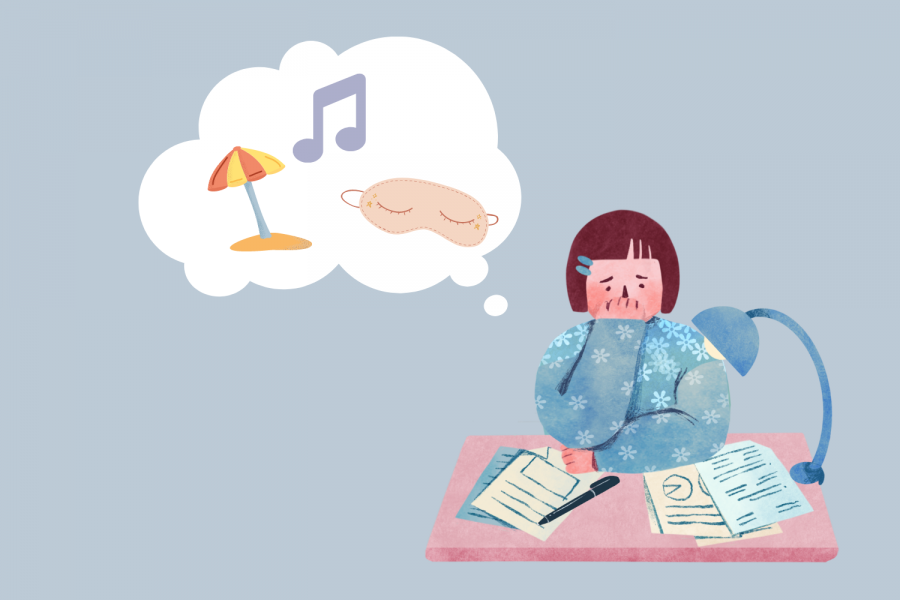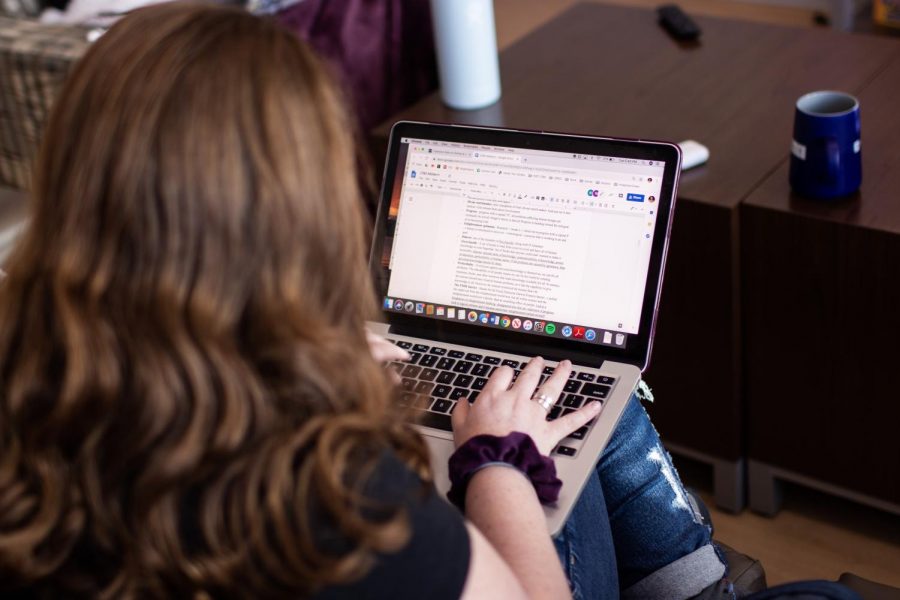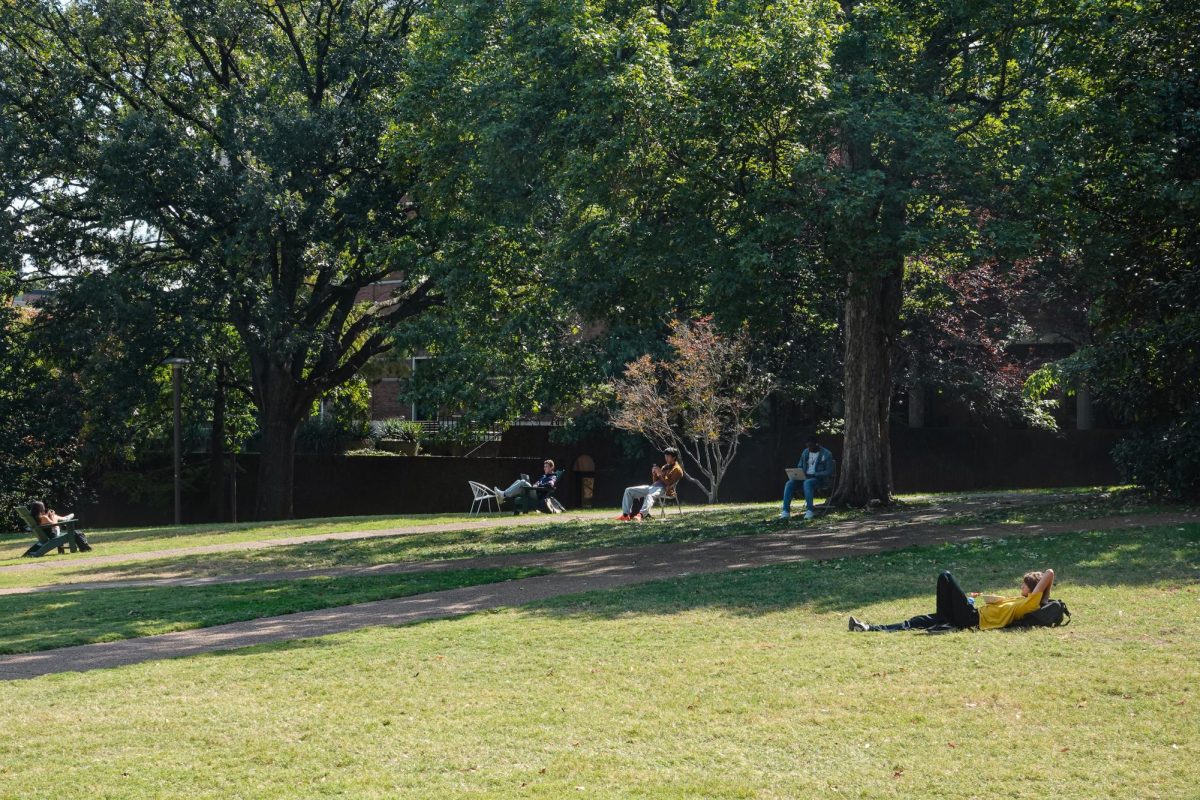

Spring semester finals are in full swing, and tensions on campus are high as the semester winds down. Our classes are closing out with final assessments to gauge how much you have really learned throughout the term. These assessments can take the form of papers, exams or projects, but it really depends on class content and structure. Many students often juggle multiple finals at once, writing papers while simultaneously making study guides. It tests our priorities and time management skills.
Some students can knock out an eight-page paper in a short amount of time, while others may spend weeks revising drafts. Students who experience test anxiety may prefer writing a paper or working on a project in lieu of taking a sit-down exam. As deadlines pile up, students remain divided in their opinions on how they would like to be evaluated.
This article examines how Vanderbilt students view the various forms of assessments during finals week, amidst the stress it brings. Preferences vary and typically reflect students’ learning styles and overall courseloads, proving there is no single method of assessment that is “the right answer.”
Exams
For some students, exams offer a clear and straightforward way to demonstrate what they have learned.
Sophomore Zach Pasternak prefers taking exams and encounters them frequently with his major.
“I like exams because when they’re over, you are free and can relax. With my major [medicine, health and society], we don’t really have papers or projects,” Pasternak said. “With papers, I feel like I am constantly having to re-write or re-work it with professors.”
For students in exam-heavy disciplines, tests can feel more predictable and offer them more control. Instead of managing long-term assignments, the focus can remain on preparing a single moment of performance. Others may simply be good at short answer questions but overthink multiple-choice answers during tests.
Papers
Others prefer papers, which allow for more flexibility and control over how they approach the assignment.
At Vanderbilt, students in humanities-focused fields often welcome writing assignments, enjoying the tedious work and challenges they bring. Papers can provide more room for original, analytic thinking to prosper compared to a sit-down, timed exam.
Cece Erhart, a sophomore studying human and organizational development, had a change of mind in her preferences while in college.
“I used to love to write papers because exams really stressed me out. Papers gave me freedom and time to do it on my own, deciding myself when I felt like it was good to submit,” Erhart said. “But recently, with the rise of AI, you never feel like your paper is good enough or finished. So now I kind of enjoy exams; it’s clean and simple.”
While papers offer flexibility, they can also extend the stress out over longer periods of time. For students in STEM-related fields, papers may barely come up unless it is in an elective course.
Projects
Projects can be a blessing and a curse. What is important to examine when evaluating the pros and cons of them is starting with whether it is a group or individual project. Some people excel working on a project alone. Although it can be tedious work, it can also be fun and allow you to apply the course material in creative forms with more choice at your discretion. Others may enjoy cooperating on group projects with other classmates, dividing up responsibilities so the work feels less daunting.
Freshman Chloe Lee, studying English, prefers to take on a project.
“I prefer projects over papers and exams,” Lee said. “Papers take a lot of brainpower and tests are stressful. When done right, group projects are easy and a fun time and may be graded easier.”
Across all three formats, preferences depend on more than just the assignment itself. A student’s major, workload and learning style all influence which type of assessment feels most manageable and enjoyable. What works well in one class may feel more challenging in another, especially when you have multiple formats overlapping at once during finals season. Each measures our abilities differently, ranging from recall ability to collaboration, with their own advantages and challenges. For many students, the combination of all three compared to one consistent format alone may be what best reflects their learning.