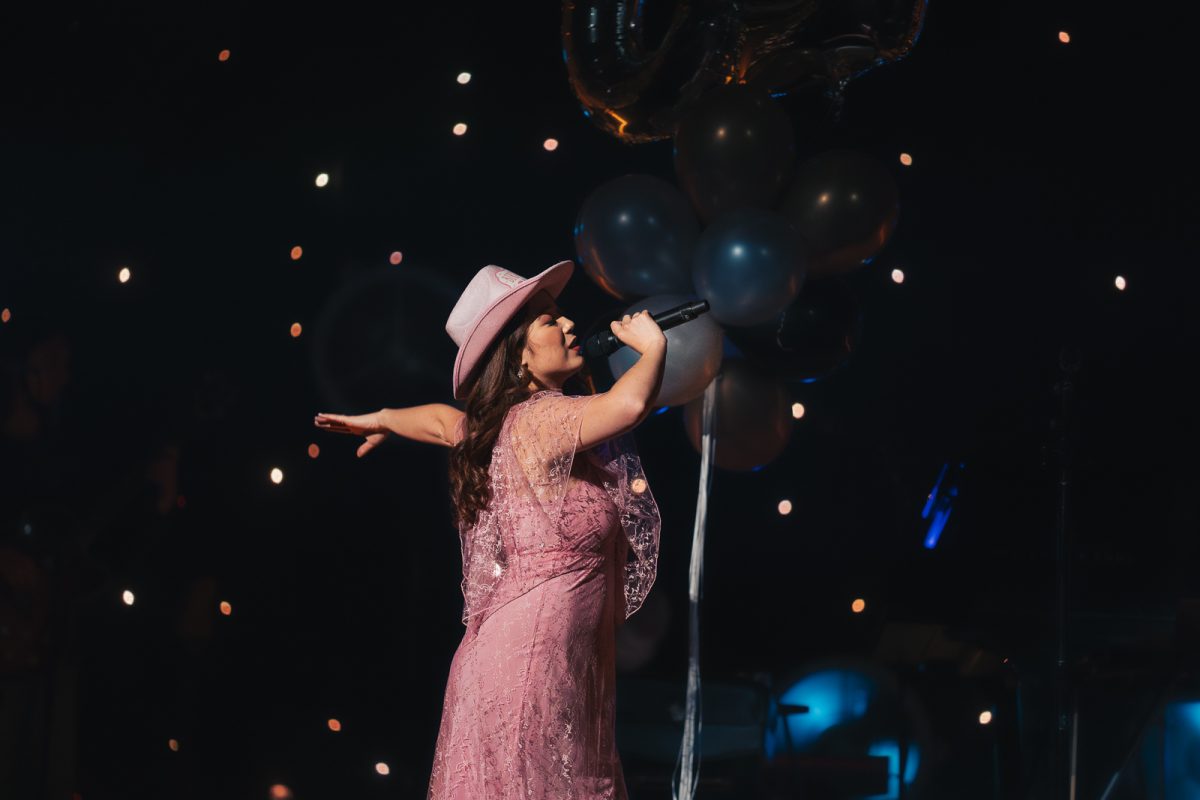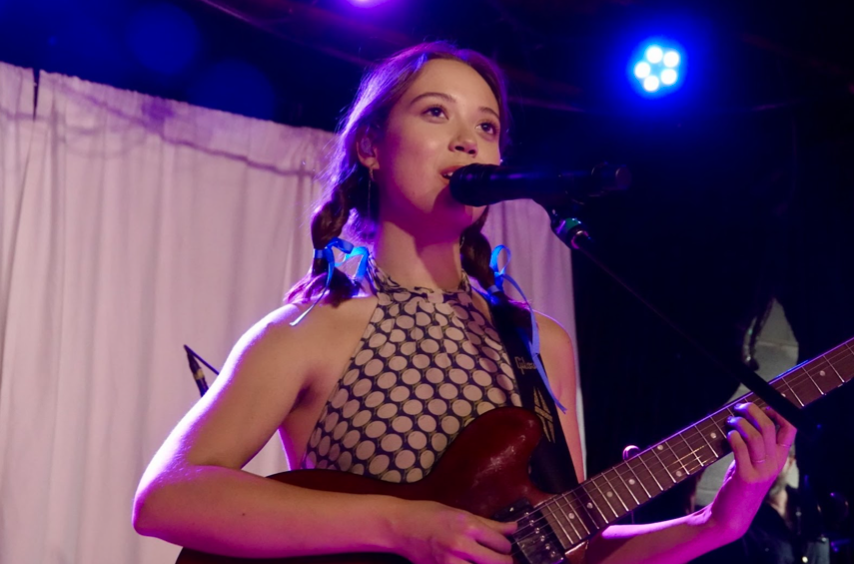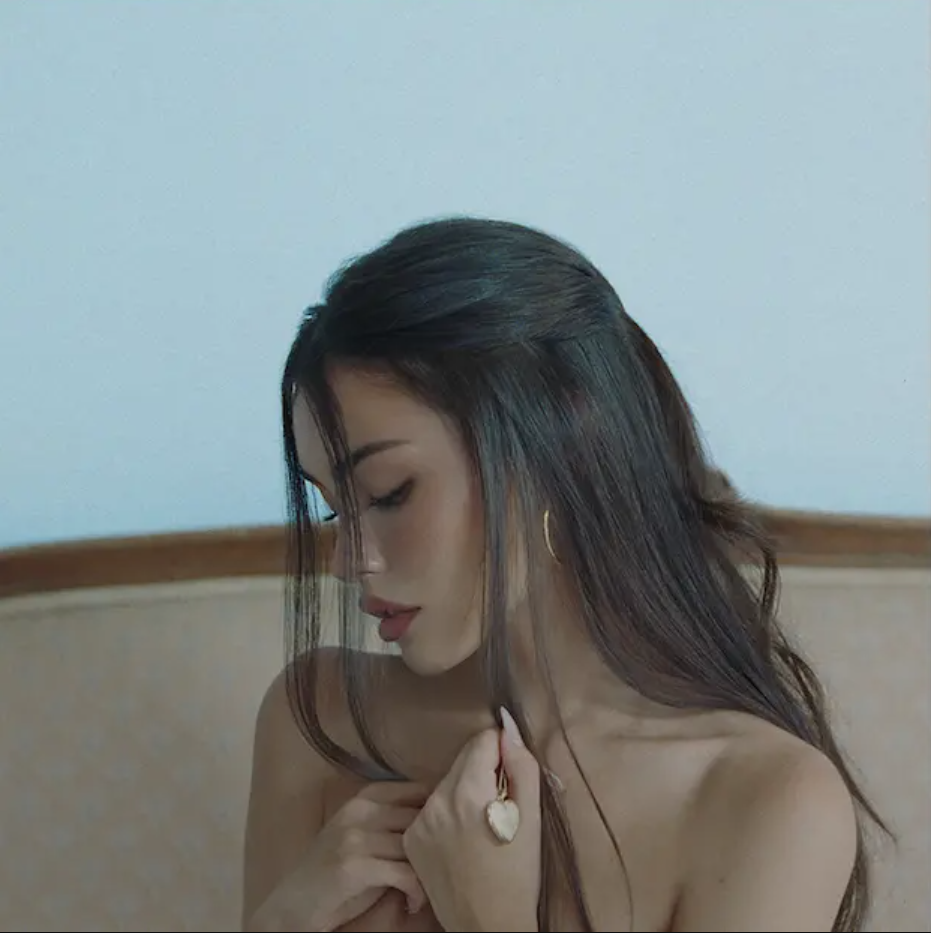


In a musical world often dominated by maximalist pop and moody indie rock, Laufey continues to carve out a space uniquely her own, bridging classical jazz with youthful introspection. On Aug. 22, Laufey returned with “A Matter of Time,” her third studio album, released via Vingolf Recordings and AWAL.
Across 14 tracks, the Icelandic-Chinese artist continues to blur the lines between jazz, classical and contemporary pop, creating a sound that feels both nostalgic and utterly new. Known for her orchestral arrangements and diary-like lyricism, Laufey crafts an album that leans deeper into fairytale imagery, theatrics and the ache of growing up.
Following the massive success of 2023’s “Bewitched,” which cemented Laufey’s status as a Gen Z icon, “A Matter of Time” expands her world with a sweeping, cinematic meditation on love, loss, femininity and fantasy, all delivered with her signature charm and cinematic flair.
“Clockwork”
Laufey opens “A Matter of Time” with “Clockwork,” a jittery, whimsical track that captures the breathless chaos of falling for someone you swore you wouldn’t. The song begins with chimes, before Laufey admits, almost sheepishly, “Swore I’d never do this again / Think that I’m so clever, I could date a friend.”
There is a nervous humor woven through the verses. She’s self-aware, overthinking and second-guessing, yet the chorus lands with a rush of inevitability: “But like clockwork, think he fell in love with me.” The clockwork motif becomes both playful and fatalistic. It’s an opening that sets the tone for the album that is romantic and self-reflective.
“Lover Girl”
“Lover Girl” is Laufey at her most dizzying, both musically and emotionally. Set against a whimsical, upbeat jazz backdrop, the song captures the unraveling of independence in the face of obsessive love.
“This skyscraper’s causing vertigo / The countdown begins in Tokyo” opens the track with jet-lagged romance and disorientation, and from there, she spirals into longing. The lyrics chronicle a self-aware descent into codependency: “The independent lady in me is nowhere to be found.”
What could have been a classic lovesick ballad instead becomes something sharper. She waits by the phone “like a high school movie,” hallucinates her lover in the wings and calls it exactly what it is: “a curse to be a lover girl.” Laufey exposes the emotional toll of becoming consumed by someone else. It’s light, jazzy, even cheeky at times, but underneath, it’s a smart reflection on the loss of self in love’s grip. Romantic, yes. But also, quietly tragic.
“Snow White”
“Snow White” is Laufey’s most vulnerable offering yet: a haunting ballad about self-worth, body image and internalized beauty standards. Stripped back and aching, the song delivers gut punches in soft, honest lines: “A woman’s best currency’s her body, not her brain / The world is a sick place, at least for a girl.”
Laufey does not just critique societal pressure; she lets us hear how deeply it sinks into her own self-perception. The titular Snow White isn’t a fairytale aspiration here but a haunting comparison. Filled with quiet envy and pain, Laufey imagines an ideal version of herself that fits the mold: smaller, fairer, more “worthy” of love and success. “Snow White” is somber and spare. It’s a track that speaks to any listener who has ever felt like they will never be enough in a world that demands perfection.
“Castle In Hollywood”
‘’Castle in Hollywood’’ is about the grief of a friendship’s collapse. Laufey recalls the implosion of a once untouchable bond, the kind of friendship that felt like family. The song circles around the mystery of what exactly went wrong: “I rack my brain, spend hours and days / I still can’t figure it out / What happened that year in our house.”
The chorus strikes with devastating nostalgia: “It’s heartbreak / Marked the end of our girlhood / We’ll never go back to our castle in Hollywood.” The shared castle becomes a symbol of innocence lost, a place they cannot return to.
There is bitterness but also tenderness here. She admits she still wants to share clothes and wishes things had turned out differently. Lines like “I wish I could tell him about us / I wish I could tell you how I finally fell in love” turn into a letter never sent. By the end, Laufey leaves us with one of her sharpest parting shots: “The best worst friend I’ve ever had.”
“Carousel”
On “Carousel,” Laufey casts her life as a circus that is chaotic, dazzling and impossible to escape. “My life is a circus / Hold on for all I bring with me,” she sings, apologizing to the new love interest swept along for the ride.
The chorus spins with her: “Carousel spinning around / Nowhere to go / Will you break the spell? / Tether me to your ground.” By the end, her vulnerability turns into regret: “Aren’t you sorry that you fell onto this carousel?” “Carousel” is a tender track that shows love as both anchor and illusion.
“Silver Lining”
“Silver Lining” is a track that is deceptively light in tone and brilliantly subversive in content. With whimsical strings and a jazzy bounce, the song charms the ear, but a closer listen reveals something darker and more rebellious: “I’ve been falling in bad habits, staring into the abyss / Drowning in red wine and sniffing cinnamon.”
The opening lines set the tone: playful, poetic and tinged with chaos. Laufey blends childlike mischief with adult indulgence. It’s a portrait of romantic dysfunction and growing pains wrapped in a candy-colored melody. Instead of promising forever in heaven, she flips the trope: “When you go to hell, I’ll be there with you too / The silver lining’s I’ll be there with you.”
The bold theatrical twist reframes loyalty as a shared descent rather than salvation. This song feels like dancing through a storm, together with someone who is just as bad for you as they are perfect.
“Too Little, Too Late”
One of the album’s most cinematic moments and a favorite of mine, “Too Little, Too Late” is a grand, aching proclamation of love that arrives when the door is already closed. Laufey positions herself as the jester watching her former lover fall for someone who feels like royalty.
The chorus swells with desperation — “To hear you scream my name / Your smile still kills the same” — as she admits the chase is futile, her words collapsing under the weight of time. The strings and piano build like a confession that never reaches its listener. It is both theatrical and devastating, a reminder that sometimes love is not undone by lack of feeling but by timing.
“Cuckoo Ballet (Interlude)”
Whimsical and light as air, “Cuckoo Ballet” pirouettes like a mini fairytale. Its lifting melodies recall “The Nutcracker,” carrying the listener on a dreamy, playful adventure through twinkling notes and delicate rhythms. Both peaceful and hopeful, it feels like opening a snow globe before the album sweeps back into heavier themes.
“Forget-Me-Not”
“Forget-Me-Not” is Laufey’s most poignant farewell, not to a lover, to her homeland. Over gentle piano and soaring strings, she weaves English with Icelandic phrases, turning the track into a ballad for Iceland. The refrain, “Gleymdu mér aldrei þó ég héðan flýg / Gleymdu mér aldrei, elskan mín” (“Never forget me even if I run away / Never forget me, my love”), captures both the ache of departure and the hope of remembrance.
Unlike her more diaristic songs, this one feels mythic. Laufey conjures the cold winds, black sand beaches and mountain air of her childhood, mourning what she left behind to pursue her dream. In the second verse, she admits: “Millions now hear my soliloquy / I’m still that child on a black sand beach.” This confession is how success cannot quiet the longing for home. By singing in Icelandic, her mother tongue, Laufey roots the album in the place that made her, even as she mourns the cost of leaving it.
“Tough Luck”
Fast-paced, fiery and razor sharp, “Tough Luck” is Laufey’s most cutting and my favorite track. Backed by the brisk strings and biting wit, she dismantles a past relationship with precision: “You think you’re so misunderstood / The black cat of your neighborhood.”
The tempo mirrors the urgency of finally saying what needed to be said after enduring ego, lies and emotional manipulation. Laufey pulls no punches as she exposes performative masculinity and quiet cruelty — “You demoralized, effaced me just to feed your frail ego” — with a theatric flair that feels both cathartic and clever. The song’s standout moment? A gleeful jab at a previous partner’s cheating past: “Just like you did to the actress before me — oops, she doesn’t even know.”
Unlike her softer songs, “Tough Luck” thrives in its snappy structure and lyrical venom. It’s Laufey’s version of a mic drop: elegant, scathing and endlessly replayable. A clear fan favorite and emotional high point of the album’s first wave.
“A Cautionary Tale”
“A Cautionary Tale” feels like Laufey turning her diary into a fable. She frames her heartbreak as the danger of giving too much away in the name of love. The opening verse sets the stage like a parable: “Oh, heavens, hear my story, a cautionary tale / Of how I came to be loved, and how it came to fail.”
The strings climb and swell like a mountain beneath her voice, highlighting the emotional altitude of the story she’s telling. It’s a song about losing sight of dignity, about how her “chameleon heart” absorbed the draining energy of the wrong people until she was unrecognizable to herself.
Laufey calls this heartbreak “the performance of a lifetime.” Love here is both stage and battlefield. “A Cautionary Tale” is both advice and exorcism: a reminder that the price of love shouldn’t be self-erasure and a warning to anyone who might follow her path.
“Mr. Eclectic”
“Mr. Eclectic” is a sharp stab at self-proclaimed intellectual men who use poetry, philosophy or obscure references as a performance to impress women. With tongue-in-cheek humor, she dubs him “Mister Eclectic Allan Poe,” immediately skewering the faux-literacy mystique.
Calling out posers who mistake condescension for charm, the song layers smoky strings over her sly delivery. It is both playful and biting, the kind of satire dressed up as jazz elegance. She turns the eye roll into an art form, mocking the archetype of men who mistake pretension for personality. “Mr. Eclectic” is a cutting wink, proof that Laufey does not just write about love’s heartbreaks but also chronicles its absurdities.
“Clean Air”
“Clean Air” is Laufey’s purge, a cleansing ritual of sageing and dusting against the bleak Icelandic winter. With only three hours of sunlight, she sings of a depression deepened by a toxic lover, with “tiny comments ricocheted like bullets.”
But the chorus shifts into liberation: “Get the f— out of my atmosphere / I’m breathing clean, clean air.” Strings swell as if carrying her into brighter skies. It’s raw, brutally honest, yet defiantly hopeful.
“Sabotage”
The album closes with Laufey turning the knife inward. Over the fragile piano, she confesses to being her own worst enemy by sabotaging love before it can root. “It’s just a matter of time ‘til you see the dagger” she warns, a refrain that makes self-destruction sound inevitable.
The track moves from soft, mournful keys into a storm of orchestra, as if her private spiral has grown too large to contain. It is riveting, tragic and the perfect grand finale: a love song turned elegy, leaving the listener suspended in her ruin.
With ‘A Matter of Time,’ Laufey solidifies herself as a masterful storyteller, blending jazz, fairytale whimsy and raw emotion into a 14-track journey. From the playful introspection of “Clockwork” to the haunting finale of “Sabotage,” the album displays love, loss and self-discovery with elegance and honesty. Laufey’s delicate yet commanding voice carries both vulnerability and wit, making this collection a definitive statement of her artistry and a testament to her unique place in contemporary jazz-pop.