
Every two years, the Venice Biennale, brings together artists, curators, scholars and cultural institutions from around the world for one of the world’s most influential contemporary art exhibitions. Vanderbilt became part of that story this year. The university’s presence began with María Magdalena Campos-Pons, who founded the Engine for Art, Democracy and Justice and serves as Cornelius Vanderbilt chair of fine arts, and Kamaal Malak — artist, musician and professor of culture, advocacy and leadership.
The exhibition was shaped by Koyo Kouoh, the influential Cameroonian and Swiss curator whose appointment made her the first African woman to lead the Biennale’s international exhibition in its more than 130-year history. Throughout her career, Kouoh championed artists and histories often overlooked by major cultural institutions, helping broaden which stories were represented on the global stage. Following her passing in May 2025, the 2026 Biennale carried forward the final curatorial vision of one of contemporary art’s most influential voices.
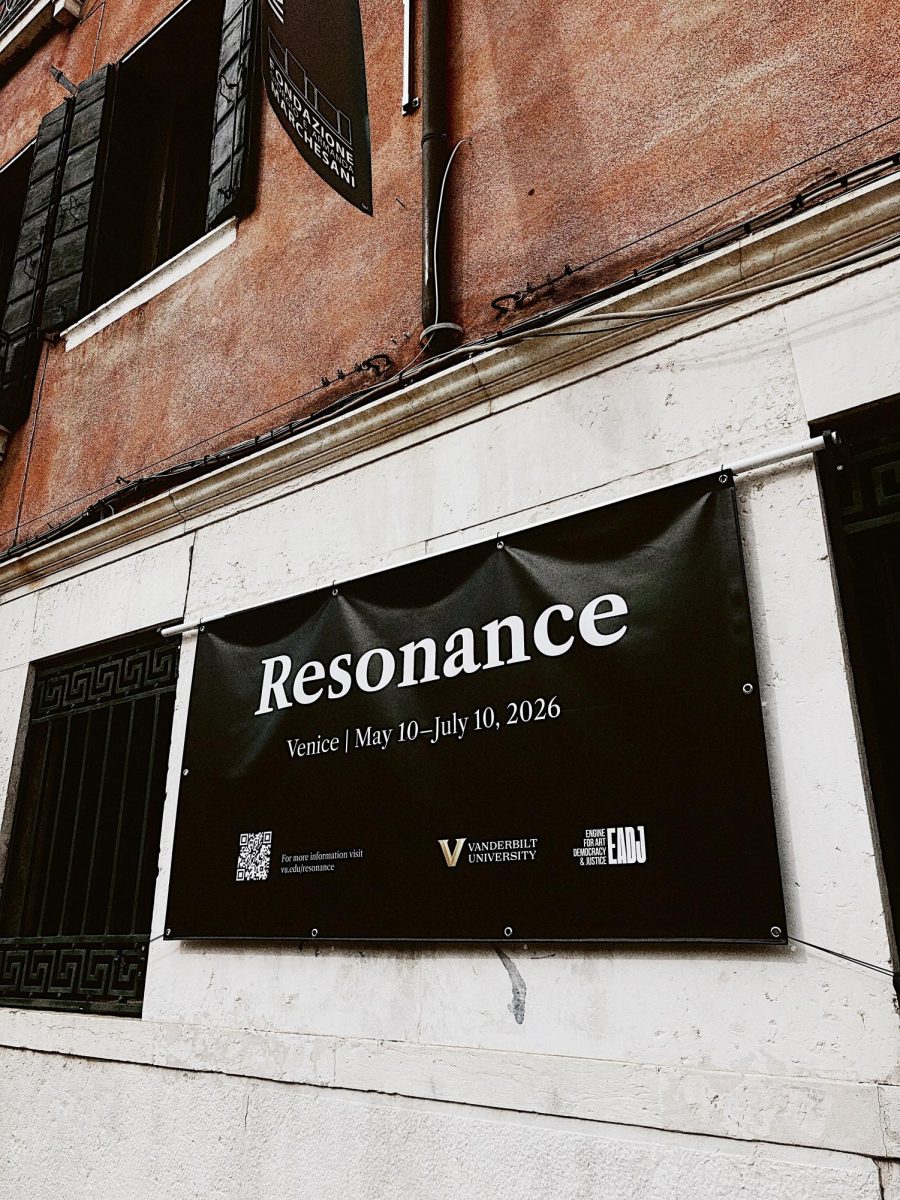
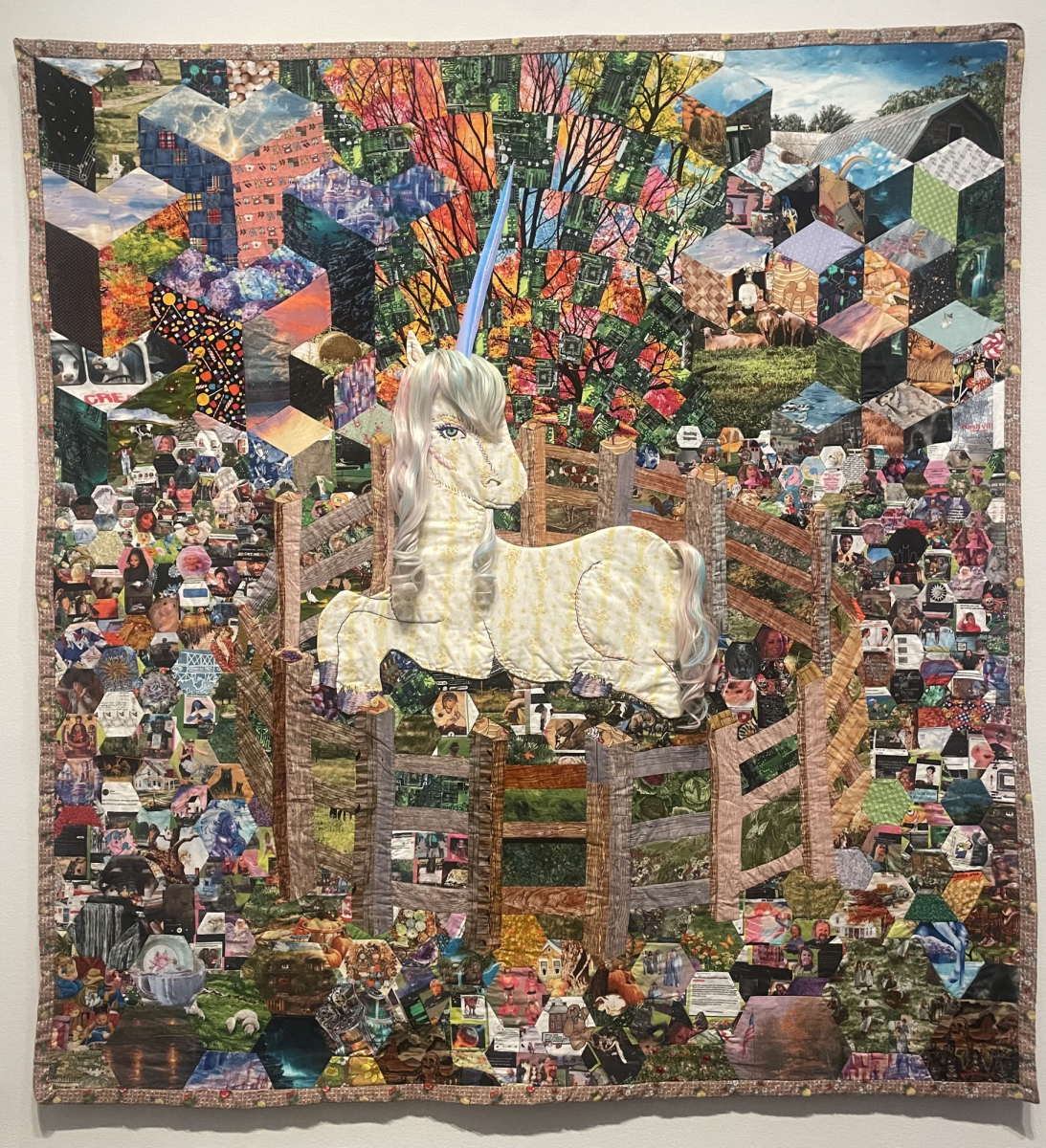
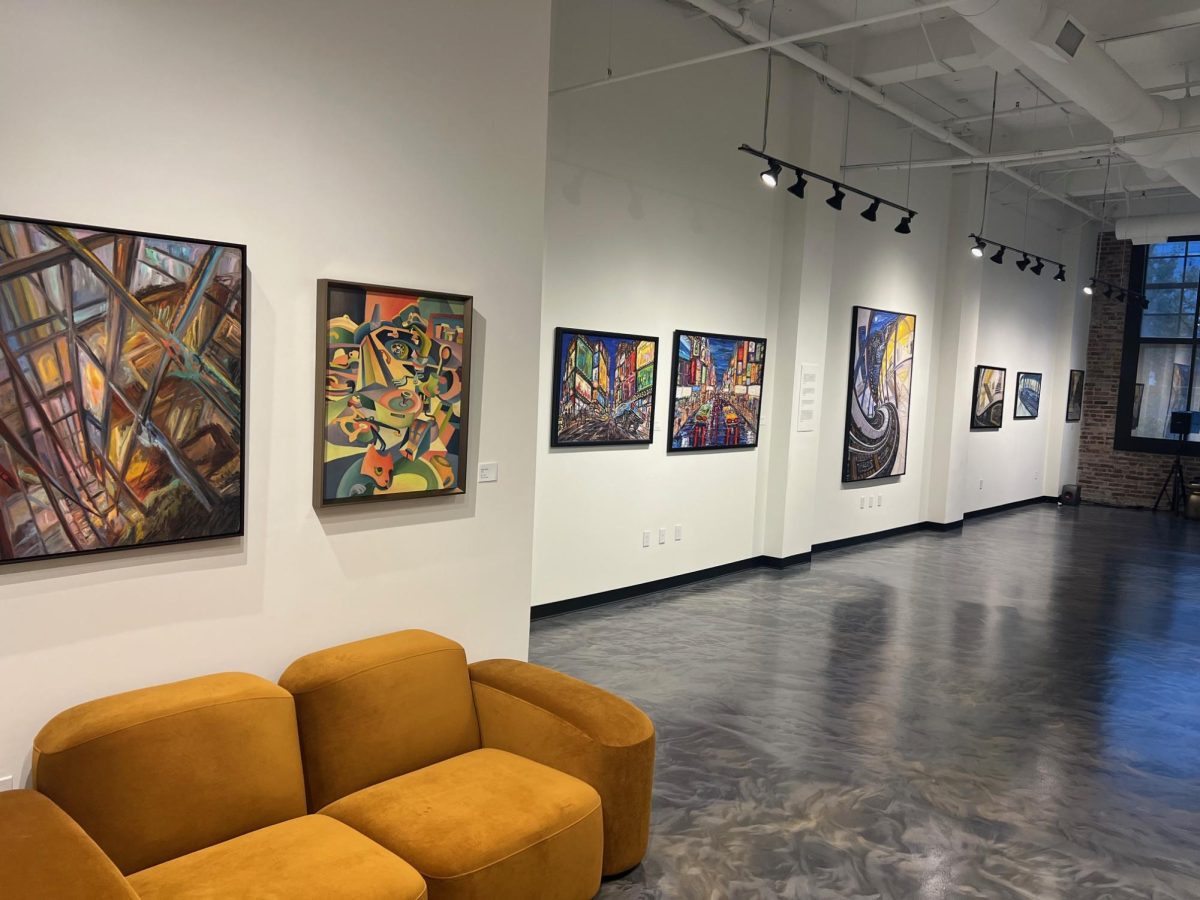
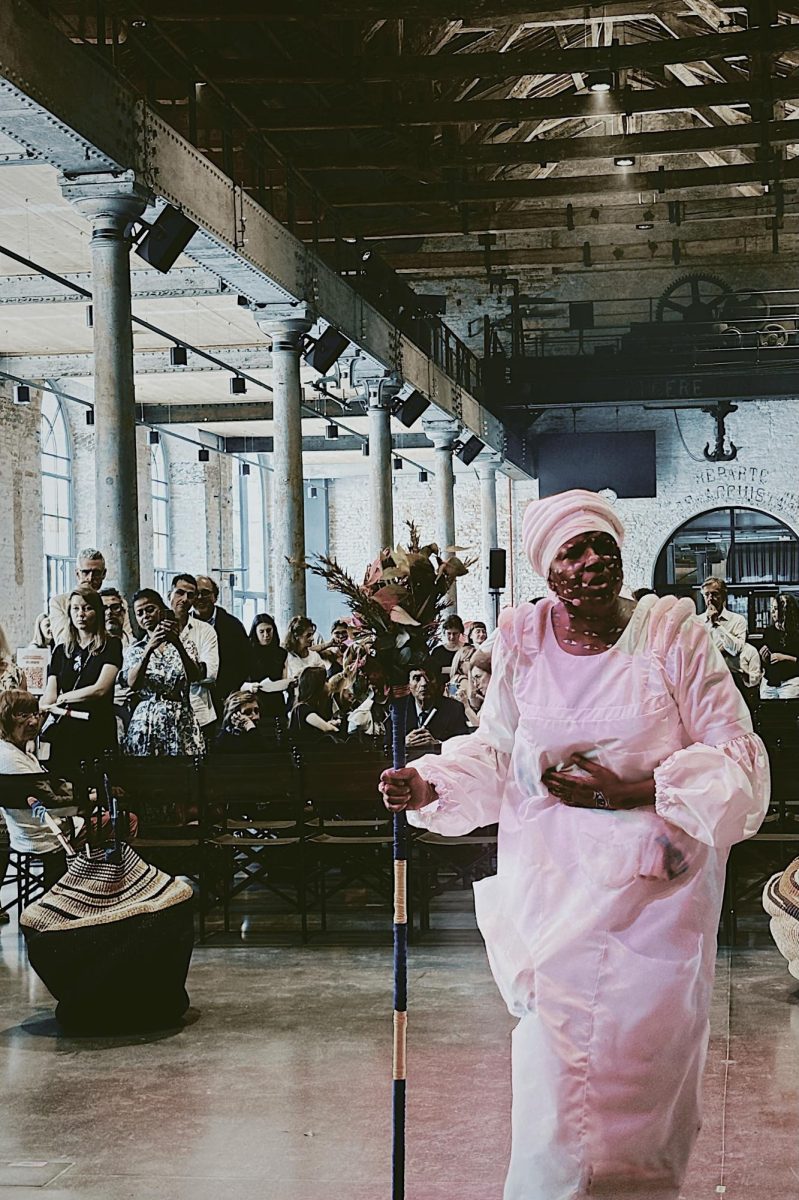
Building on that participation, Vanderbilt’s Engine for Art, Democracy and Justice presented Resonance at Fondazione Giorgio e Armanda Marchesani. Led by María Magdalena Campos-Pons and Kamaal Malak and curated by Grace Aneiza Ali and Selene Wendt, the project brought together artists, scholars, musicians, students and alumni. Through these exchanges, Resonance explored how migration, memory and cultural inheritance shape the way people understand themselves and others, inviting audiences to consider how traditions endure as people move across borders and generations.
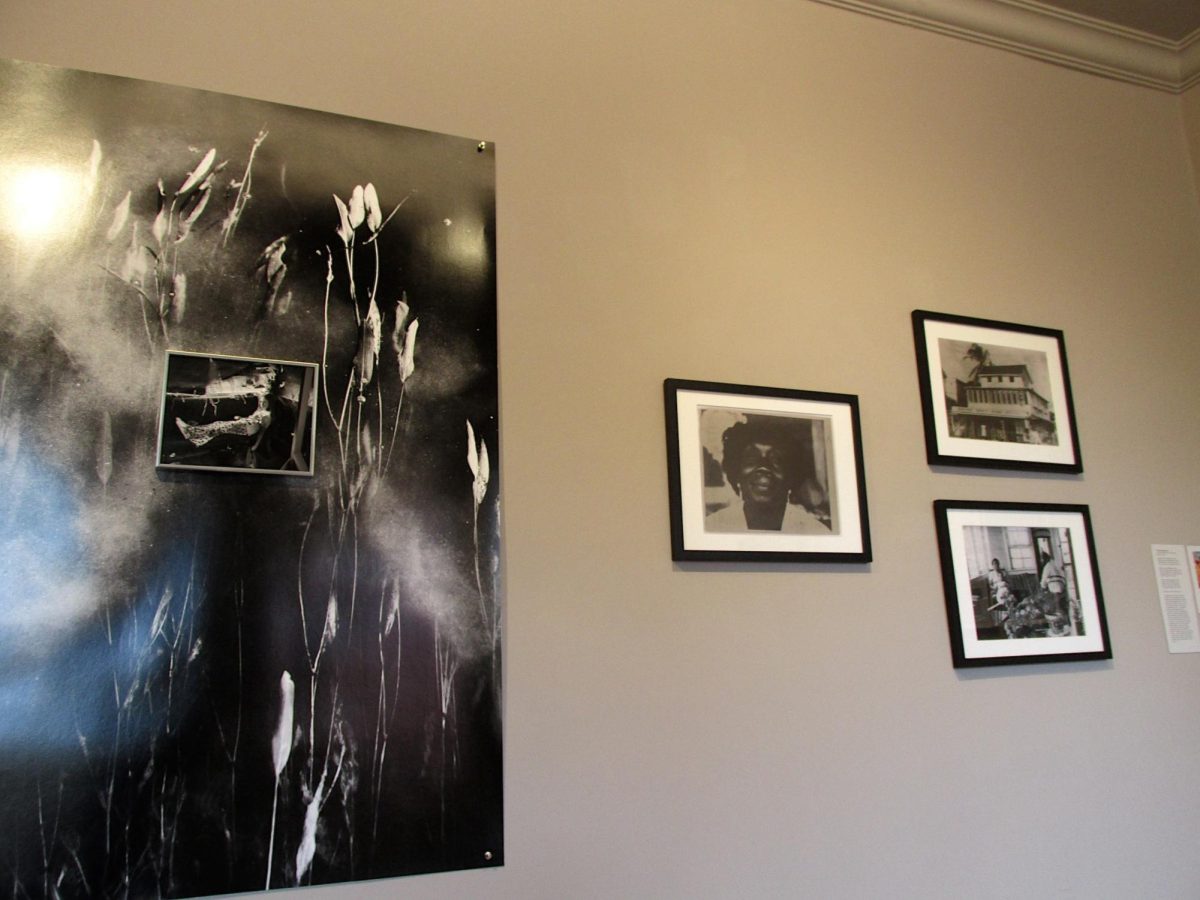
Through EADJ’s micro-residency program, Vanderbilt students spent a week supporting “Resonance” while engaging with the Venice Biennale through gallery work, curator-led tours, public programs and visits to the Arsenale and Giardini exhibition grounds. Working within the exhibition placed students in conversation with the artists, curators and scholars shaping it, creating opportunities to exchange ideas, ask questions and share experiences beyond the structure of a classroom. As those conversations deepened throughout the week, a Vanderbilt community took shape nearly 5,000 miles from Nashville.
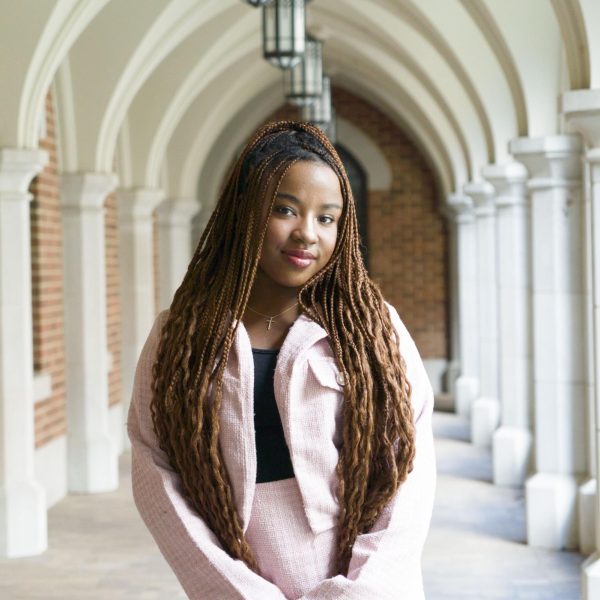
That community also included Vanderbilt alumni who returned to Venice as contributing artists. Among them was Olivia Forrester, a 2022 Vanderbilt studio art graduate and photographer featured in Resonance. “Being able to be in the same show as them has been such a great honor and just reconnect with them as more of an adult or more of a professional has been really special to me because those were strong relationships while I was in school,” Forrester said.
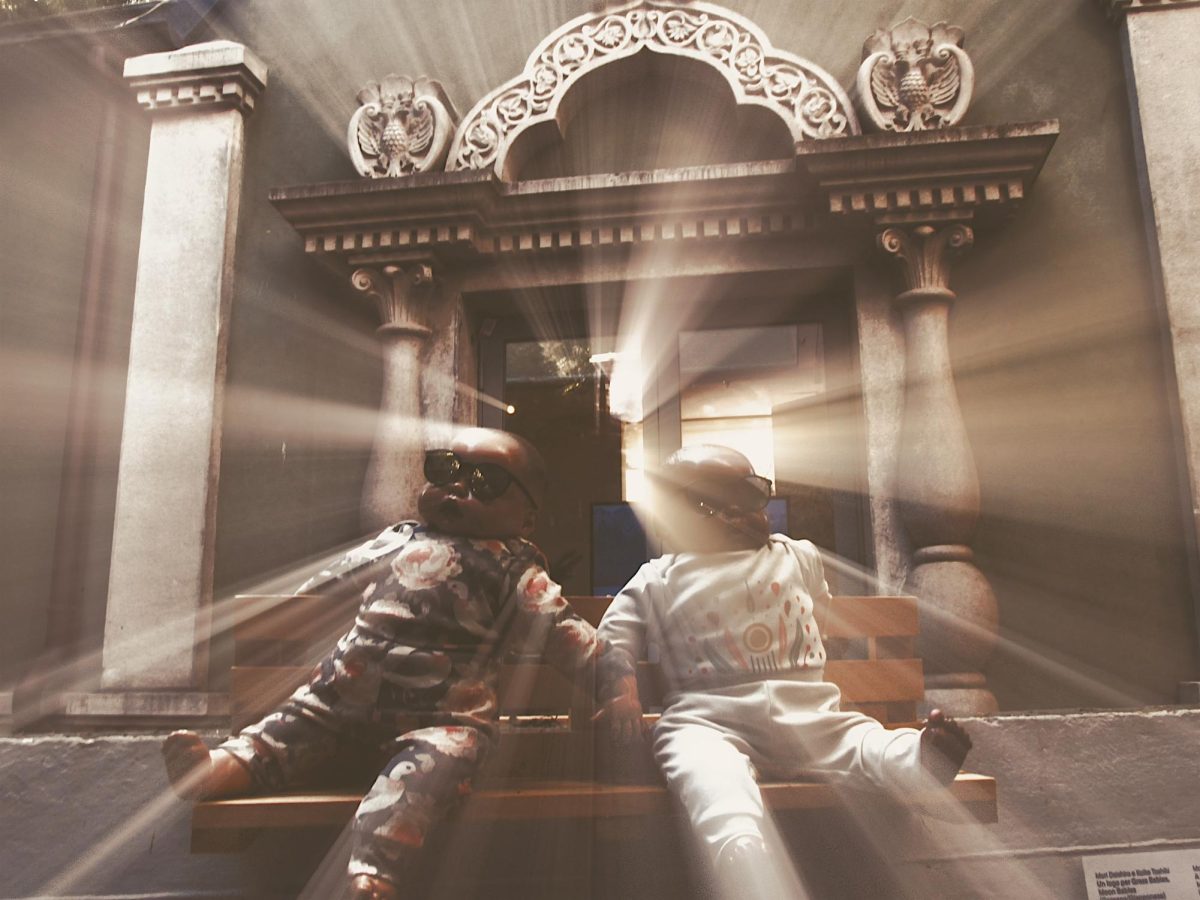
Some artworks ask for your attention. Others follow you long after you’ve left. The Japan Pavilion belonged to the latter. In Ei Arakawa-Nash’s Grass Babies, Moon Babies, the sound of crying babies echoed through the exhibition as visitors carried dolls through the space. The installation emphasized a question that lingered throughout the pavilion: What will future generations inherit from us? Across Venice, Vanderbilt’s Resonance project brought artists, scholars and students together to explore inheritance, memory and the stories passed between generations. In the Japan Pavilion, those ideas took shape in visitors’ arms.
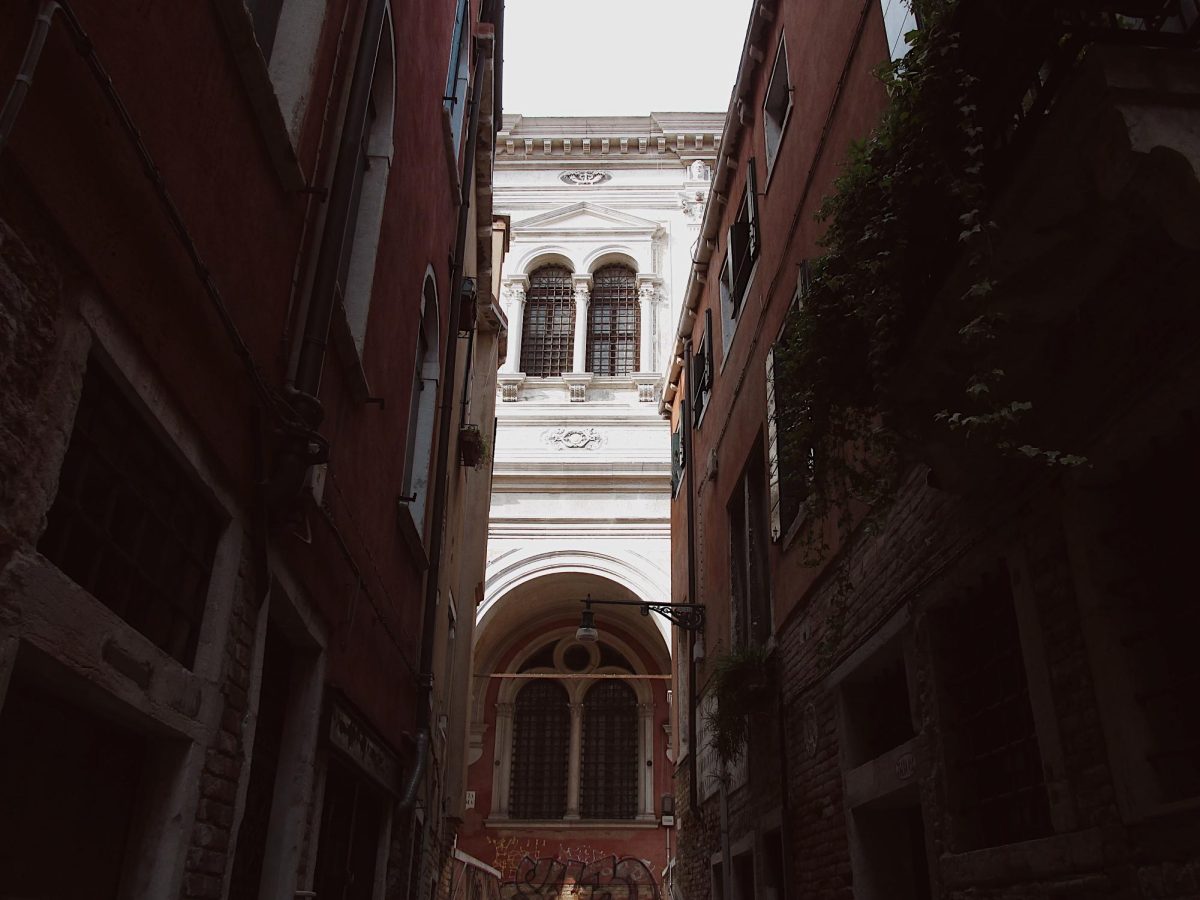
Beyond the Biennale, Venice became a place of artistic exchange that extended into everyday life. Forrester said photographing the city encouraged her to look beyond its landmarks and experience it through the people who lived there. “The city is so much more than the main sites and what you see when you’re there for a few days. I was able to work on a personal project doing a photo essay of Venice, and I tried to get to the root of what it feels like being in Venice once you’re more immersed, not looking at it from the outside as a tourist. I think the community there is really, really special, and it was an honor to be a small part of that while I was there,” Forrester said.
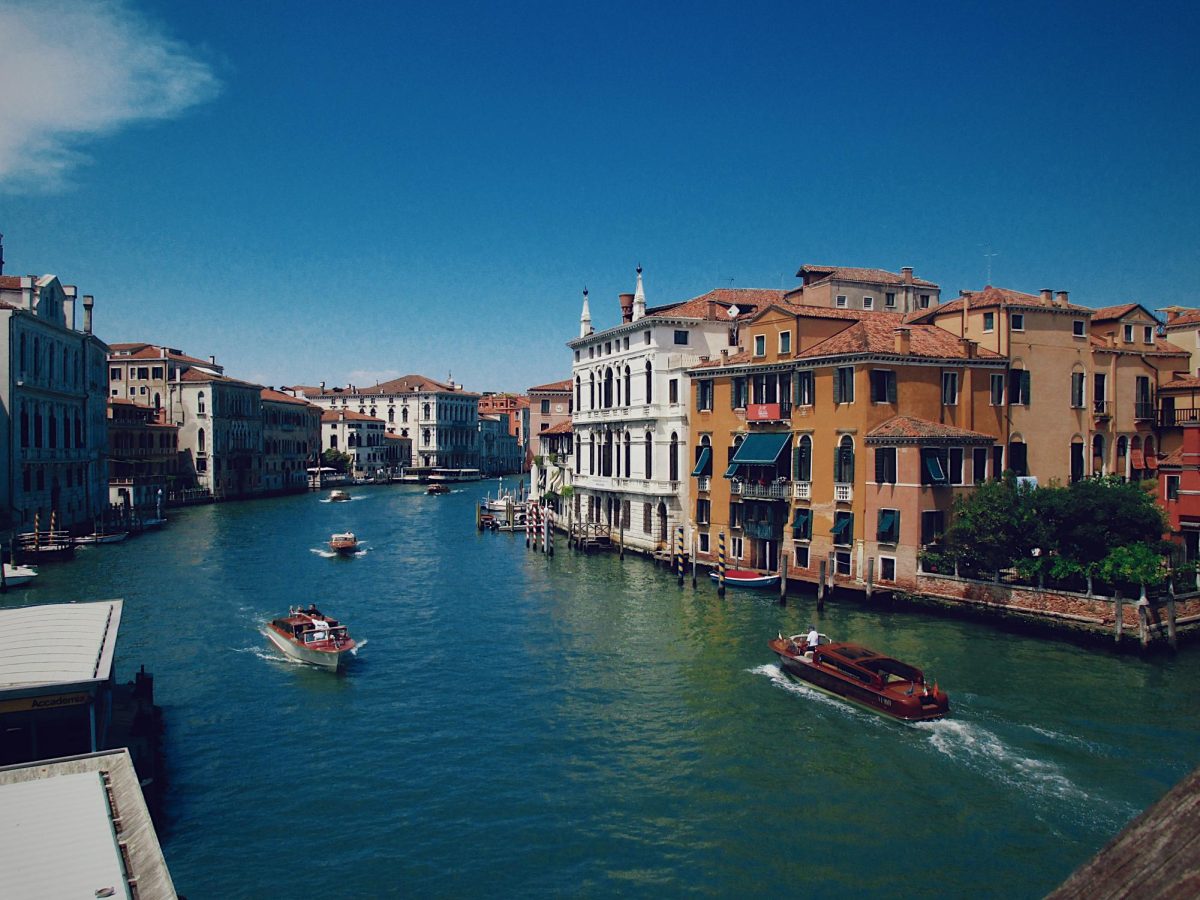
Venice reshaped my sense of distance. Each morning began with a walk. Bridges replaced sidewalks. Canals replaced roads. On the way to an exhibition, gallery shift or pavilion, live jazz drifted across the water, bakers arranged pastries behind glass and apartment windows stood open to the morning air. Centuries ago, merchants crossed these same canals carrying silk, spices and glass. During the Biennale, visitors crossed them carrying exhibition maps, camera straps and conversations that continued long after they stepped ashore.
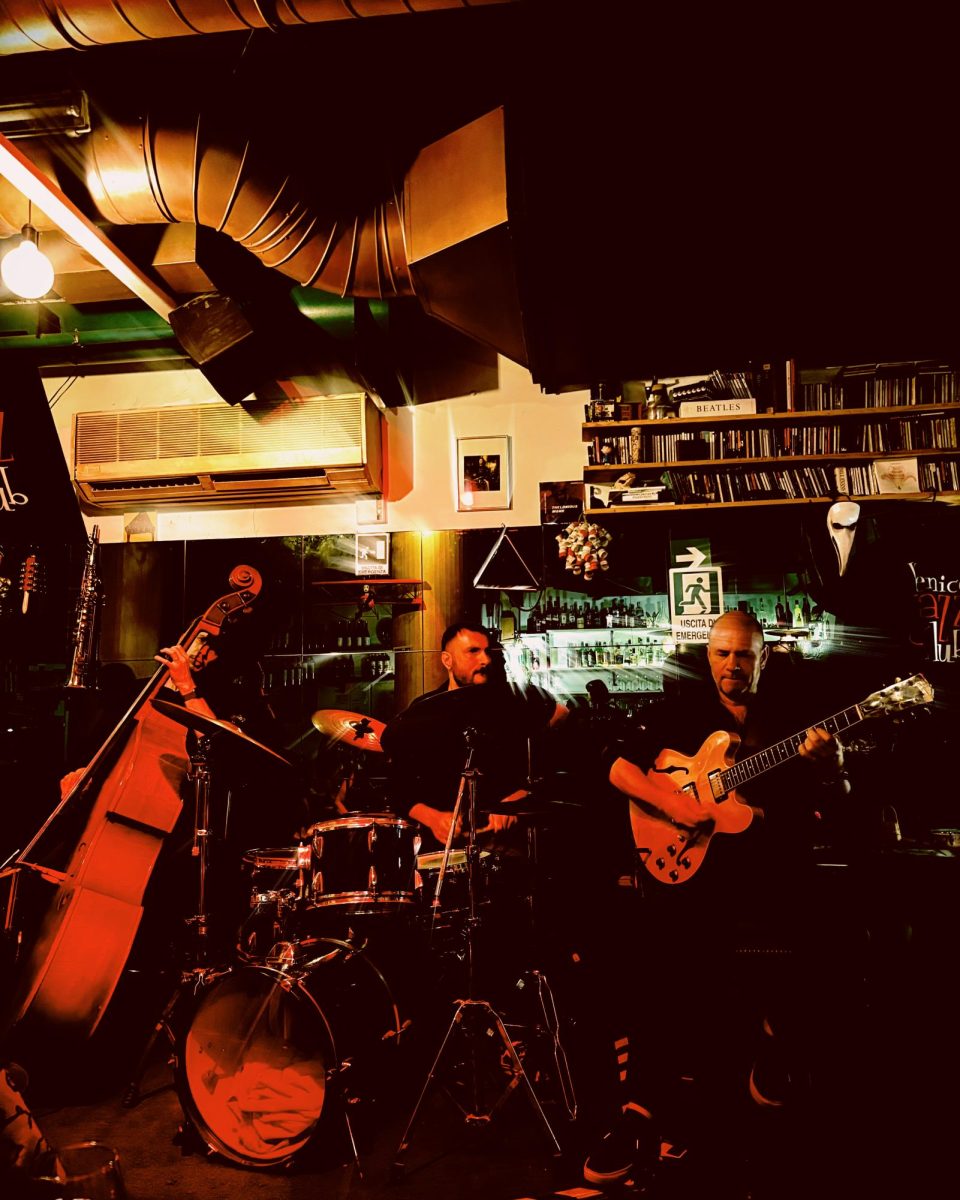
A woman watering plants from a second-story window. Laundry suspended above a narrow passageway. Footsteps crossing stone that generations of others had crossed before. Over time, the city revealed itself through accumulation. Each photograph became a record of the ways daily life persisted alongside the international art world that had temporarily gathered there.
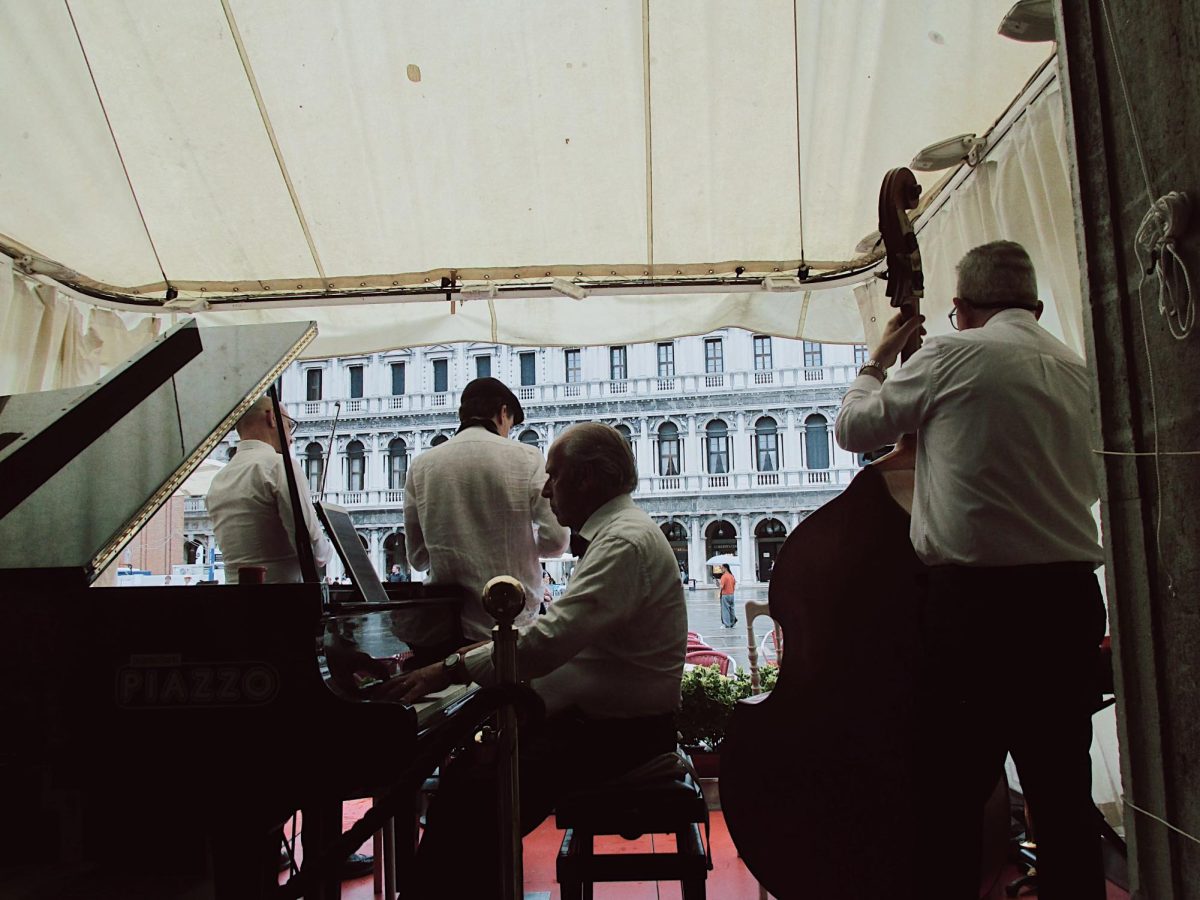
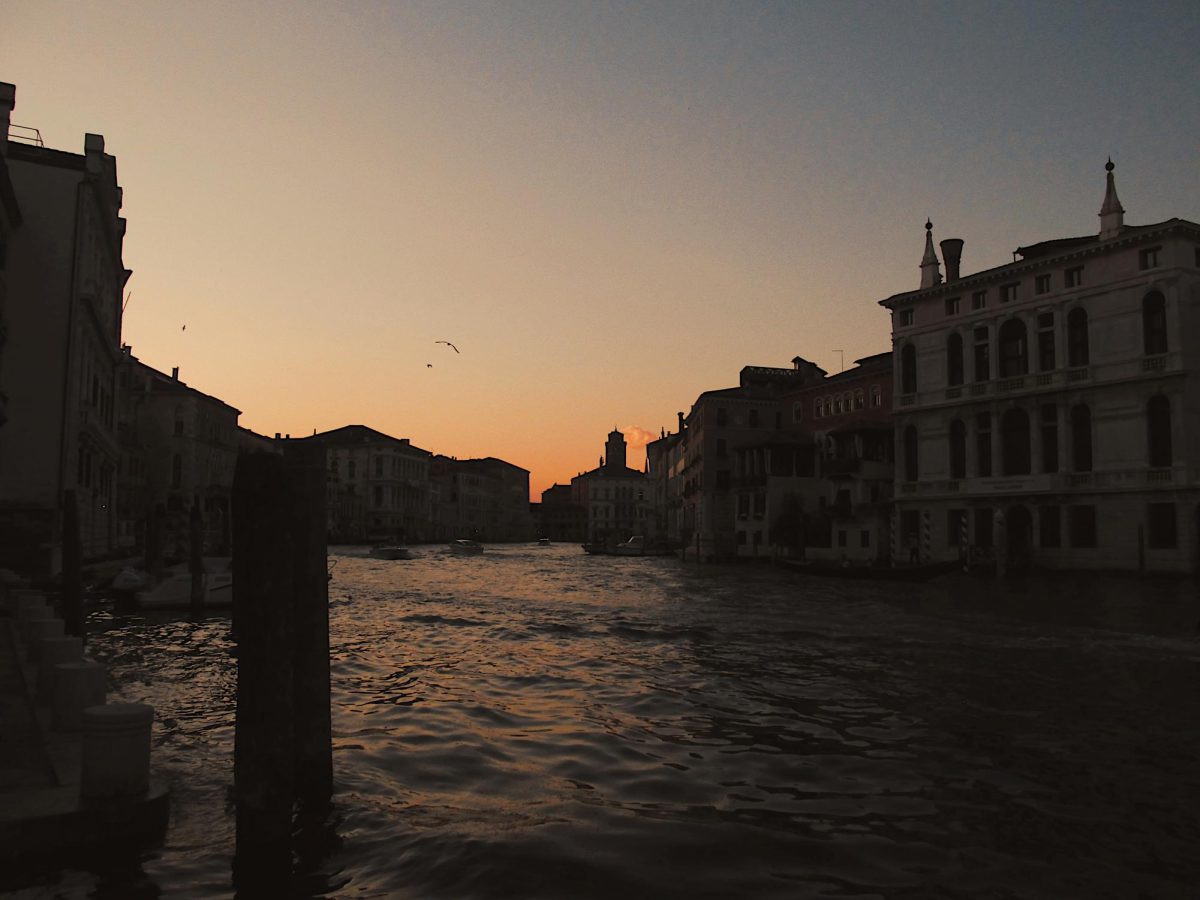
Across exhibitions, performances and public conversations, Resonance brought Vanderbilt’s creative community into dialogue with the world. Vanderbilt’s commitment to the arts rests on the belief that creative practice offers a powerful way of understanding people, places and cultures. Throughout the 61st International Art Exhibition of La Biennale di Venezia, artists invited audiences into experiences far beyond their own, transforming memory, history and lived experience into something others could encounter for themselves.