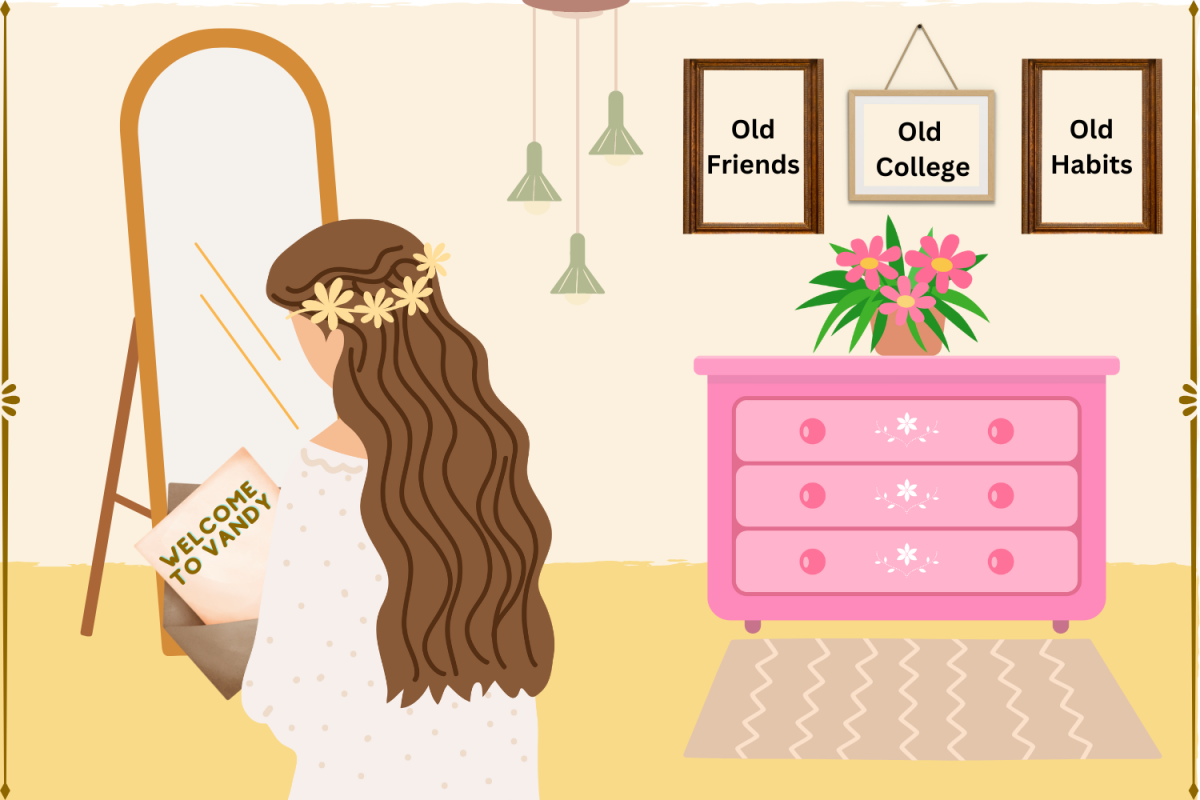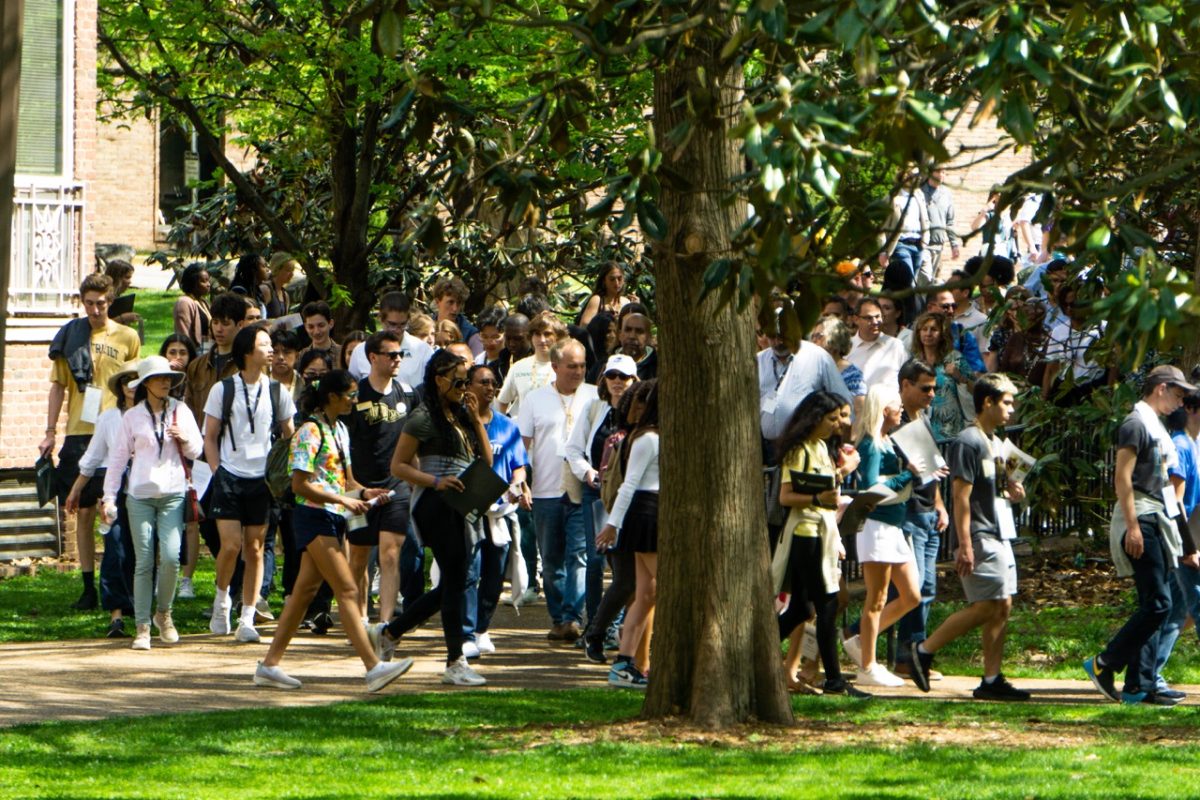


Transfer decisions were released in waves over the spring and summer, slowly assembling a group of more than 400 students across multiple class years. Every few weeks, another round of admits joined the mix, all of whom were preparing to restart their college experience at Vanderbilt.
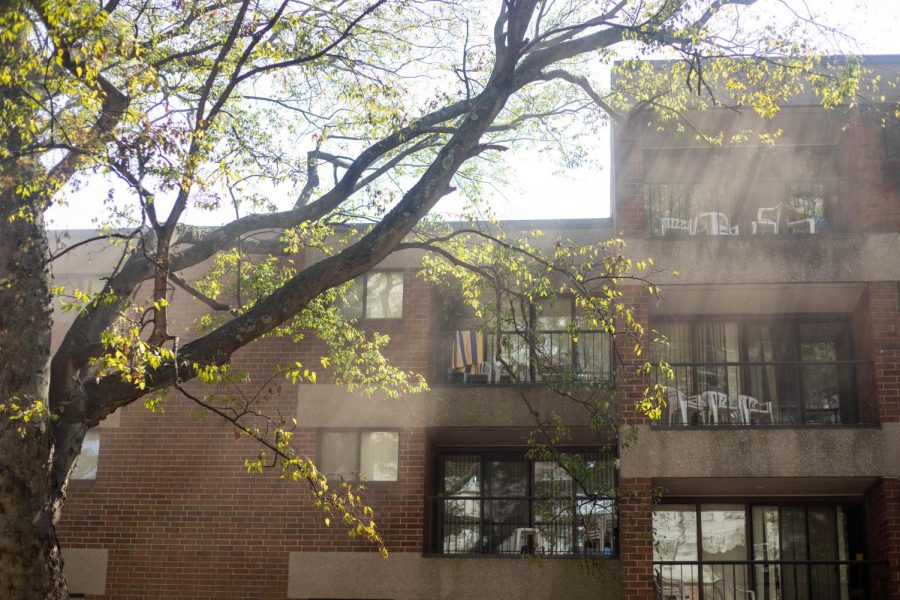
What many didn’t know at the time was that the university had just demolished two major residential buildings: Branscomb Quadrangle and McTyeire Hall. In past years, a significant portion of transfers lived near that cluster, even as others were housed elsewhere, giving the group a loose but reliable center of gravity.
The buildings weren’t luxurious, but they gave students something this year’s group doesn’t have — a shared space of community.
With these buildings gone, the housing situation shifted. Students admitted after May 1 were told that on-campus housing was full. Living off campus became the most realistic option unless a space opened later.
For some students – myself included – that meant The Broadview at Vanderbilt. On move-in day, the building felt almost unreal. Eleven floors. Study rooms that looked like they belonged in a brochure. A kitchen that looked like it was designed for someone who actually knows how to cook, large bedrooms and bathrooms. A ten‑minute walk to class. It felt like winning the housing lottery.
Then the semester started, and the reality of being a transfer became clearer.
The transfer cohort isn’t gathered anywhere. It’s spread across The Broadview, Carmichael, Moore and Kissam, Rothschild, The Village and nearly every other residential hall on campus. Vanderbilt essentially placed transfers wherever there was space and hoped the community would form on its own.
It hasn’t been that easy.
Even in The Broadview, where plenty of transfers live on the same floor, connecting has been surprisingly difficult. Groups formed quickly, and the building started to feel less like a shared community and more like a collection of people living parallel lives.
Transfers living in residential colleges faced a different challenge. They stepped into environments where most people already had their floor groups, their lunch groups, or the friend groups that began during orientation and stayed intact. During conversations with transfer students, several said that living in residential colleges made it harder to form close friendships, as many social groups were already established.
Last year’s transfers had a different experience. They weren’t just in Branscomb or McTyeire. Many lived in Cole and other nearby buildings, but the important part was that they were all in the same area. The buildings weren’t glamorous, but the proximity mattered. People saw the same faces every day.
This year’s setup offers better living spaces for some, but it comes with a cost. There is more independence, but fewer natural opportunities to meet people.
As the semester winds down, many transfers are left wondering what this year might have looked like if everyone had lived in the same place. Would friendships have formed faster? Would the transfer community feel stronger? Or is this simply a transition year as Vanderbilt reshapes its campus?
A transfer student living in Carmichael described feeling the same quiet distance that many others have noticed this year. The building is full and lively, but most residents already have established circles, making it hard for newcomers to find a natural way in. They said that even simple moments like walking into a common room or passing groups chatting in the hallway can feel like entering a space where everyone else already knows the script. It wasn’t about unfriendly people; it emphasized the reality of arriving late to a community that had years to form. Their experience reflects a broader theme among this year’s transfers: comfortable housing doesn’t always translate into connection.
Students across Broadview, the residential colleges, and off‑campus apartments keep coming back to the same idea. For now, housing remains a quiet but powerful factor in how transfer students connect.