

Editor’s Note: As of publication, 34 student organizations have signed the MLC statement. The statement remains open for additional signers.
The Multicultural Leadership Council, along with 34 other student organizations, released a statement Jan. 22 calling on Vanderbilt University to uphold its stated values of inclusion, urging administrators to include student leaders in decisions affecting marginalized communities and to protect programs that support student belonging.
The statement follows the university’s decision to discontinue the Medley of Students and Ideas Connecting fly-in program. MOSAIC executive director Mike Drish sent a statement to MOSAIC student leaders, intended for distribution among MOSAIC members, that said admitted students cannot be invited to events based on race, sex or other characteristics “in alignment with federal civil rights laws.”
The MLC statement highlights that student leaders were not consulted in the decision-making process to cancel MOSAIC and reflects Vanderbilt’s historical efforts to foster belonging among prospective students through the program.
“[MOSAIC] was not an admissions advantage but rather a community-building initiative that allowed students who were admitted under the same standards as every other applicant to envision themselves on campus and experience the university’s commitment to inclusion and belonging,” the statement reads.
The MLC statement also pointed out the declining diversity in Vanderbilt’s admissions and said the university’s responsibility to provide for its students should not depend on the legal or political climate.
“Vanderbilt’s decision to end a program so central to student belonging without transparent communication or student input undermines the University’s stated commitment to inclusion,” the statement reads. “It sends the message that the responsibility of creating belonging can be quietly deprioritized when it becomes politically inconvenient.”
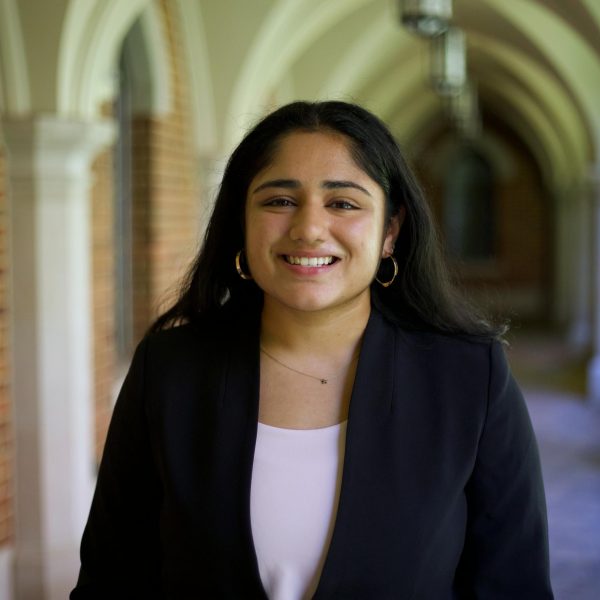
MLC President Ava Aria, a junior, said MLC was “blindsided” by the decision to cancel MOSAIC and that the organization is working to offset the impacts of the cancellation.
“I’ve been personally meeting with people in charge of Anchor Day, and we’re hoping to have events during Anchor Day to address the gap the cancellation created,” Aria said. “A lot is still in the works, but exciting events are coming up.”
Aria explained that the MLC programming during Anchor Day will be one of many options for students to attend, and students can choose which option will benefit them the most. Aria also shared more of her personal motivation for wanting to address the cancellation of MOSAIC.
“Personally, coming to Vanderbilt, I’m from Maryland. I had never visited the South and had heard horror stories, which almost stopped me from applying. What it came down to was whether I’d have a community and resources that supported me,” Aria said. “Our goal is to show students that they belong, that they matter and that there are resources to support them.”
Casey Yokley, vice president of Vanderbilt Alliance on Disability and Condition, said that while many of the members of the organization are not MOSAIC members, the organization signed the statement because MOSAIC provided an opportunity for historically marginalized prospective students to see themselves represented in the student body.
“From my research and personal understanding, MOSAIC was focused primarily on students of color and rural students, so many of our members did not experience it firsthand,” Yokley said. “At the same time, from my own experience meeting current and prospective students who participated, I know many also benefited from getting to meet current students with disabilities at Vanderbilt and learn more about its accessibility to students.”
Yokley added that she hopes VADC can play an even bigger role in supporting the MLC’s future initiatives to connect underrepresented admitted students with multicultural student organizations and resources. A written statement to The Hustler from the Vanderbilt Association of Bangladeshi Students, who also co-signed MLC’s statement, echoed this sentiment.
“VABS opted to sign the statement, as it finds the dissolution of MOSAIC regrettable and urges the university to replace it with a suitable alternative,” the statement reads. “The free exchange of ideas encouraged by MOSAIC’s programming brought a wealth of experiences to the Vanderbilt community that are otherwise absent. We hope that other organizations are able to supplant the role that MOSAIC once played.”
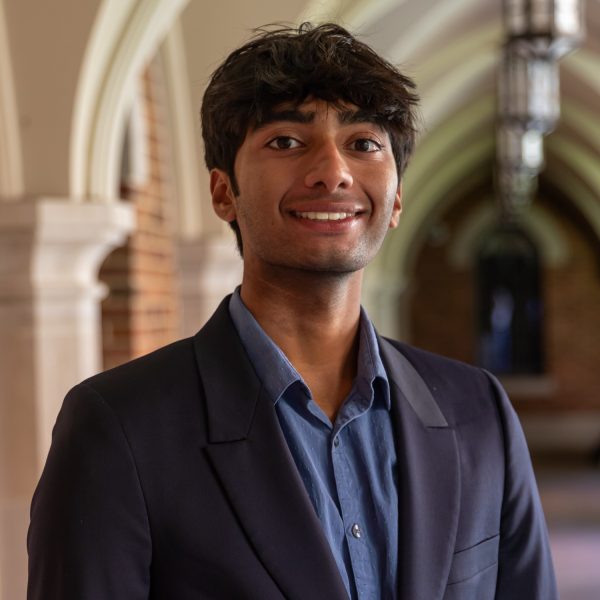
Aneesh Batchu, South Asian Cultural Exchange president, said that SACE signed the statement because the organization shares MOSAIC’s commitment to diversity.
“MOSAIC always represented a commitment to diversity, a value that remains central in not only SACE’s continued efforts but in all cultural programming on our campus,” Batchu said. “Its silent removal is a frightening reminder of the political climate.”
Davia Williams, president of the National Society of Black Women in Medicine, said that this organization signed the statement because for many students interested in medicine or other professional paths, feeling an early sense of belonging and support can be critical to adjusting to the rigor of those career journeys.
“We felt it was important to support a statement that calls attention to the impact of discontinuing such programming without student input, especially when MOSAIC has long reflected Vanderbilt’s stated commitment to inclusion and access,” Williams said. “We stand behind efforts that center student voices and protect programs that meaningfully support underrepresented communities.”