

I can’t remember the number of student organization meetings I went to during my undergraduate years. I don’t remember how many leadership positions and internships I applied for or how many programming events and giveaways I attended. But I do remember the first time I felt like I belonged at Vanderbilt, and I do remember when I realized the importance of a university fostering student belonging.
I can’t describe how excited I was to start my college life at Vanderbilt. I had already been onboarded as a staff writer for The Hustler, picked my roommate over the summer and carefully crafted a schedule full of history and education classes. I knew where each of my classes was and what the dining hall offered each day, and I was anxious to start making weekend plans once I was settled. Nothing could go wrong — until it did. All the students in my dorm seemed to instantly bond with one another. Large masses of girls waltzed in and out of club meetings. Social media was flooded with pictures of students in matching shirts with ear-to-ear smiles covering their faces. Every day for the first few weeks, I asked myself, “What am I doing wrong?” I was doing well in my classes, but I didn’t feel like I “belonged” on campus.
Toward the end of my first year, I was struggling in my statistics course and just didn’t feel seen or heard in whatever circle I found myself in. I reluctantly strolled down to a Gillette House study break in search of a snack or maybe even someone to talk to. As I stood alone in a corner eating my Gillette Gelato, Jill Stratton, assistant provost for academic support and community engagement, struck up a conversation with me. We bonded over the fact that we’re both from small-town and rural areas, and she even knew about a small college that is in my hometown. That simple conversation helped me find a piece of home on such a large campus. It didn’t happen by seeking out a resume builder or applying for an impressive internship. It happened through intentional campus programming, meant to foster a student’s sense of belonging.
Currently, I work in student affairs as a student programming board adviser in Boston and am working on a master’s degree in educational leadership. I was inspired to take this career path because of my experience getting involved and finding my sense of belonging. A sense of belonging is a basic human need that is universal. While it can be applied to all demographics, it is especially needed at the college level. This can come in the form of an affinity group, service organization, career club and more. In my job, I am responsible for creating the very intentional campus programming that helped me find a sense of belonging as a first-year student. There is more to campus planning than ordering trays of chicken tenders and hoping students show up. Each event is tailored to a specific purpose, need or group of people. We aren’t aiming to hit every single student, but every single student should have a time when they know their university is looking out for them.
You can think about adjusting to college life like a W-shaped curve, or maybe even like being on a roller coaster. Each positive experience that makes you feel a little more comfortable is almost always followed by a state of disequilibrium, a feeling of imbalance or discomfort. This cycle repeats itself, up and down, for an entire academic year, or maybe even just one week. Each stage is necessary for producing deep learning and developmental growth.
Vanderbilt prides itself on being a campus that embraces civil discourse and encourages having difficult conversations. I can’t agree more about the importance of these values. I experienced them firsthand during my time as a student through my work in student journalism. The richest learning happens when we’re exposed to diverse perspectives and are challenged to think in new ways. However, students’ sense of belonging cannot be compromised in order to maintain an idealistic public image in politics.
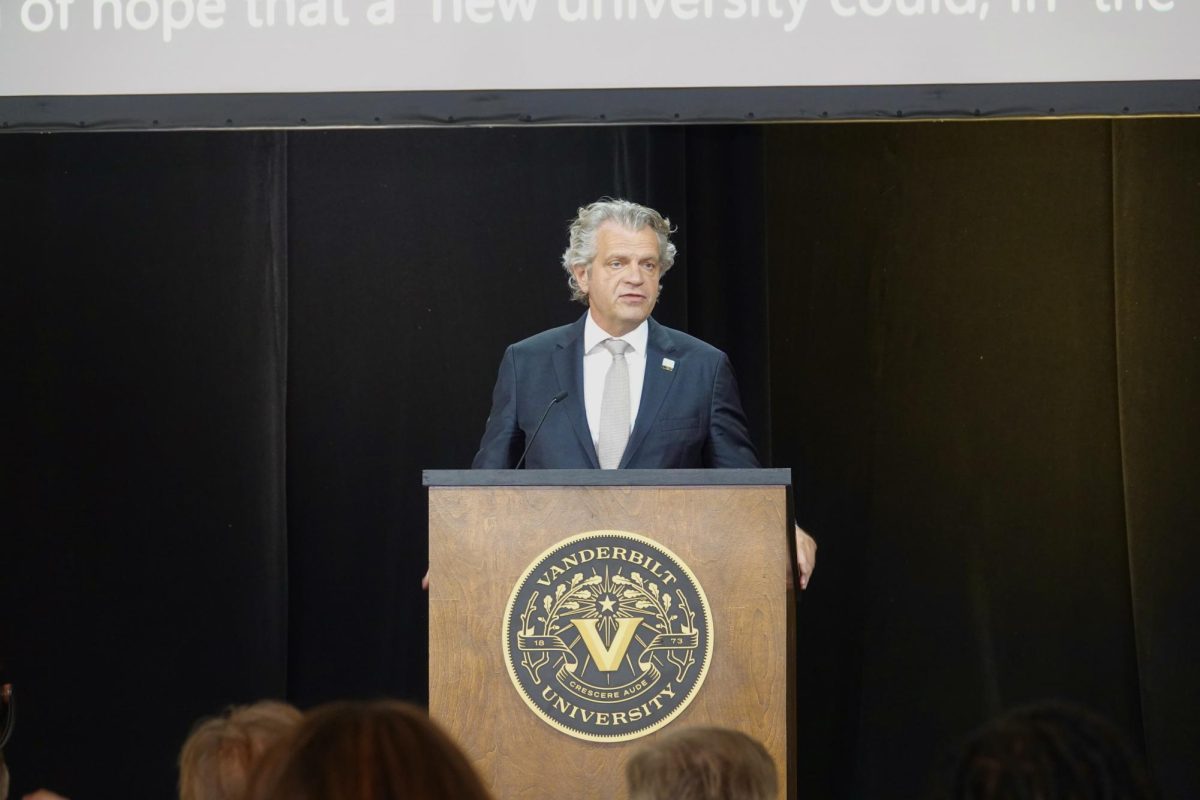
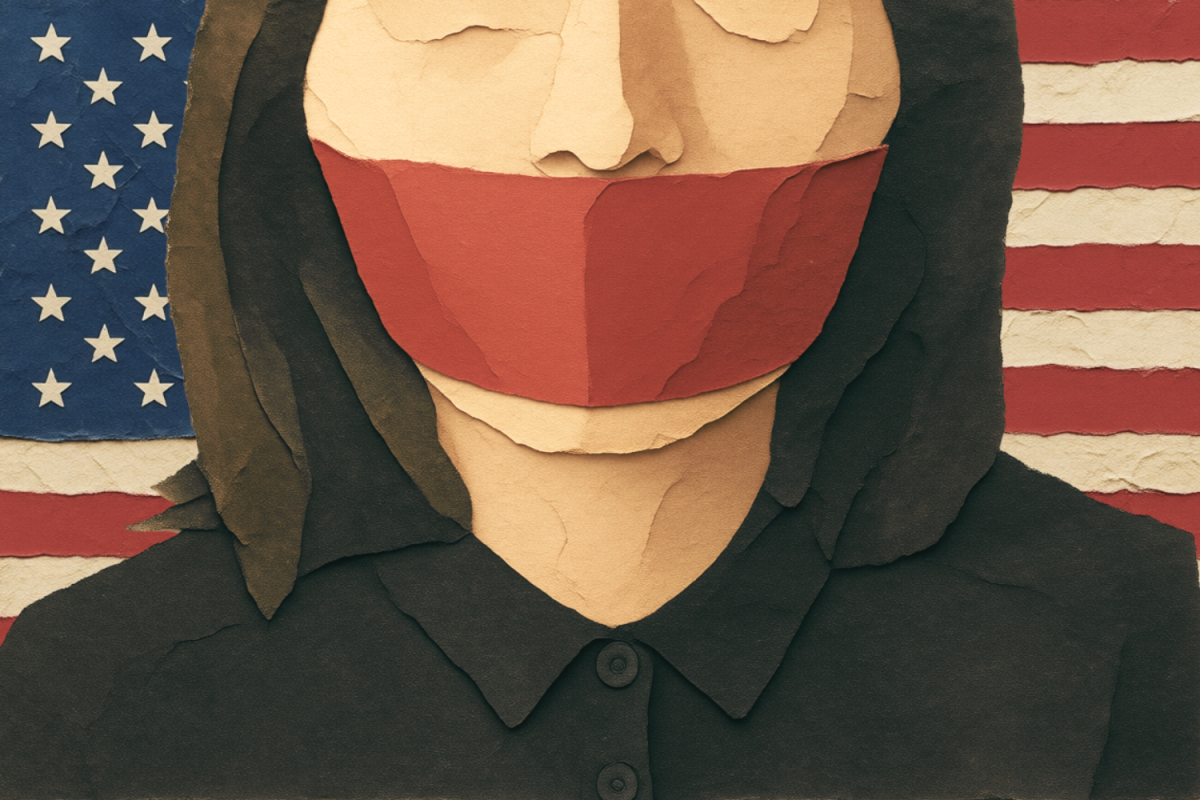
President Donald Trump recently sent a letter to nine universities, including Vanderbilt, asking them to sign a “Compact for Academic Excellence in Higher Education.” Details include capping international student enrollment at 15%, adhering to strict definitions of gender and banning the use of race or sex in hiring and admissions, amongst other regulations. If universities were to sign the compact, they would receive “multiple positive benefits,” allegedly including federal grant funding. Although Vanderbilt already falls in line with some of the demands, if they were to agree to all of the demands, the values of institutional neutrality would no longer be upheld. In an interview with Hustler editors in 2024, Chancellor Diermeier said, “You have to go all the way if you have a principle of institutional neutrality. It must guide your words and must guide your deeds.”
Vanderbilt adopted the position of institutional neutrality to allow students to form an understanding of certain topics and identities on their own terms — without university statements and influence. Succumbing to Trump’s latest demands not only falters from the golden standards of institutional neutrality but also compromises a path for student belonging. The possibility of federal funding is not worth the damage to student belonging and identities. International students will see their university only allowing a capped number of student demographics. Affinity centers will no longer be able to support students going through major life transitions. Being understood even in the smallest ways is what helps us come alive again. Vanderbilt, let your students keep building their own campus community. Leave the White House deals out of it.




Bill Horne, '80 • Oct 12, 2025 at 8:30 am CDT
Well-written and spot-on, Jorie. As a former Hustler and Versus Photo Editor, who also dabbled in writing, editing and spent several late nights doing paste-up, production and putting the paper to bed so it would hit the Vandy campus the next morning, I’m highly troubled by tRump’s wanna-be mob boss “my way or the highway” negotiation tactics that would force elite universities to compromise their mission of facilitating a welcoming and academically challenging environment for the student body. Thankfully, I believe MIT already refused to sign the compact. Was tRump’s alma mater on the list, or did he only target schools he couldn’t get into?
Jason Vadnos • Oct 6, 2025 at 10:36 am CDT
I absolutely agree with your take Jorie. Not only will agreeing to this compact violate institutional neutrality and damage student’s sense of belonging, it will directly violate the rights of LGBTQIA+ students by forcing the university to abide by a strict definition of two genders.
Moreover, the compact includes a host of assaults on the First Amendment, from preventing university employees from making political statements in their professional capacity to outlawing any speech which “belittles” conservative viewpoints.
Vanderbilt, DO NOT SIGN!