

The university announced March 24 that the first-year summer assignment would change from a reading-based project to an interview-based one, starting with the Class of 2029. The new version of the assignment is focused on the Residential Colleges programming theme “Stories that Connect Us.” The assignment asked students first to learn how to interview someone and then to conduct their own interview.
In a letter sent to incoming first-year students on June 9, Dean of Residential Colleges and Residential Education Melissa Gresalfi invited first-year students to approach their subject of interview with curiosity.
“To build onto your own experience of eliciting and reflecting on stories, the summer assignment for the Class of 2029 will involve interviewing someone in your community you find interesting, or you think may have experiences or perspectives different from yours,” the letter reads.
The project also asks students to write a 500-word reflection, responding to one of the three prompts:
Reflection: Write a reflection about what you learned in your conversation. After briefly introducing the person you interviewed, reflect on what was interesting to you, what was surprising, and what challenged you. If you were to interview this person again, what might you do differently? If you were to interview someone else, what would you do differently?
Story: Set the scene and tell the story of the person you interviewed and the conversation you had. Pretend you are a fly on the wall, describing two people with different backgrounds and perspectives who meet and find understanding on key issues or topics. Describe both the differences and the points of connection and understanding that were revealed over the course of the conversation. Give a sense at the end of how each participant may have changed or broadened their perspectives—even slightly—after this exchange.
Profile: Write up a profile of the person you interviewed, as if you were writing for a magazine. This piece should be more than a bio, offering insights into who this person is and what makes them tick. We encourage you to focus on something you learned about a key experience or characteristic that has defined their path in life or influences what they do and how they think.
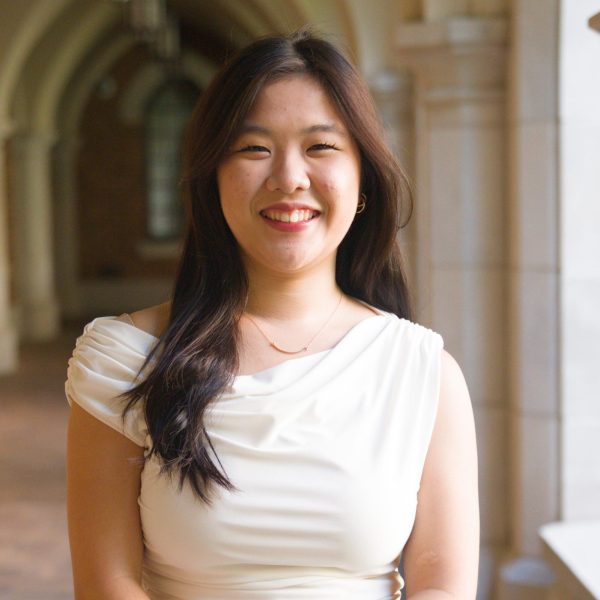
First-year Hayden Kim said he appreciated the project and saw it as an opportunity to step out of his comfort zone by connecting with others he otherwise would not have.
“I was able to see life from my interviewee’s perspective, which gave me more confidence to reach out to others I want to have conversations with,” Kim said. “My college at Vanderbilt, the College of Arts and Sciences, is a college where we can learn various things through diverse perspectives, so this experience was a good chance to begin my journey in A&S, discovering new ideas and embracing them without stereotypes or obstacles.”
Another first-year student, Sharon Katon-Jones, described the summer assignment as “eye-opening.”
“Overall, the interview gave me a new appreciation for entrepreneurship and showed me how the skills I am developing in engineering can translate into real-world impact,” Katon-Jones said.
Junior Brinnan Smith serves as a VUceptor for the 2025 first-year orientation. Smith said the new assignment allowed for significant conversation within his Vanderbilt Visions group.
“The new first-year interview assignment was a great way for first-years to not only understand the value of interviews but explore the differences they have with the people in their community,” Smith said.
Senior Jacqueline Yap, also a 2025 VUceptor, said the flexible nature of the new summer assignment enabled students to be more creative and personalize it, contrasting the reading-based version.
“A lot of times with assigned reading, it’s hard to find a book that strikes a chord with every first-year student, but with a more intimate and open-ended assignment, I found our conversations to be more enlightening and interesting,” Yap said.
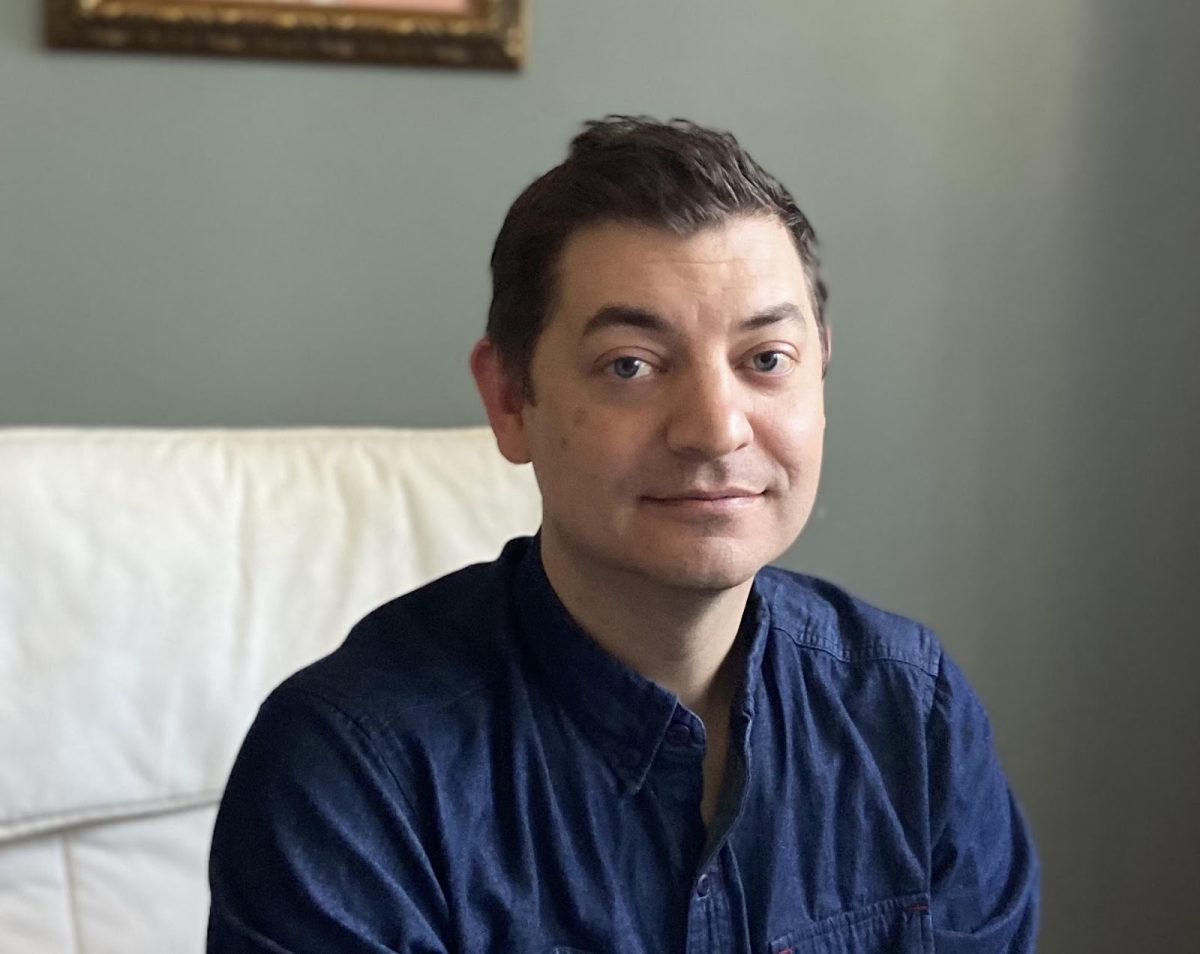
English professor Amanda Little was involved with the new program and has read hundreds of reflections from the Class of 2029. She said she was very impressed with the assignments first-years submitted.
“This incoming first-year class embraced [the assignment] wholeheartedly and smashed it out of the park. Some of the writing in these summer assignment submissions is some of the best I’ve read in all my years in the classroom,” Little said. “Storytelling is the highest form of expression and civil discourse to listen deeply and actively share other people’s stories, whether someone you’ve never met or someone close to you.”
Dean Melissa Gresalfi said that the Commons’ programming theme “Stories that Connect Us” was chosen with the goal of cultivating “intellectual curiosity” in mind.
“If we want to connect, to engage in discussion, and even disagree, it is imperative that we get to know each other better,” Gresalfi said. “The summer assignment creates an opportunity for one such deliberate moment — to engage with someone else with curiosity — and then to reflect on what was learned and how you were transformed by that simple conversation.”