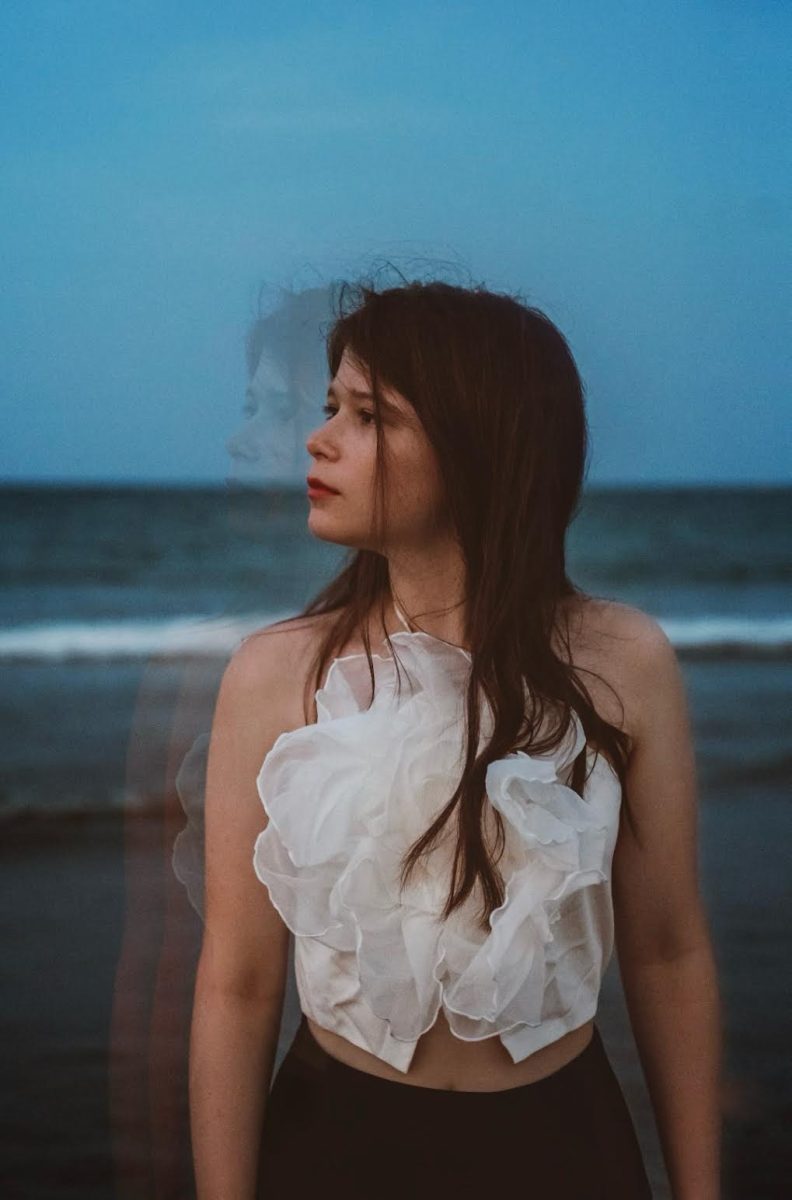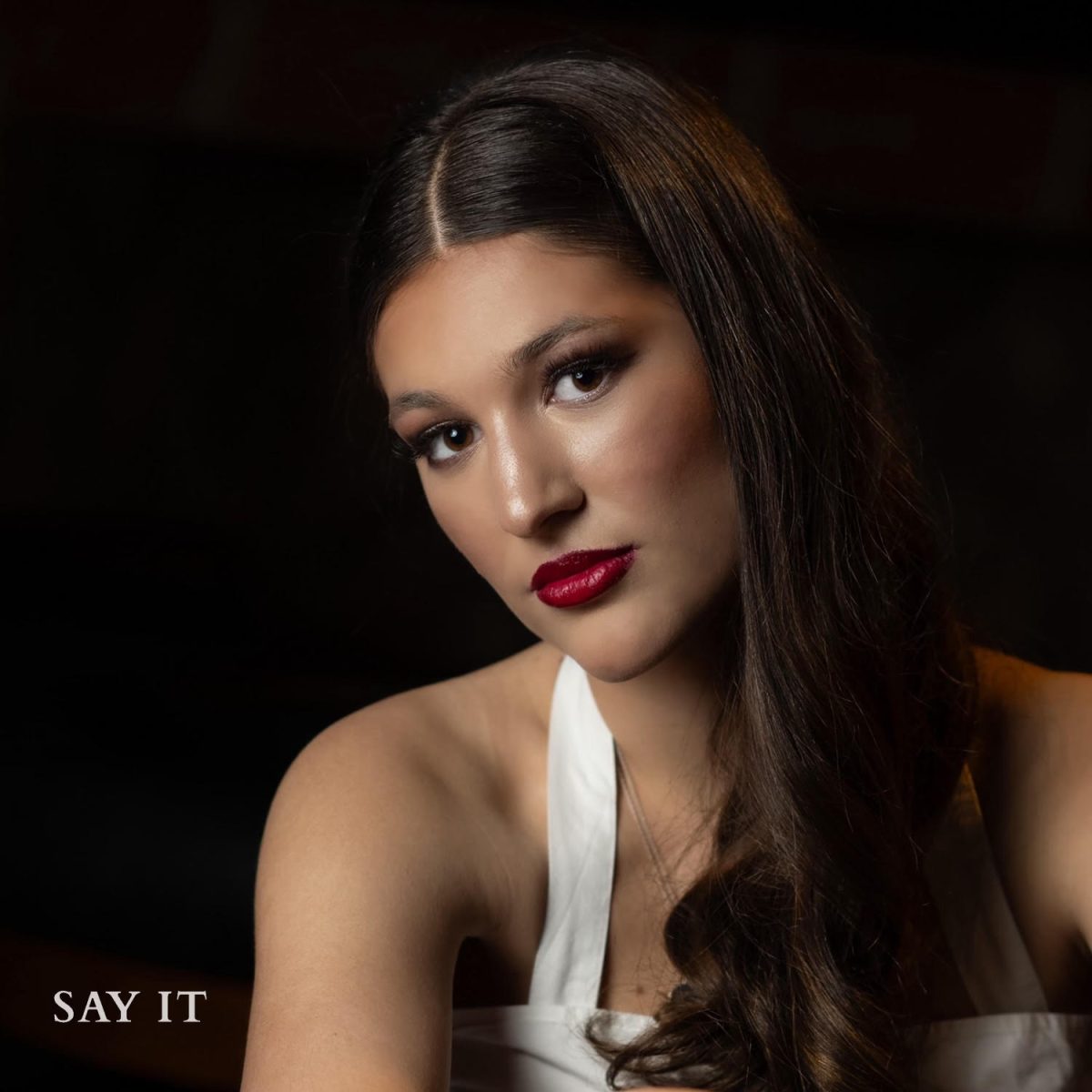


In early March 2026, something happened on the Billboard charts that had never happened before. Ella Langley’s “Choosin’ Texas” sat at No. 1 on the Billboard Hot 100, while Megan Moroney’s “Cloud 9” debuted at No. 1 on the Billboard 200. This success made them the first pair of women who primarily record country music to simultaneously rule both all-genre charts. It was a milestone decades in the making, and it actually says a lot about what kind of stories listeners are ready to let reach the top. Both Langley and Moroney’s music detail the internal female experience, showing young women that their emotions matter and sending a signal to the greater music industry that listeners crave truthful and vulnerable writing.
Country music has long been a genre dominated by male voices. This dominance has not necessarily been by audience preference, but by industry gatekeeping. For example, in 2020, it was revealed that one country radio station had an “unwritten rule” that they wouldn’t play two songs by female artists back-to-back. Furthermore, research from the University of Ottawa found that over a 17-year period, male artists occupied the No. 1 position on country radio charts for 85% of weeks. By 2022, songs by women accounted for only about 11% of country radio airplay. This phenomenon has become an industry habit. Playing fewer women means less familiarity, less familiarity means fewer opportunities and fewer opportunities mean even fewer women on the air. This backdrop helps us understand the significance of Langley and Moroney’s chart dominance. We are seeing a rupture in a system that has, for a long time, treated female voices in country music as unimportant.
On its surface, “Choosin’ Texas” is a breakup song about being the woman who didn’t get chosen. Langley frames herself as “Tennessee” and casts the rival woman as “Texas.” The track is both immediately catchy and devastating. According to music critics at Slate, it channels the heartbreak of 1980s country while feeling present. It became Langley’s first No. 1 in mid-February 2026, and it made her the first woman to simultaneously top the Billboard Hot 100, Hot Country Songs and Country Airplay charts.
What makes “Choosin’ Texas” resonate so deeply isn’t just the melody but the emotional precision. Langley shows us exactly how she feels, and she trusts that people will resonate. The jealousy in the song is specific, and the heartbreak is traced with geography:
When I’m east-bound and down and I can’t help but cry
‘Cause I-40 gets lonelier with every mile
I’ll know that his mind wasn’t ever gonna change
‘Cause his heart still belongs to the Lone Star State
Meanwhile, Megan Moroney, who labels herself an “emo cowgirl,” was also doing something special on the albums chart. “Cloud 9,” released Feb. 20, 2026, debuted with 147,000 equivalent album units, making it the biggest first-week performance for any country artist that year and the biggest week for a country album by a woman in nearly two years. It was also Moroney’s first No.1, making her just the tenth woman this century to top the Billboard 200 with a country album.
“Cloud 9” is an album that is confidently feminine. The album cover features Moroney climbing a ladder between pink clouds. The songs are funny, heartbroken, dramatic and self-aware. In “Stupid,” she lists increasingly implausible excuses for why a guy isn’t texting back. In “Wedding Dress,” she wrestles with the fear of missing an ex even on her wedding day. In the Kacey Musgraves collaboration “Bells & Whistles,” the two women sing, “I’m not me without the bells and the whistles.” In “Beautiful Things,” Moroney sings a direct message to girls who are struggling: “The world is hard on beautiful things.” These songs are vulnerable and unapologetically female. And they went to No. 1.
I’ve been a country music fan my whole life, but in middle school, I started to get really into country music by women, specifically, and since then, I’ve noticed the way that female songwriters are often dismissed. They are called dramatic, overly emotional or too personal. People joke that women only write songs about their ex-boyfriends, even though male artists have built entire careers singing about heartbreak, drinking, regret and failed relationships.
That double standard matters even more for teenage and college-aged women, who are often living through the exact emotional experiences these songs describe. College is a stage of life where everyone is trying to seem independent and detached. You are supposed to be casual about relationships, confident in yourself and emotionally mature enough not to care too much. But this expectation isn’t how most girls actually feel. Most of us are overthinking texts, comparing ourselves to others, missing people and wondering why we weren’t chosen, even if we know we shouldn’t do these things.
That is exactly why songs like “Choosin’ Texas” and albums like “Cloud 9” resonate: They do not ask young women to make their emotions smaller. They make those emotions recognizable and human.
Langley sings about the feeling of being the girl who was almost right for someone. That is a deeply specific feeling, but it is also widely understood. Moroney does the same thing across “Cloud 9,” where she sings about the emotional contradictions of young womanhood: wanting to be over someone but not being over them, laughing at yourself while you’re spiraling and knowing something is dramatic but feeling it anyway.
When we dismiss female songwriting as “too emotional,” we send a message that female emotion needs to be hidden and toned down. But Langley and Moroney show that emotional specificity is what makes music powerful and popular right now. Their success doesn’t just show that women can make it in country music but also that the inner life of a young woman is not something to be embarrassed by. In fact, it is something worthy of topping the charts.
Country music has always been, at its best, a genre about telling stories truthfully and specifically. Ella Langley and Megan Moroney’s historic success should be seen as proof that listeners are ready for women’s stories.