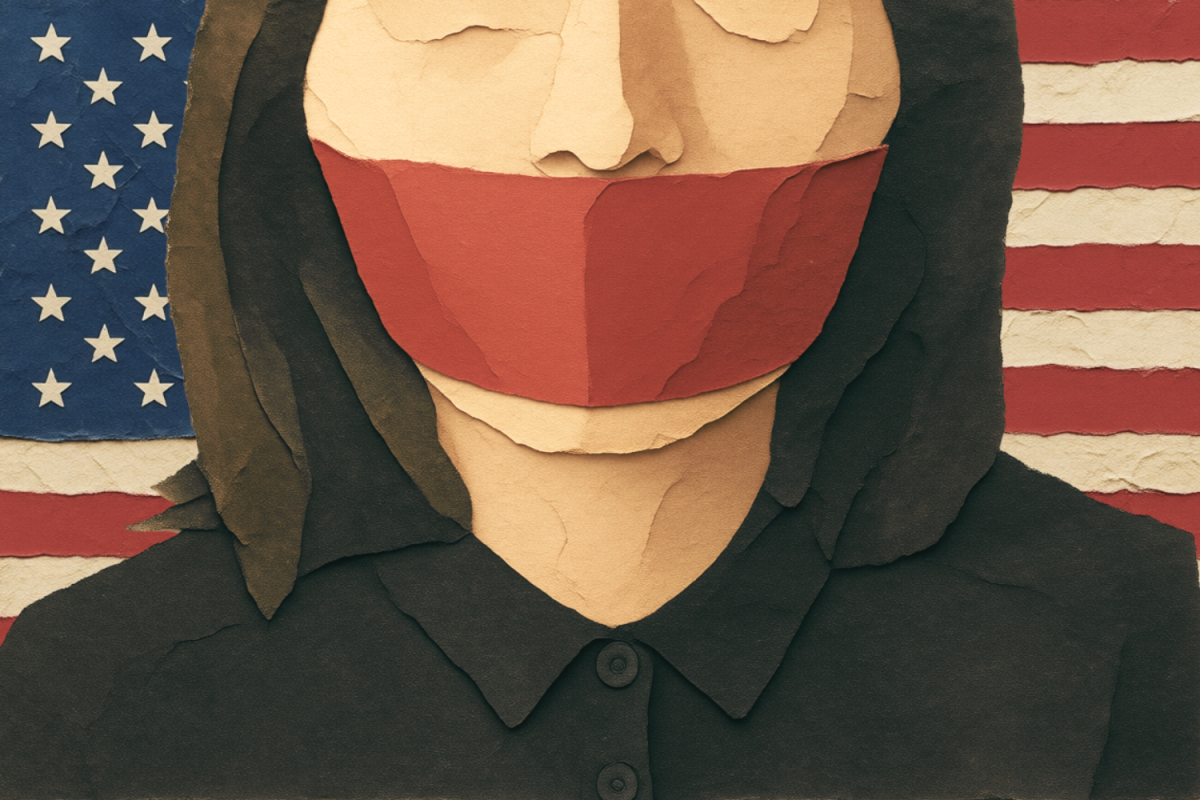


It’s no secret that Vanderbilt prides itself on its academic excellence, rigorous research and ability to prepare students for lives of leadership and innovation. But what about providing graduates with a far more important skill, something fundamental to the very society we inhabit: the ability to uphold our democracy?
Regardless of your political views, most Americans would agree that we live in a politically turbulent time. Society is polarized, Congress is ineffective and international tensions are soaring. In this moment of crisis, Vanderbilt must reaffirm higher education’s role not just as a site of knowledge production, but as a place that prepares engaged, thoughtful citizens who can work together to solve our world’s most pressing problems.
You may ask, how can the university do that? Every student, regardless of their major or school, should graduate with a foundational understanding of our democratic institutions and how to strengthen them. Moreover, every student should leave Vanderbilt’s campus having applied this classroom knowledge to real-world social challenges, gaining a clearer understanding of how their voice and actions can meaningfully improve society.
After all, participating in civic life isn’t exclusive to political science and public policy students. Whether you hope to become an engineer, a musician, a teacher, an investment banker, a doctor or something else, you have the power to create positive change in your community. Anyone can run for city council, speak at a school board meeting, flag misinformation online, tend to a community garden or cast their vote. Unfortunately, most of us don’t.
However, institutions of higher education can change that, and many already are. Dozens of colleges across the country have invested millions in new civics centers, and hundreds more are members of multi-campus coalitions that provide civic engagement training and opportunities to students, faculty and staff alike — Vanderbilt must also step up. Beyond establishing a database for local service opportunities and a collaborative community-engaged faculty and staff, we need to require every student to thoughtfully interface with civic life.
That means helping Commodores build their civic literacy: understanding how local, state and federal institutions function; how policy is made; how courts interpret law and how citizens can influence public decisions. Beyond memorizing constitutional facts, Vanderbilt students should take courses that equip them to analyze contemporary public issues, critically evaluate sources of information, and understand the incentives that shape political behavior.
For engineering students, that might mean partnering with Nashville developers on affordable housing or sustainable infrastructure projects. For Peabody students, it could involve hands-on educational policy advocacy with Metro Nashville Public Schools. Blair students might design performances that highlight public issues or bring arts programming to underserved communities. Pre-med and science students could work alongside community health organizations to provide critical wellness services to populations in need.
The point is not to funnel everyone into careers in politics or to impose a particular viewpoint on the current state of our government. Rather, it is to help every student see how their discipline intersects with public life and to practice using their expertise in service of the common good. By embedding civics requirements into undergraduate general education, as Purdue, Southern Methodist University and others have done, Vanderbilt can ensure that students leave campus with confidence in their ability to strengthen our democracy and create meaningful change.
If we want our generation to help solve the world’s problems, we need to demand an education that helps us do just that. So, whether you’re an aspiring software engineer, consultant or pianist, take a moment and ask your department chair and your dean to bring civics education to the forefront of our college life. Because at Vanderbilt, we should not just prepare students for successful careers. We must also prepare young leaders to be active citizens who strive to improve our democracy.