

On Jan. 4, the WeGo Public Transit’s Winter 2026 service changes went into effect as part of Nashville Mayor Freddie O’Connell’s Choose How You Move program. The program is a $3.1 billion voter-approved plan that will span over the next 15 years. In addition to the WeGo service changes, the plan aims to provide new sidewalks, traffic signals and transit centers around Nashville, Tennessee. The program also launched Journey Pass in October, a bus fare program that currently has over 6,000 low-income Nashville residents enrolled.
On Jan. 8, Mayor O’Connell and WeGo unveiled 12 new 40-foot Gillig buses, costing $8.1 million, complete with onboard electronic and safety systems. The new buses also utilize Allison transmission, an electric hybrid system that enhances fuel efficiency.
WeGo public media officer Eric Melcher said the service changes allow for increased frequency of buses and provide longer weekend and weekday service hours.
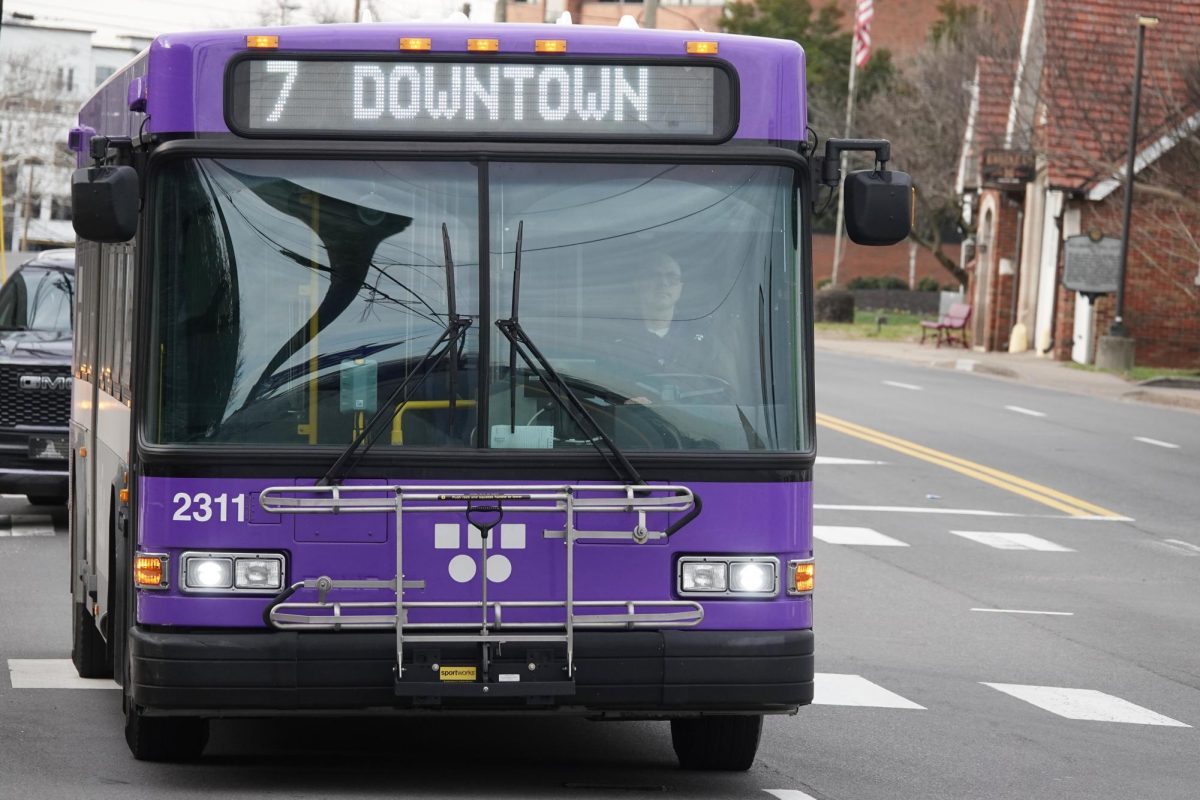
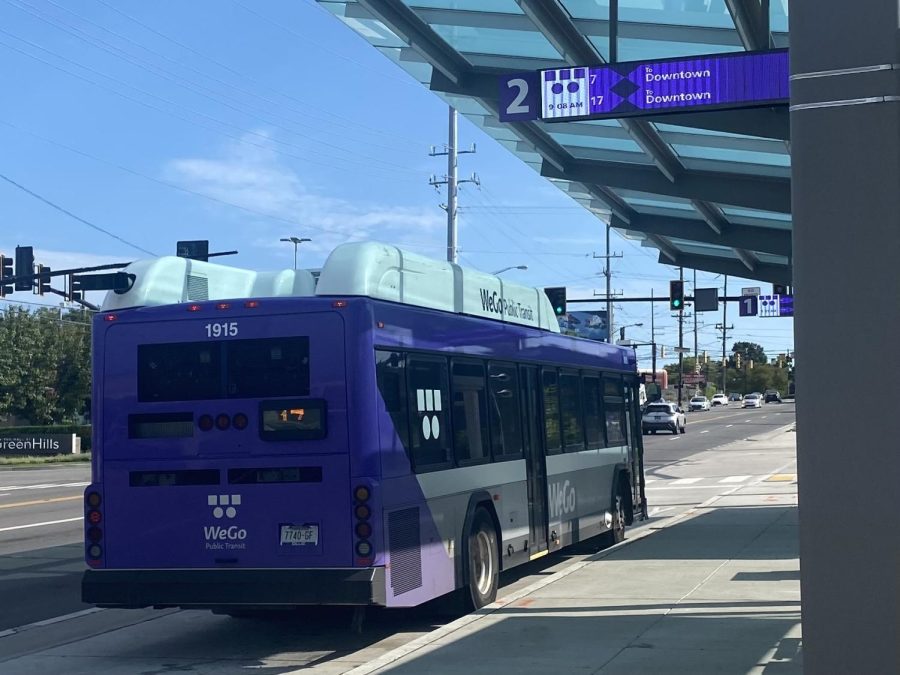
“The big changes for Vanderbilt bus riders will be expanded Sunday service hours and increased bus frequency on Route 7 and Route 3,” Melcher said. “We know that Vanderbilt has many WeGo riders, and we want to provide the best service possible. Depending on where people live, there may be other service changes that impact their route.”
Other changes include a new WeGo link zone in the East Thompson Lane area and improved availability for WeGo Access, which provides door-to-door transportation for riders with disabilities.
MoveVU, Vanderbilt’s transportation and mobility center, stated that the changes will allow bus riders — including Vanderbilt students — to travel within Nashville with greater ease and frequency.
“WeGo’s Winter 2026 service changes are designed to better align transit service with how people in Nashville are traveling today,” a MoveVU representative said. “For the Vanderbilt community, these updates — combined with free rides through QuickTicket — mean more frequent service on key routes, expanded evening and Sunday hours and improved access to campus and the city for students, faculty and staff.”
First-year Elise Hwang told The Hustler she recommends the buses as a travel option for Vanderbilt students.
“The WeGo buses are a great, convenient option for short distances like Green Hills and Broadway but can be annoying with transferring if you are going a farther distance,” Hwang said. “The stops are very close to campus, and I’ve always been able to find a seat. If you have more flexibility with your schedule, it is very worth it to save money with these buses.”
First-year Ellis Williams also stated that the buses offer accessible transportation throughout the Nashville area, believing the new expansion will only improve the system.
“As a low-income and QuestBridge student at Vanderbilt, the bus systems have allowed me to get off campus and access the places on Taste of Nashville,” Williams said. “Last semester, I had a few issues with not being able to find bus times when I wanted, so having new buses in the area would be great.”
Sophomore Claire Lee said she appreciates the WeGo bus system and the convenience it offers to the community.
“I love WeGo because of its convenience and affordability not only to students, but to people across the city,” Lee said. “I see people of all ages use the bus for work, errands or just a day out, and the Nashville bus system is able to provide a clean, reliable source of transit.”
Aisha Ali, sophomore and long-time Nashville resident, expressed that she appreciated how much WeGo has improved over the years and is excited to see it continue to grow.
“I’ve been using the WeGo bus system for about five years now, and while it may not rival massive transit systems like New York’s, it’s been a reliable part of my everyday life,” Ali said. “When I first started riding, service was limited to downtown and a few surrounding areas like Antioch, but now, buses reach places like Goodlettsville, Belle Meade and Brentwood, running until midnight. I’m glad to see that over the years WeGo has expanded.”