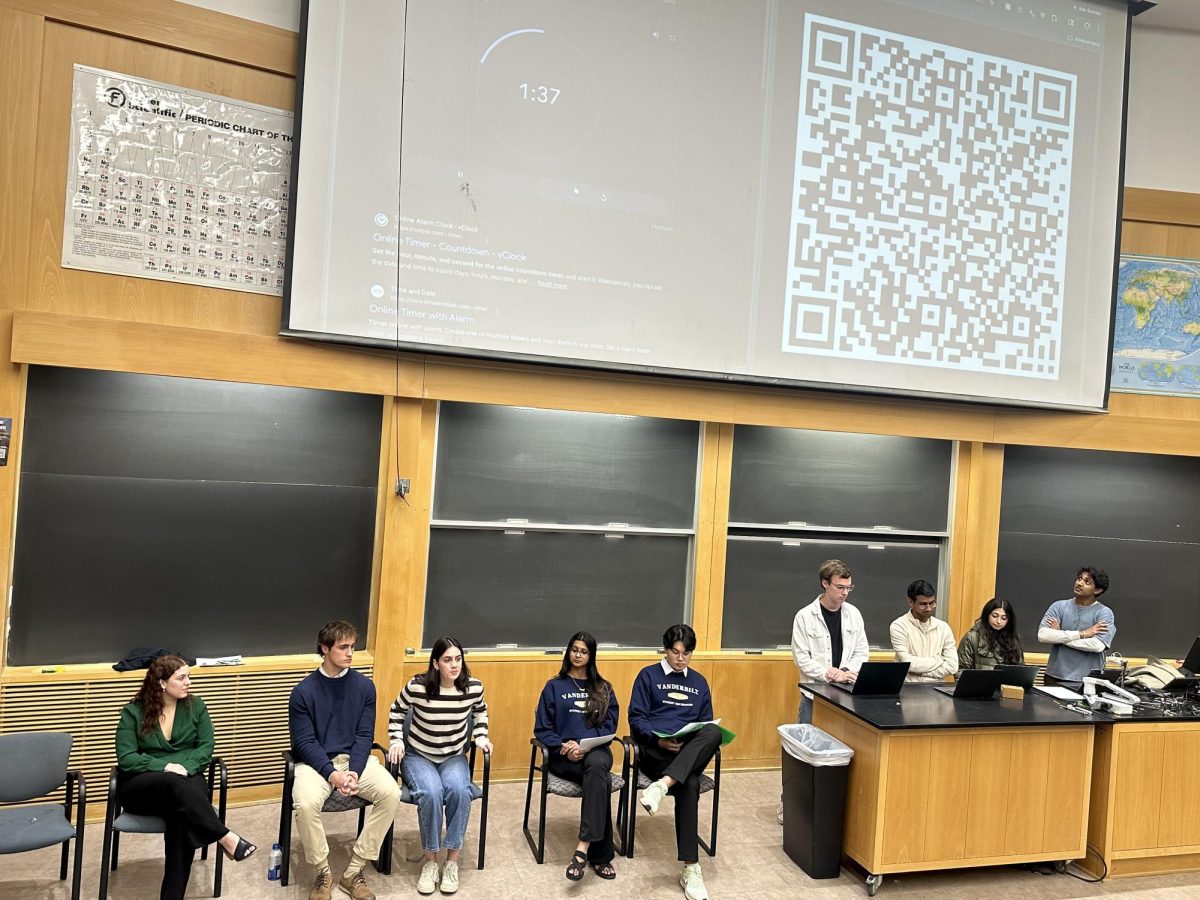


On a weeknight in early September, more than 80 students gathered for something not even offered for credit: Vanderbilt Blockchain’s opening cohort meeting. The turnout, larger than many Vanderbilt lecture courses, marked a milestone for a club that was founded in 2022.
In its first year, the program drew just 15 to 20 students. By 2024, that number doubled. Now, over 85 undergraduate students spend their evenings learning the fundamentals of blockchain, from the basics of Bitcoin to the complexities of tokenomics models. In case you’re unfamiliar, blockchains are a secure, decentralized database used to build apps.
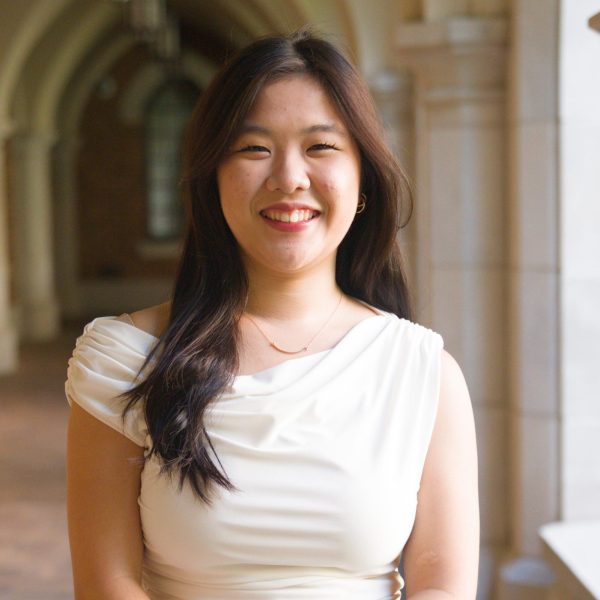
“The club has become the only way to get real exposure to blockchain on campus,” junior Natalie Drake, Vanderbilt Blockchain co-president, said.
The club has essentially built its own rigorous curriculum to meet this demand. The cohort itself runs for eight weeks. Students attend lectures, hear from guest speakers, complete two assignments and finish with an exit interview. There are two tracks — a more technical path led by the head of development, junior RuoHan Chen, and the other a research/investment-focused one. Unlike many competitive clubs, joining doesn’t require a resume or formal interview. Instead, a short application with a few simple questions is enough.
“What matters most is genuine curiosity,” senior Khurshed Murtazaqulov, Vanderbilt Blockchain’s other co-president, said.
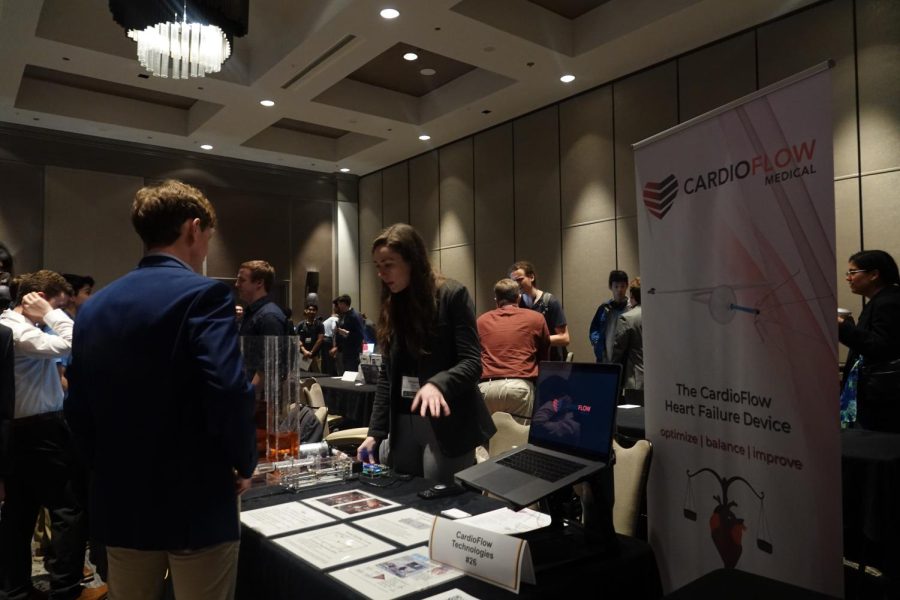
That curiosity is translating into serious opportunities. Some members manage a $150,000 liquid crypto fund allocated by Vanderbilt Blockchain’s managing venture capital firm, pitching tokens and projects to invest in. Others travel to conferences like the Midwest Blockchain Conference, drawing peers from across the country to attend job fairs and speaker panels. Locally, Vanderbilt Blockchain partners with Bitcoin Park, a nonprofit near Hillsboro Village, to host one of its classes each semester.
For many students, the cohort is more than a club. It’s a career pipeline.
“There isn’t a traditional recruiting structure for blockchain,” Drake said. “This is how you break in, whether it’s a startup, a VC firm or a bigger player in the industry.”
Most members study computer science or economics, and several are already interning at crypto funds and fintech firms.
While Vanderbilt doesn’t yet offer dedicated blockchain or Web3 courses, other universities, like Stanford, have begun with small, one-credit seminars taught by guest lecturers. Vanderbilt Blockchain’s co-presidents argue that a similar low-stakes approach could work here.
“We don’t need the university to build the structure,” Drake said. “We just need the credit hours and someone willing to teach.”
The hope of the co-presidents is that the College of Connected Computing, currently in the works of establishment, might open the door. In the meantime, the growth of Vanderbilt Blockchain shows no signs of slowing down. From 15 to 85 students in just two years, the club’s trajectory mirrors the unpredictable, fast-moving and increasingly mainstream industry it studies.
As the third cohort kicks off, it’s clear that blockchain’s appeal goes beyond course credits. It’s less about following a syllabus and more about building one through genuine curiosity and passion.