
Tennessee Gov. Bill Lee signed H.B. 7003 into law May 7, adopting revised congressional districts throughout the state of Tennessee. The governor’s approval came after both bodies of the Tennessee General Assembly passed the said legislation that same day.
Following the U.S. Supreme Court’s April 29 decision in Louisiana v. Callais, which ruled that states did not need to factor race into drawing U.S. congressional districts, Lee signed a proclamation that summoned a special redistricting legislative session May 1 to review and revise the state’s congressional districts if needed.
Congressional-level redistricting became a nationwide trend following President Donald Trump’s requests to statewide leaders to redraw their congressional maps to be more favorable to Republican candidates. Efforts began in the Texas Legislature in the summer of 2025, followed by voting referendums in California and Virginia alongside other legislative-driven efforts in Florida and North Carolina.
Statewide and nationwide attention
The special legislative session gained national attention, with support coming from many Tennessee politicians, such as gubernatorial candidates U.S. Sen. Marsha Blackburn and U.S. Rep. John Rose, whose new district includes Vanderbilt’s campus.
“It’s essential to cement [Donald Trump]’s agenda and the Golden Age of America. I’ve vowed to keep Tennessee a red state, and as Governor, I’ll do everything I can to make this map a reality,” Blackburn wrote in a statement on X.
Opponents, including U.S. Rep. Steve Cohen, who plans to take legal action against the legislation, say this session was created as a way of disenfranchising Black voters in Memphis by splitting Tennessee’s 9th Congressional District, the district he represents and the last remaining Democratic stronghold following standard redistricting legislation passed in 2022, which split Nashville into three Republican stronghold districts. Rep. Cohen released a statement on his intention not to seek reelection if this legislation does not get nullified or struck down in court before the Nov. 3 election.
“The state General Assembly last week diluted the Black vote in thirds to make Republican victories likely,” Cohen said. “If we prevail in the courts and the 9th District remains intact for the 2026 [midterm] election, I will remain a candidate and will be proud to represent its people for another two years. If not, it has been an honor serving you.”
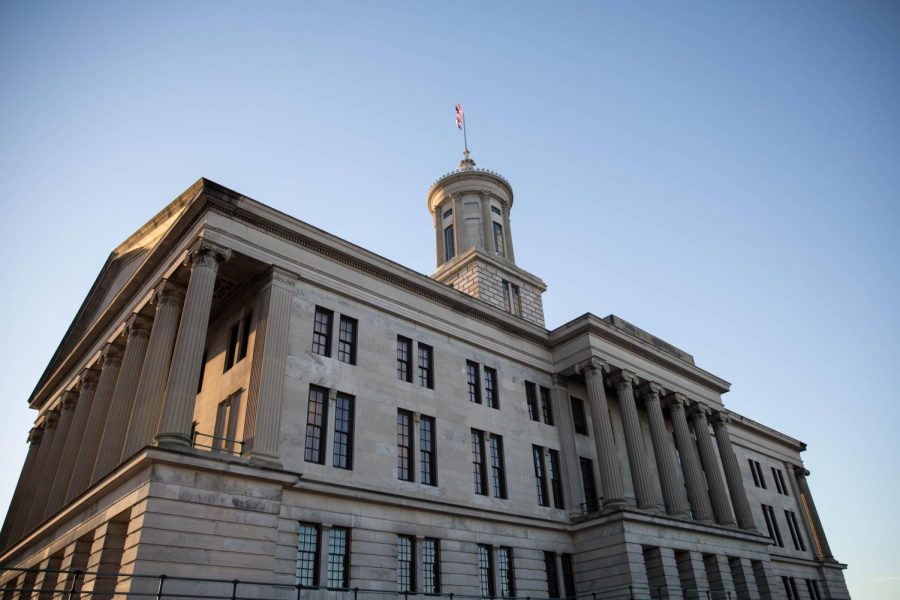
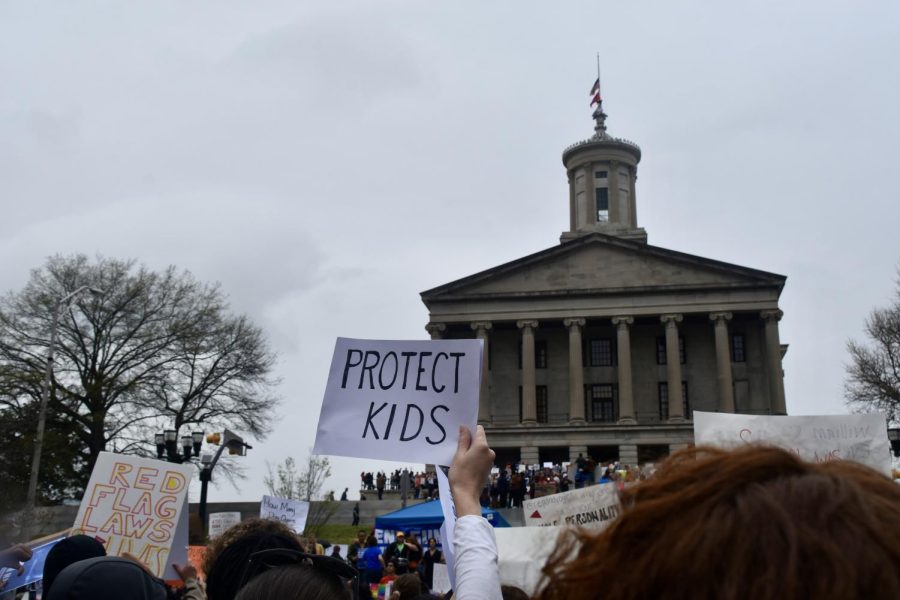
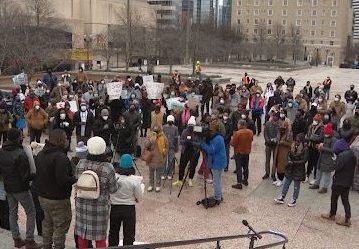
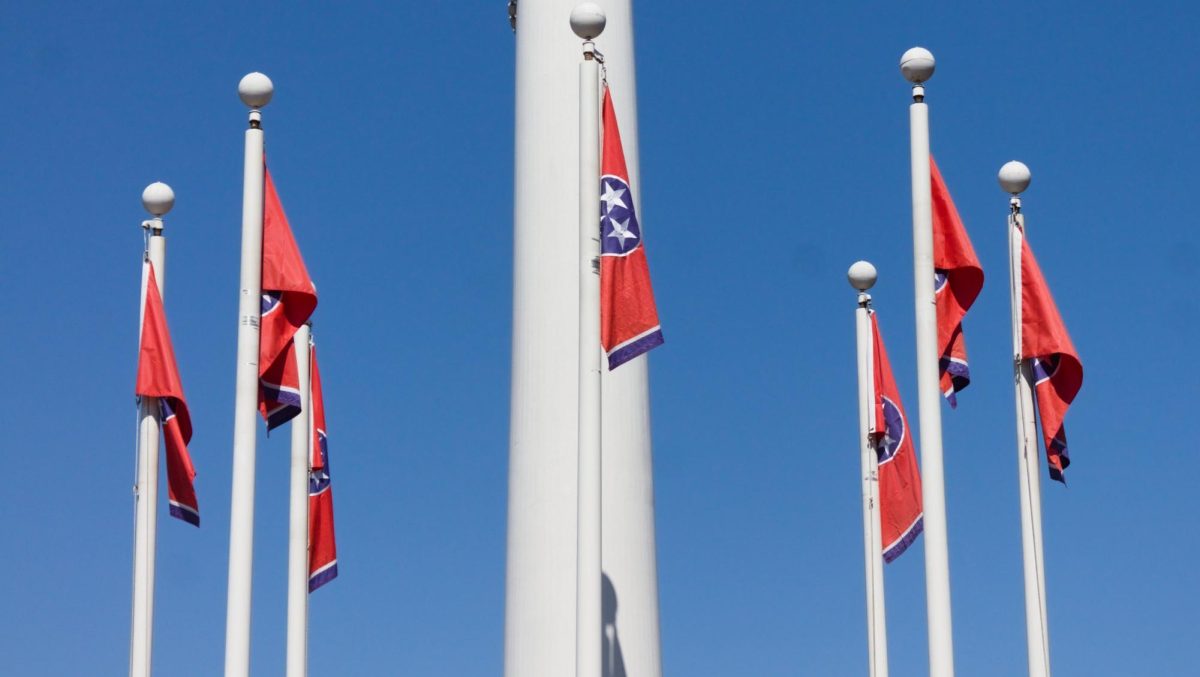
In response to the new districts being approved, protests erupted on Capitol Hill in Nashville, Tennessee, with protestors organizing inside the State Capitol building as some state representatives burned printed copies of the Confederate flag and held banners in opposition to the legislation, which they deemed “Jim Crow 2.0,” while on the House floor. Tennessee House Speaker Cameron Sexton removed all Democratic state representatives from committee assignments as a result of their participation in protests.
Reactions from the Vanderbilt community
Vanderbilt College Democrats released a statement May 8, the day after Gov. Lee signed the legislation, condemning the state legislature’s decision to go forward with redistricting measures.
“The Vanderbilt College Democrats are abhorred by the decision of Tennessee Republicans to strip Memphis of its congressional representation,” the statement reads. “Voter suppression cannot save a party defined by an affordability crisis, forever wars and corruption. November will make that clear.”
VCD’s statement also criticized the new map’s reformation of Tennessee’s 9th Congressional District, with a similar sentiment to Cohen’s statement citing the direct effect on Black voters throughout the city of Memphis and the state overall.
“This gerrymander is a racist and deliberate attack on the voting power of Black Tennesseans, reminiscent of the voter suppression tactics from the Jim Crow Era. It is an embarrassment to this state and an affront to democracy,” the statement reads.
Vanderbilt College Republicans, Multicultural Leadership Council and the Vanderbilt Black Student Association did not respond to requests for comment.
Rising junior Ben Lust spoke to The Hustler about the role that political partisanship played in the special legislative session, noting a lack of elected officials listening to their constituents. Lust also spoke about redistricting measures nationwide serving as a counter to the nation’s democratic structure.
“The area that is most affected — Tennessee’s 9th Congressional District — overwhelmingly voted [Democratic] in the last election cycle, and there is no question that Memphis is a blue city,” Lust said. “However, by splitting Memphis up into different congressional districts, the rural red vote overwhelms the urban blue vote, erasing any Democratic congressional representation. This is not for the progress of Tennessee or its citizens — it is simply a means of grabbing more power in a state that is already a [Republican] stronghold. If this continues in other states, which we have already seen, the modern United States will solidify itself as a nation driven by a constant partisan power struggle rather than the voices of constituents, which goes against the very foundations of American democracy.”