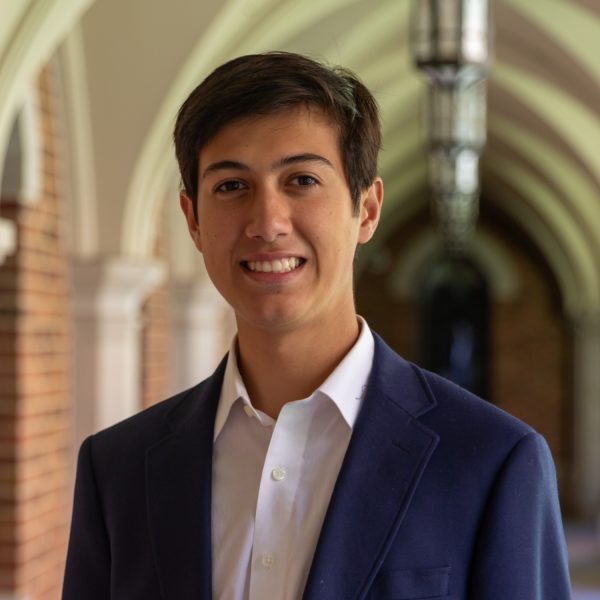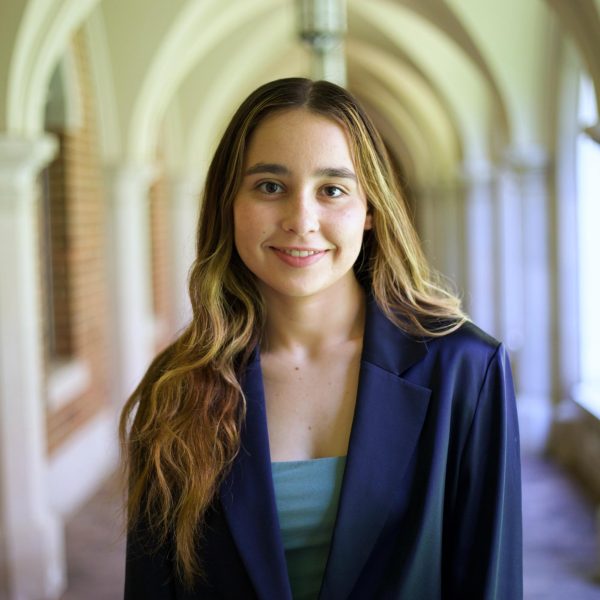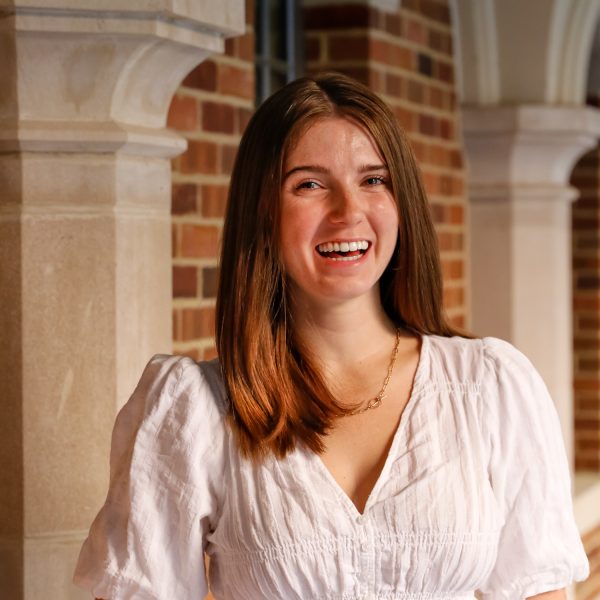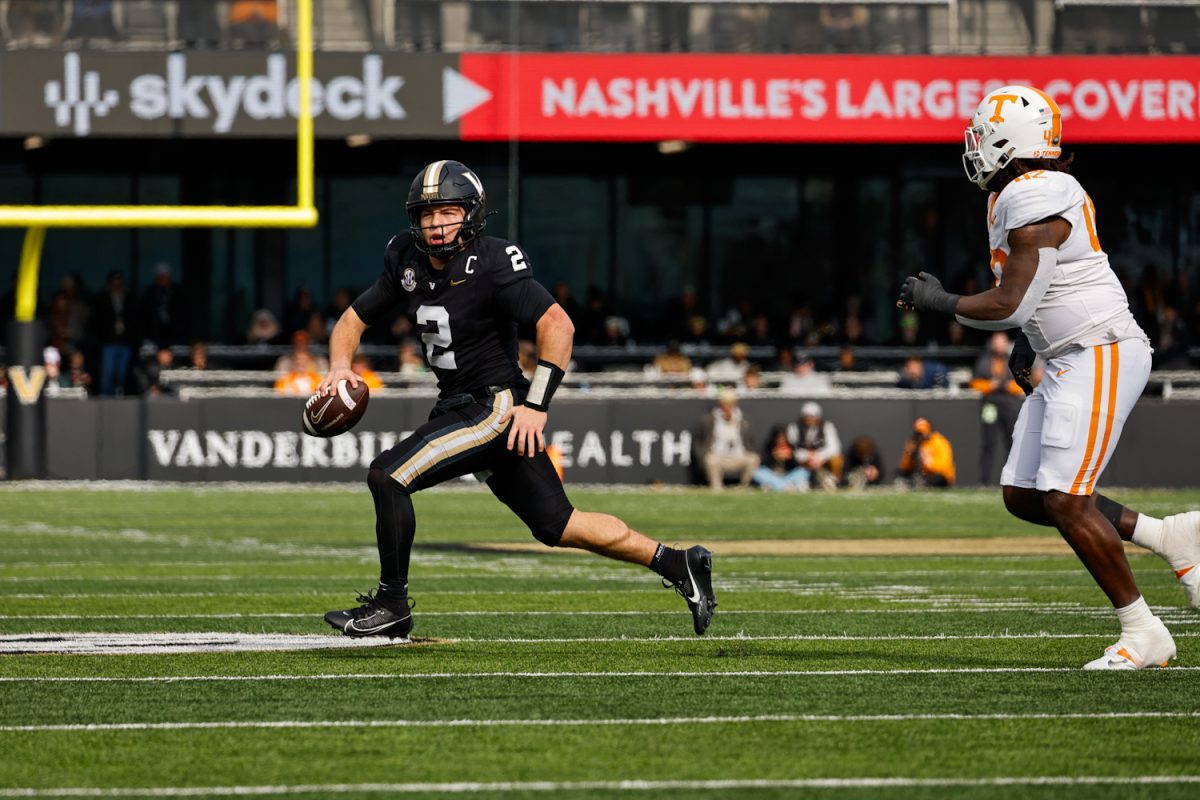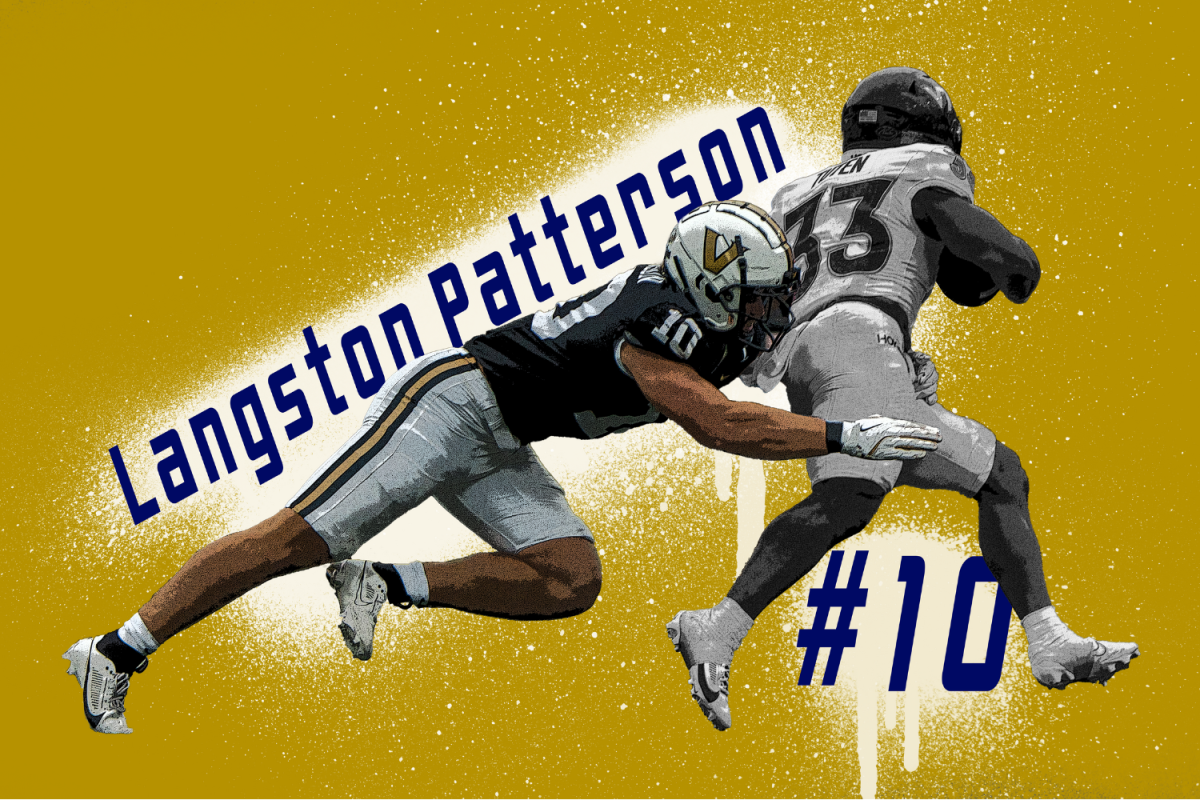


Vanderbilt Football players Langston Patterson and Yilanan “Issa” Ouattara filed a class action lawsuit today against the NCAA along with eight other current and former college athletes, including former Vanderbilt football players CJ Taylor and Quincy Skinner Jr.
The lawsuit challenges the NCAA’s current “redshirt rule,” which allows Division I players to compete in up to four seasons of competition over the span of five years. The lawsuit is an attempt to pave the way for players to play in all five years of eligibility.
In their redshirt year, football players can compete in up to four regular season games as well as postseason games, which do not count toward the four-game limit. Redshirt athletes in other sports are not allowed to compete at all during their redshirt season.
In July, the NCAA Division II Management Council recommended that the Division II Executive board sponsor a proposal that would permit Division II athletes to compete for all five years of eligibility, but this does not apply to Division I schools like Vanderbilt.
Patterson, Ouattara and the other plaintiffs argue that the NCAA violates antitrust laws by limiting an athlete’s ability to earn NIL (Name, Image and Likeness) money during the redshirt season.
Ryan Downton (B.S. ‘99, MBA ‘99) is the athletes’ co-lead counsel.
“We are not challenging the NCAA’s rule limiting players to five years of eligibility to play college sports or the concept of a defined eligibility period generally,” Downton said in the complaint. “But the NCAA has no basis to prohibit a player who is working just as hard as all of his teammates in practice, in the weight room and in the classroom, from stepping on the field (or court) to compete against another school in one of those seasons.”
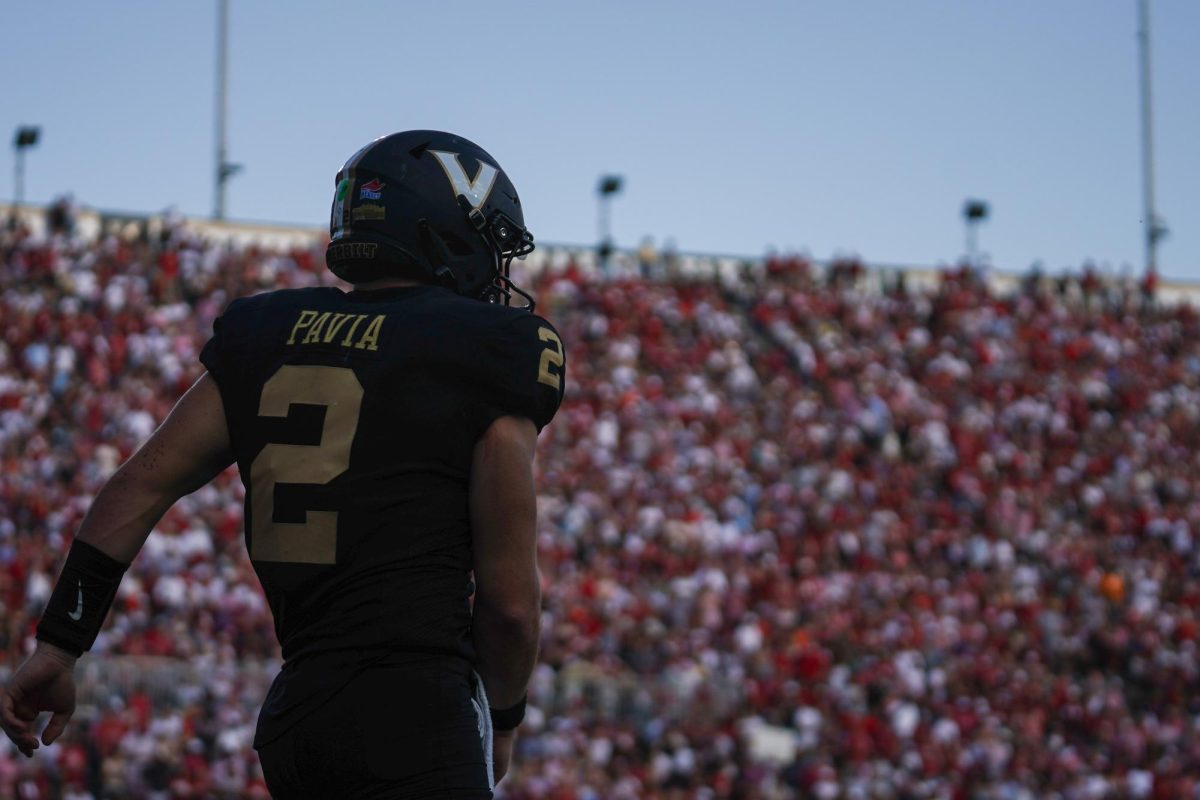
This is not Vanderbilt’s first eligibility lawsuit, as Quarterback Diego Pavia filed a lawsuit against the NCAA last November, arguing that the NCAA violated Section 1 of the Sherman Act, a federal antitrust law, by equating a year in junior college to a year at an NCAA school, which precluded athletes who transfer from junior colleges to Division I schools from the same “meaningful opportunities” for NIL compensation. Pavia was granted a preliminary injunction in December, allowing him to pursue another year of eligibility for the 2025 season. Downton also represented Pavia in his suit.
This piece will be updated as more information becomes available.