


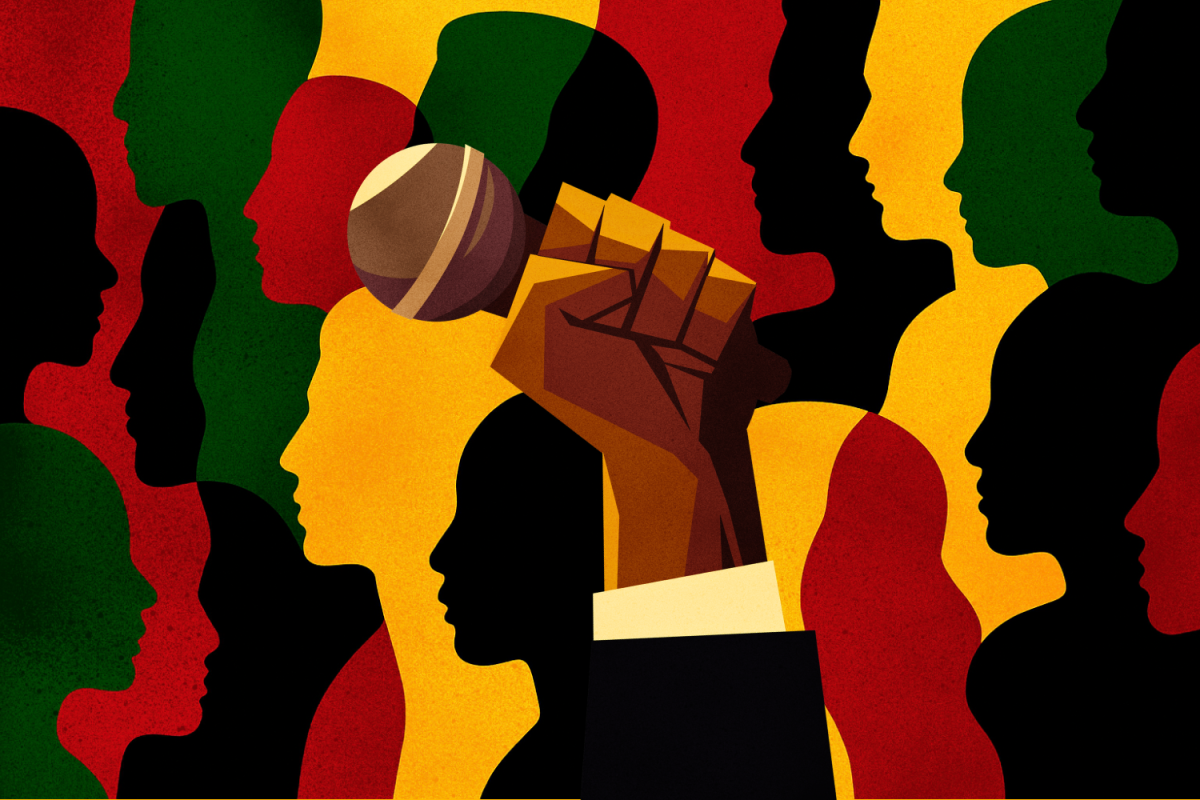
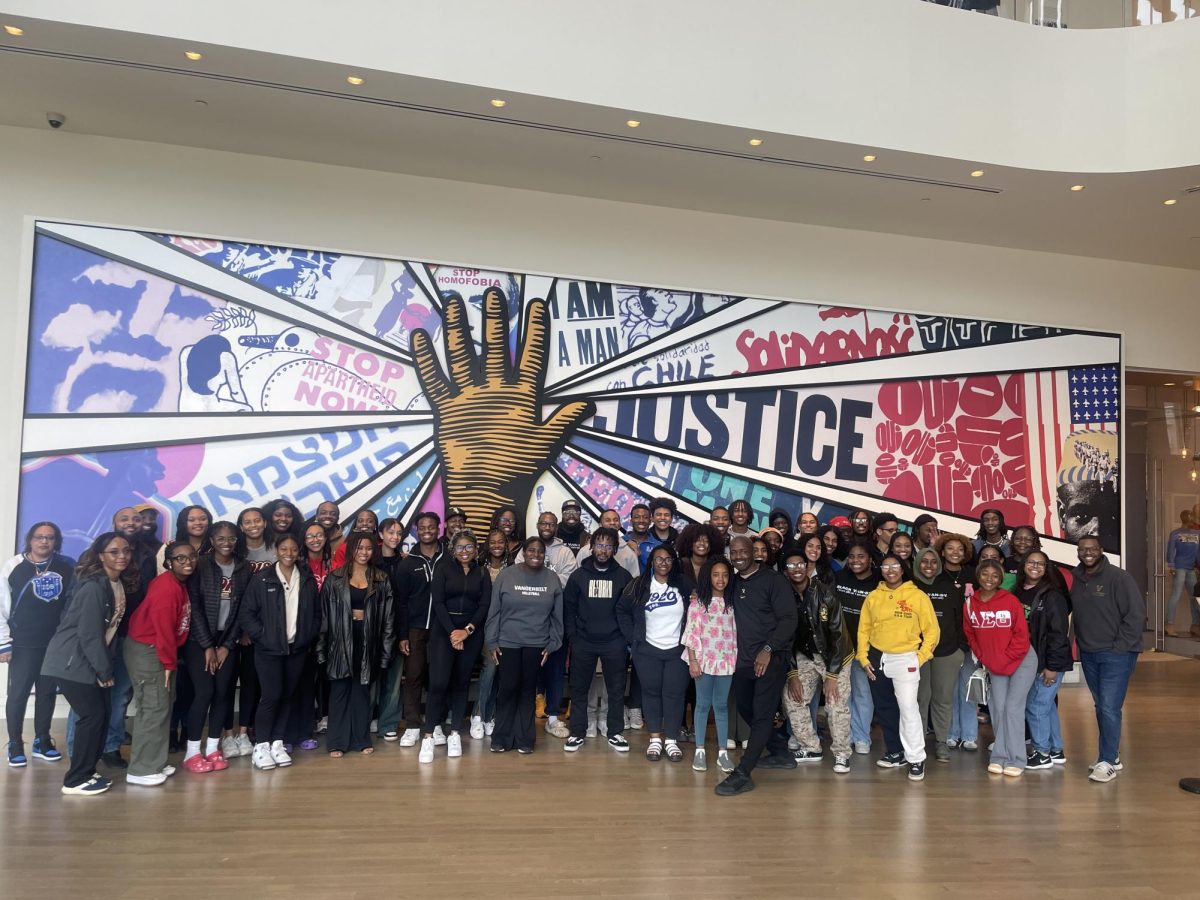
Vanderbilt celebrated Black History Month throughout February, with various events from the Black Cultural Center, the Center for Latin American, Caribbean and Latinx Studies and the Margaret Cuninggim Women’s Center, among other organizations. The events included speaker symposia, dances and conversations between students and Black activists.
Here’s a close look at three of those events.
“From Pioneers to Progress: Lessons from Black Legal Trailblazers” panel discussion
The Black Law Students Association hosted the lecture “From Pioneers to Progress: Lessons from Black Legal Trailblazers” Feb. 18 in Flynn Auditorium at Vanderbilt Law School. The event celebrated the 70th anniversary of the desegregation of VLS and featured a panel discussion with distinguished alumni and judge Waverly D. Crenshaw (J.D. ’81, B.A. ’78) and Al Dotson Jr. (J.D. ’87).
The discussion focused on their journeys from students to prominent figures in the legal profession, examining the inequity that pervaded the past and looking ahead to the future. Crenshaw and Dotson said the discussion was especially relevant given the recent decline of African American student enrollment at Vanderbilt.
During the discussion, the panelists also celebrated Frederick Taylor Work (J.D. ’59), Edwin Melvin Porter (J.D. ’59) and Janie Greenwood Harris (J.D. ’64), the first Black students admitted to Vanderbilt Law School, and paid tribute to the late Robert Belton, the first Black tenured professor at the law school.
Second-year law student Jennifer Ngo emphasized the importance of the event and the perspective it offers on the timeline of civil rights.
“Events like this raise a lot of awareness about things that are important here,” Ngo said. “Just walking through the hallways and being able to see events like this, to join them and learn about Black history, is so meaningful. From this event, specifically, I want people to take away that 70 years was not that long ago, and that shapes a lot of what Black students go through today across the country and in the South specifically.”
Alexis Shaw, BLSA’s Black History Month chair, said she hopes students come out of the event recognizing the progress of the past and what must be done in the future.
“This event was an opportunity not only to reflect on institutional progress but also to consider the responsibility and courage that progress requires,” Shaw said. “Advancement within the legal profession has never been automatic; it has always required individuals willing to lead, to endure and to expand access for those who followed. My hope is that students leave this month recognizing both how far the institution has come and how much work still remains. More importantly, I hope we all aim to be agents of change, using our platforms, influence and positions to create meaningful opportunities and advance equity.”
“Yams and Free Black Society in the Gulf of Guinea” lecture
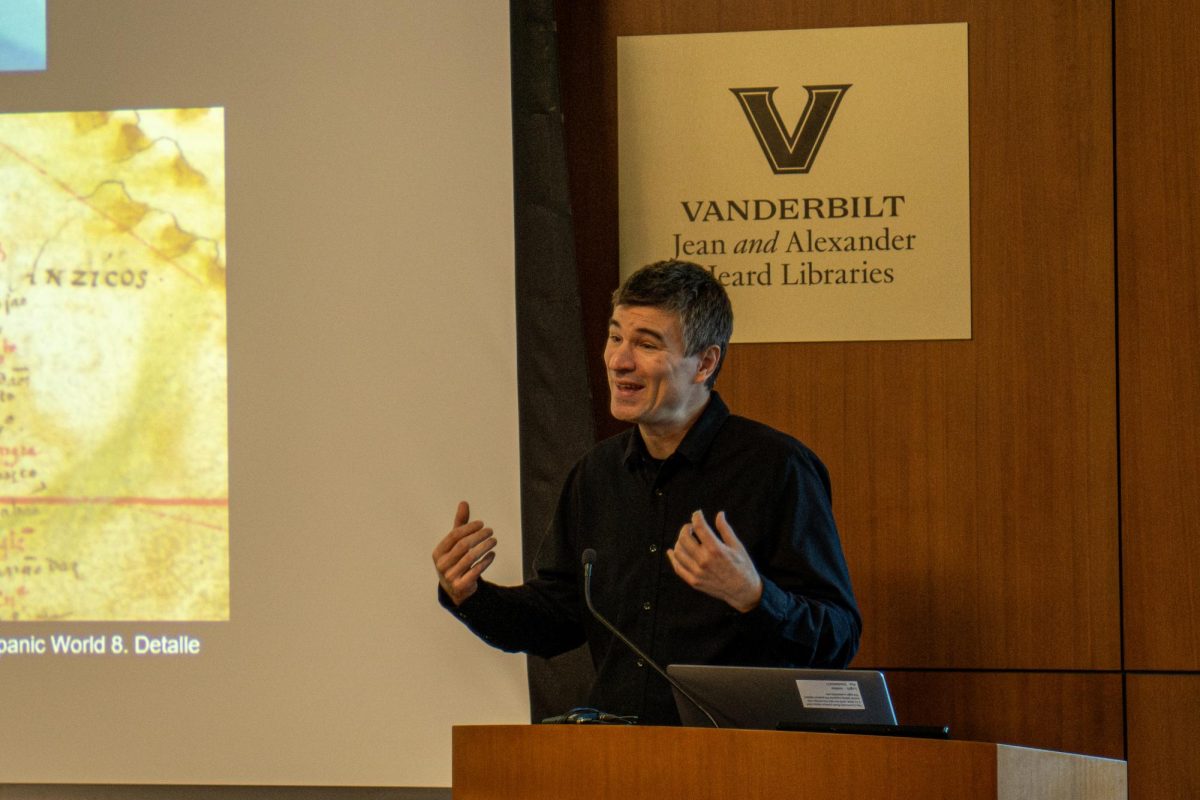
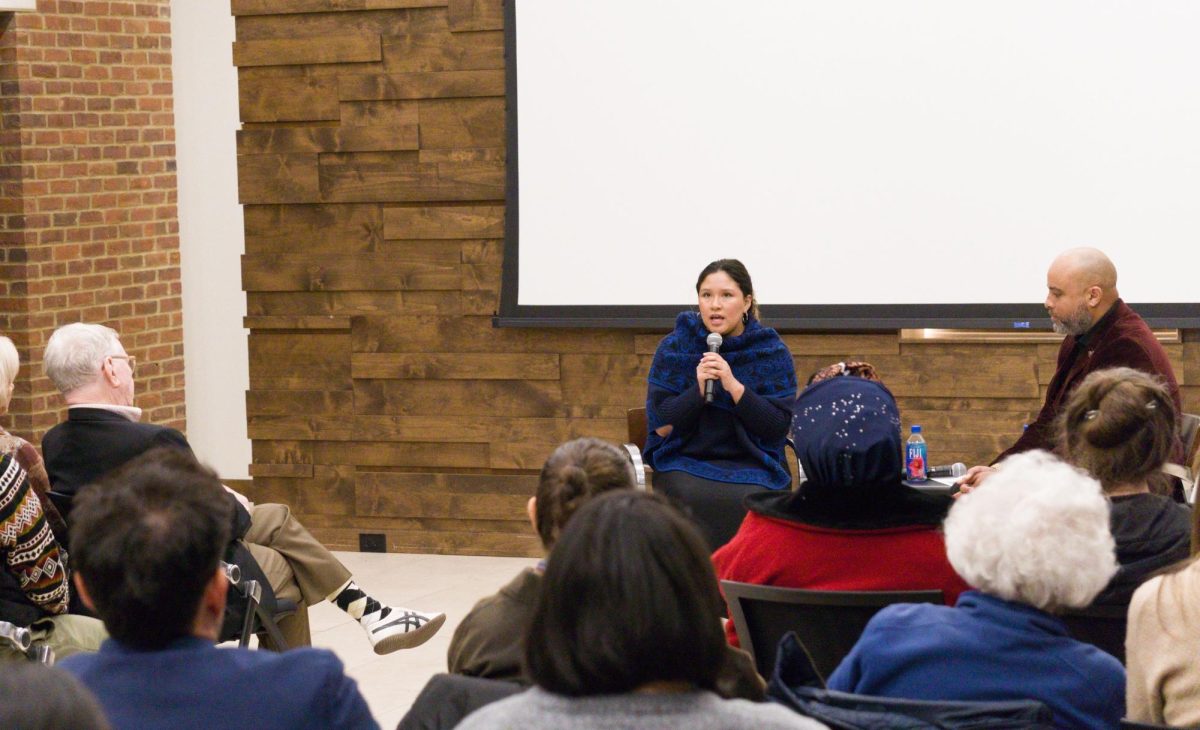
CLACX, alongside multiple major departments, Vanderbilt University Libraries and the Robert Penn Warren Center for the Humanities, hosted David Wheat (Ph.D. ’09), for a talk on “Yams and Free Black Society in the Gulf of Guinea” Feb. 26 in Central Library. Throughout the lecture, Wheat discussed his experience visiting the island of São Tomé, which resides off the coast of Africa and how the Atlantic plantation system largely originated there.
Wheat specifically broke down his research on the Santa Maria de Begoña voyage to São Tomé, describing how it was one of the first instances of slave transportation and trading to the Americas in the 1520s. He then discussed how the local African community sold yams to slave traders to feed the enslaved people, aiding the startup of a class of free Black Africans on the island as they replaced sugar-growing lands with an economic activity that formerly enslaved people could participate in: yam growing.
“We have all this information about these slaving voyages, and there has been a lot of debate over why we study this, and who studies this and what it is being used for,” Wheat said. “In addition to transporting all of these enslaved Africans, we could also argue that, maybe, these enslaving voyages paradoxically might have indirectly helped or contributed to the consolidation of the free Black society in São Tomé.”
Prior to the event, Wheat shared that he was very pleased when Jane Landers, a history professor and the organizer for the event, reached out asking him to come speak on his research.
“I was a Ph.D. student here a long time ago,” Wheat said. “It was a really nice opportunity to come back down a number of years later and to share some of my new research and get feedback from people here. Maybe I didn’t appreciate it enough when I was here doing my graduate studies, but there’s a really fantastic concentration of resources and people here — people who are here really top experts in their fields and who I’ve learned so much from.”
“After Dark with @TheRealHotGirlDoc” panel discussion
Hosted jointly by multiple organizations, including the Margaret Cuninggim Women’s Center and the Black Cultural Center, “After Dark with @TheRealHotGirlDoc” took place in the Multicultural Community Space Feb. 27 and featured a panel with Dr. Clarissa Francis, author and founder of the Hot Girl Movement. The discussion centered on sexual liberation, particularly for women of color; Dr. Francis herself described the Hot Girl Movement as the “pursuit of bodily autonomy, sexual freedom and pleasure.”
Dr. Francis explained that she founded the Hot Girl Movement to create a healing space for women of color who have historically been oppressed.
“I’m being who I needed when I was younger,” Dr. Francis said. “I needed more information; I needed support. I got into this work originally interested in HIV awareness, and I wanted to incorporate the work that I was doing with sexual health to create spaces and offer information around pleasure and healing for Black women and other marginalized communities. We can create our own entities, organizations and spaces for healing.”
Senior Anna Njie, a panelist for the event, discussed the stigma around sexuality, especially for women of color, and the importance of the event’s topic.
“It isn’t intuitive to talk about sexual identity or sexual health. It feels a little bit personal, but especially for women and women of color, it’s something that’s seen as taboo,” Njie said. “So, I think it’s really important that they’re having conversations like these in a non-shameful, non-stigmatized way, especially as things like Planned Parenthood and contraceptives and anything of that nature get more and more stigmatized.”
Dr. Francis additionally offered advice that she would give not only to women of color but individuals of all backgrounds.
“Find your people and lean in on one another as you’re on this journey together,” Dr. Francis said. “Do fun stuff together; you have to remember to have fun, and find people you can do that with. Create spaces for healing, collaborate and lean on intergenerational wisdom.”



Isabelle • Mar 4, 2026 at 10:04 pm CST
Just a little feedback — you had 3 entire events and mentioned at least 6 black people in the text, but the photo linked to this article is of a white man. For a black history month spotlight, that choice screams tone deaf.