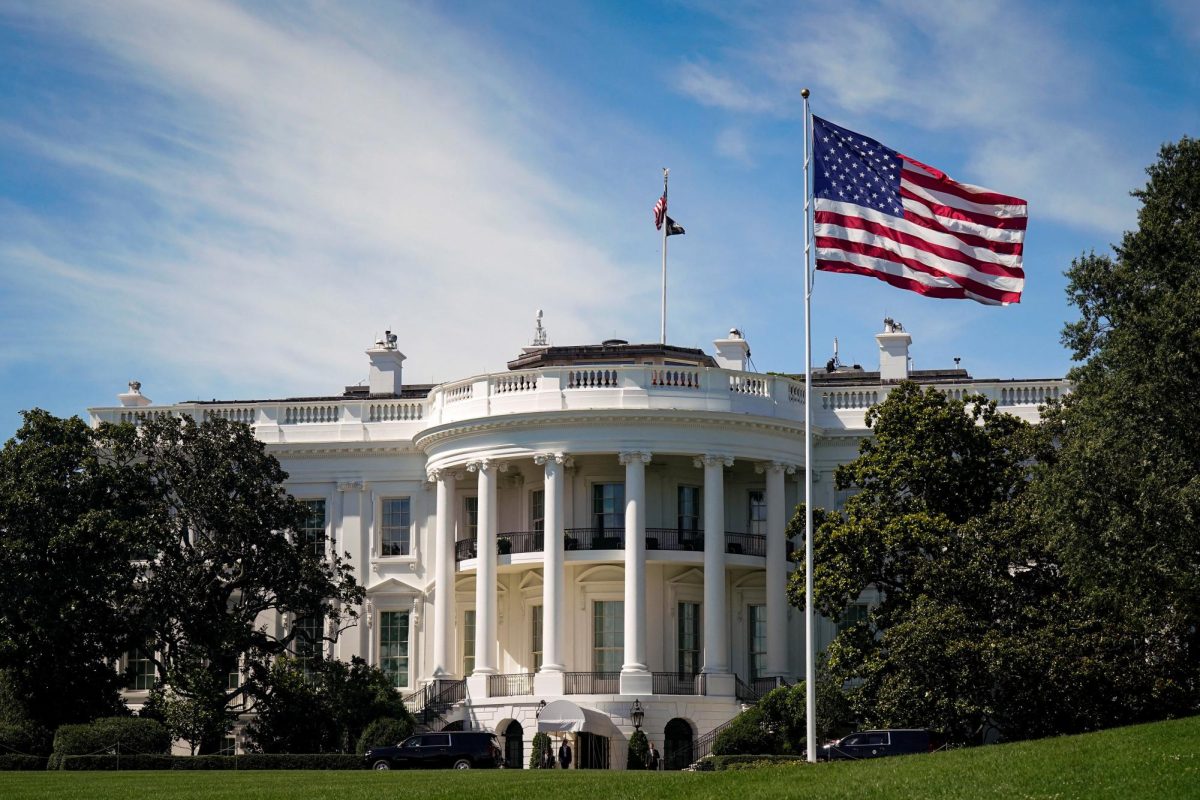


The Trump administration filed an emergency appeal to the Massachusetts Court of Appeals on Nov. 7 asking the court to freeze full Supplemental Nutrition Assistance Program benefit payments temporarily, citing unconstitutional federal money allocation. The Trump administration announced on Nov. 3 that only half of payments usually allocated for SNAP would be approved in November for eligible households.
The federal government shutdown, which began on Oct. 1, led to a temporary pause of SNAP benefits for families due to a lack of federal funding. As of October 2025, over 690,000 Tennessee residents were recipients of SNAP benefits, monthly stipends that allow them to purchase grocery food items and other household necessities.
Supreme Court Justice Ketanji Brown Jackson, who supervises emergency appeal requests in Massachusetts, upheld the appeal. The Supreme Court granted the Trump administration’s request, allowing the federal government to withhold the approximate $4 billion worth of funds necessary to fully fund SNAP payments for the month.
The federal government was set to release $4.56 billion from the emergency contingency fund — a reserve made by the federal government to allocate funds for emergencies — for SNAP benefits. Roughly $8 billion is usually allocated each month to cover SNAP payments.
Dick Brown, senior director of corporate engagement at Second Harvest Food Bank of Middle Tennessee, said that without SNAP benefits, many families throughout Tennessee will struggle to find resources.
“November SNAP benefits will not be distributed, leaving 246,000 of our neighbors across Middle and West Tennessee without the resources and food access that are vital for supporting their families,” Brown said. “This equates to 14.5 million meals. In our 46 County service area alone, $52 million per month in SNAP spending will be lost.”
Brown said that Second Harvest’s resources are in high demand and that the organization is being stretched to its limits as it tries to support as many people as possible.
“Second Harvest Food Bank of Middle Tennessee and our network of more than 600 partners are stretching to our limits in order to serve the massive influx of neighbors needing food,” Brown said. “We are also providing more food to our rural counties that have a high percentage of people on SNAP.”
Sophomore Linda Lin said she is concerned that the government is not prioritizing the availability of food for everyone.
“I think the fact that access to food is put on such a back burner is really concerning,” Lin said. “The government can, and has, funded SNAP in the past, so the fact that they’re [not] prioritizing such an essential basic human need is alarming. This is one of the most disruptive instances in SNAP funding in recent history.”
Sophomore Brianna Dahle, who is on the pre-medical track, said she is worried about how decreased SNAP benefits will impact families, especially those with young children, because of how vital nutrition is for their development.
“As a premedical student, I am most concerned for these children. Because they are at a critical developmental period, even being left without nutrition for a month could cause major health impacts down the line,” Dahle said. “I understand that the reason SNAP was frozen was economic, however, the physical and cognitive decline these children will likely experience later in life will end up costing our country more.”
In an interview with The Hustler, Political Science Professor Cindy D. Kam encouraged students to partner and volunteer with food banks across the greater Nashville community to help more families receive food and to get politically involved.
“In the short-term, organized food drives can be helpful. Volunteering and partnering with organizations to collect, sort and distribute food is helpful,” Kam said. “Individuals can also contact their elected officials to express their views, can sign petitions and can join protests to express solidarity with others who share their views.”
Kam said that she hopes the current uncertainty surrounding SNAP benefits can provide an opportunity for community members to reflect on potential solutions to eradicate food insecurity.
“In the long-term, this can provide a moment to reflect on the precariousness of our system of food security,” Kam said. “What are the big picture, systematic explanations for why people experience food insecurity, what systemic changes are needed and what role can Vanderbilt graduates play in leading change?”